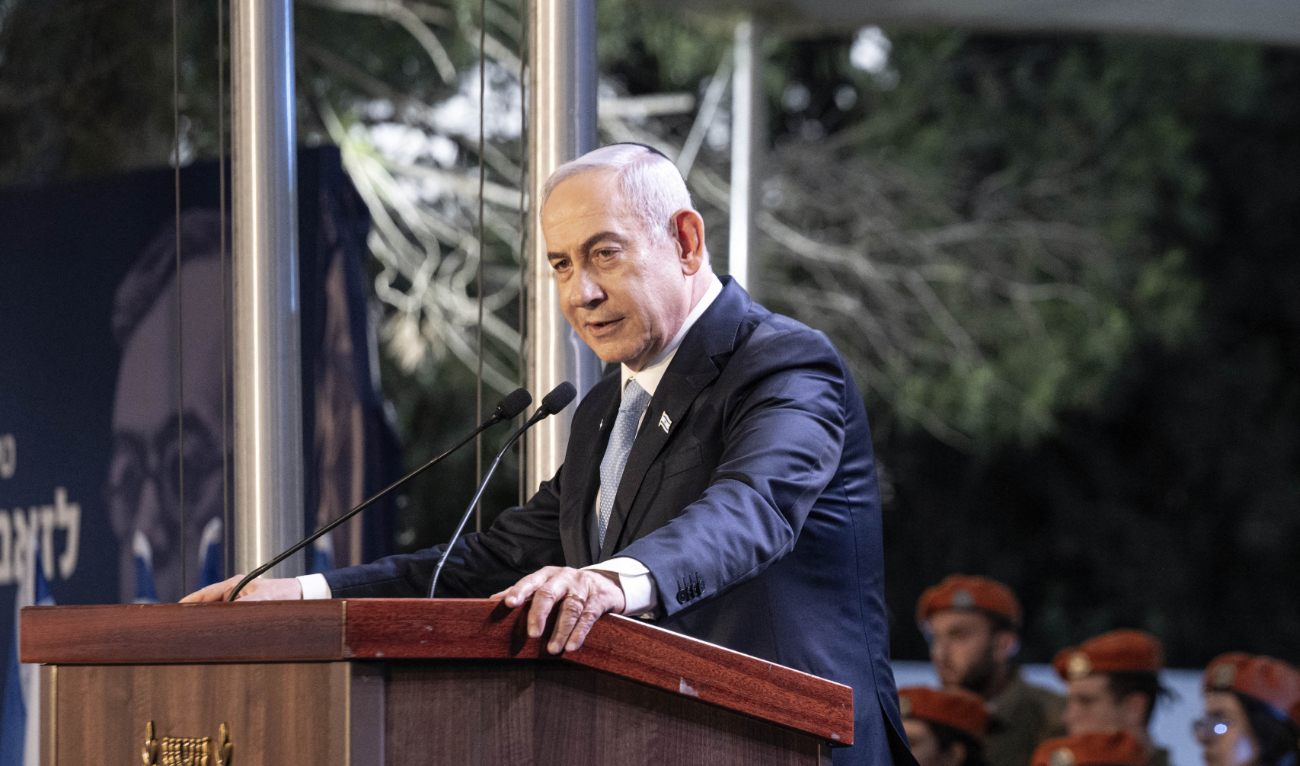
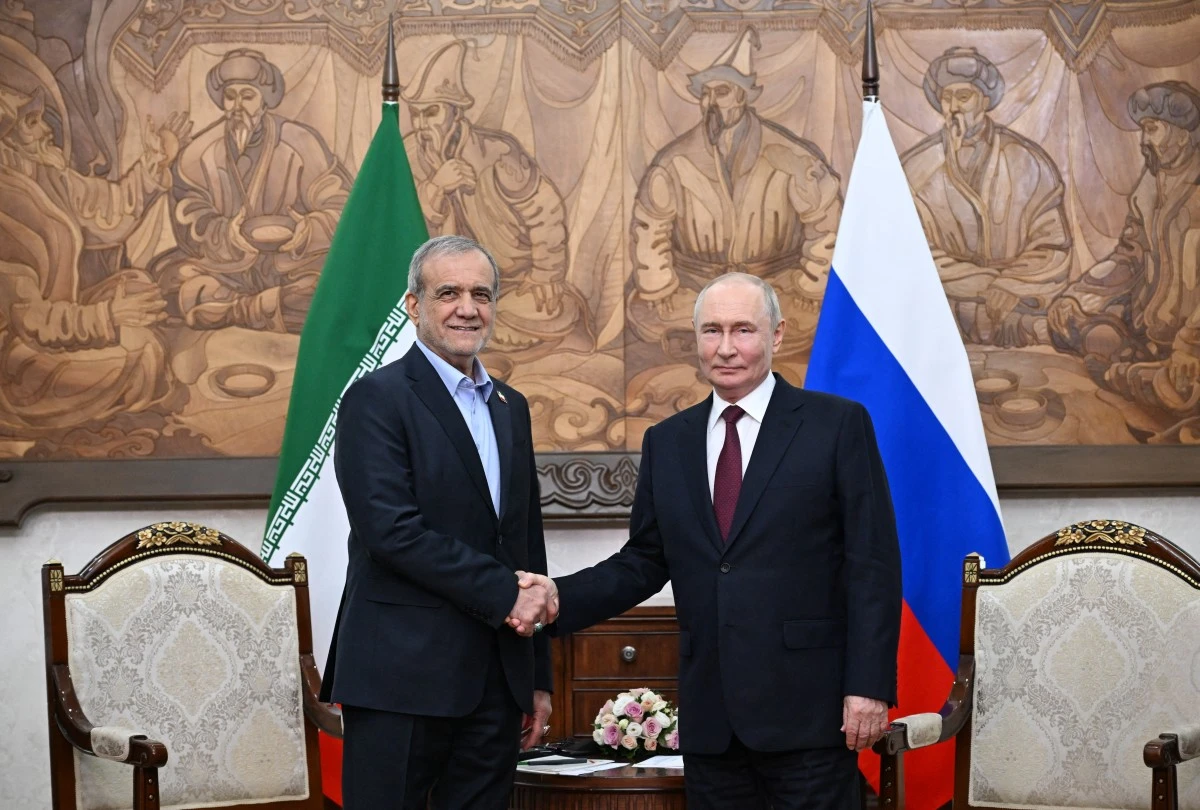
GAZA STRIP, Palestinian Territories, Aug 8, 2024 Agence France Presse: Israel has agreed to resume Gaza ceasefire talks on August 15 at the demand of US, Qatari and Egyptian mediators, Prime Minister Benjamin Netanyahu’s office said on Thursday, as regional tensions skyrocket over the war.
Gaza’s Hamas-controlled civil defense agency said Israeli bombardment killed more than 18 people in strikes on two schools on Thursday, as Iran accused Israel of wanting to spread war in the Middle East.
After a week-long pause in November, US, Qatari and Egyptian mediators have endeavoured to secure a second truce in the 10-month-old war sparked by Hamas’s unprecedented October 7 attack on Israel.
In a joint statement on Thursday, the three countries’ leaders invited the warring parties to resume talks on August 15 in Doha or Cairo “to close all remaining gaps and commence implementation of the deal without further delay.”
A framework agreement was “now on the table, with only the details of implementation” left to conclude, and the mediators were “prepared to present a final bridging proposal” to resolve remaining issues, they said.
Netanyahu’s office said later Thursday Israel would send a negotiating team on August 15 “to the agreed place to conclude the details of implementing a deal.”
A prospective cessation of hostilities also involving the release of hostages held in Gaza and scaled-up aid deliveries has centered around a phased deal beginning with an initial truce.
Recent discussions have focused on a framework outlined by US President Joe Biden in late May which he said had been proposed by Israel.
“It’s not like the agreement’s going to be ready to sign on Thursday. There’s still a significant amount of work to do,” a senior Biden administration official said of the talks that come after calls between Biden and the Egyptian and Qatari leaders this week.
Israel had been “very receptive” to the idea of the talks, the official told reporters on condition of anonymity, rejecting suggestions that Netanyahu was stalling on a deal.
The announcement of the talks came after Hamas named Yahya Sinwar — the alleged mastermind of the October 7 attack — as its new leader, sparking fears the torturous negotiations have become even more difficult.
On the ground in Gaza, the Hamas-controlled civil defense agency said Israeli strikes hit Al-Zahra and Abdel Fattah Hamoud schools in Gaza City, killing more than 18 people.
Senior agency official Mohammad Al-Mughayyir said 60 people were wounded and more than 40 still missing.
“This is a clear targeting of schools and safe civilian facilities in the Gaza Strip,” he said.
The Israeli military said the schools housed Hamas command centers.
At least 13 people were killed elsewhere in Gaza, rescuers and medics reported, as the Israeli military issued its latest evacuation order, for parts of the main southern city of Khan Yunis.
Diplomats pressed efforts to defuse tensions in the region, sky-high after the killing of two top militant leaders in attacks blamed on Israel that the militants and their Iranian backers have vowed to avenge.
Iran’s acting foreign minister, Ali Bagheri, told AFP that Israel had committed “a strategic mistake” by killing Hamas’s political leader Ismail Haniyeh in Tehran last week — hours after the assassination in Beirut of Hezbollah’s military chief.
Although Israel has not admitted to killing Haniyeh, Iran and its allies have vowed to retaliate.
Israel seeks “to expand tension, war and conflict to other countries,” but has neither “the capacity nor the strength” to fight Iran, Bagheri said.
Netanyahu, speaking at a military base on Wednesday, said Israel was “prepared both defensively and offensively” and “determined” to defend itself.
Officials in the Middle East and beyond have called for calm, with Britain’s minister for international development, Anneliese Dodds, telling AFP on a visit to Jordan: “We must see a de-escalation.”
The United States, which has sent extra warships and jets to the region, has urged both Iran and Israel to avoid an escalation.
France’s President Emmanuel Macron spoke Wednesday with his Iranian counterpart Masoud Pezeshkian and later with Israel’s Netanyahu, telling both to “avoid a cycle of reprisals,” according to the French presidency.
The Israel-Hamas war in the Gaza Strip has already drawn in Tehran-aligned militants in Syria, Lebanon, Iraq and Yemen.
Lebanese Hamas ally Hezbollah, which has traded near-daily cross-border fire with Israeli troops throughout the Gaza war, has vowed retaliation for military chief Fuad Shukr’s killing.
The unprecedented Hamas attack that triggered the war in Gaza resulted in the deaths of 1,198 people, mostly civilians, according to an AFP tally based on Israeli official figures.
Palestinian militants seized 251 hostages, 111 of whom are still held in Gaza, including 39 the Israeli military says are dead.
Israel’s retaliatory military campaign in Gaza has killed at least 39,699 people, according to the Hamas-run territory’s health ministry, which does not give details of civilian and militant deaths.
Netanyahu, who has resisted making an apology for security failures over Israel’s worst-ever attack, said in an interview published Thursday that he was “sorry, deeply, that something like this happened.”
“You always look back and you say, ‘Could we have done things that would have prevented it?’” Netanyahu told Time magazine.
Israel agrees to resume Gaza truce talks next week