- Unrated, privately placed sukuk is first tranche in planned series to fund Shariah-compliant consumer financing
- Pakistan’s Islamic banking assets grew 30.7 percent to Rs14.47 trillion by end-2025, central bank data shows
KARACHI: Pakistani buy-now-pay-later fintech QistBazaar has raised Rs500 million ($1.8 million) through what it described on Tuesday as the country’s first unrated, privately placed sukuk of its kind, tapping Islamic capital markets to expand Shariah-compliant consumer financing.
A sukuk is an Islamic financial instrument structured to comply with Shariah principles, including the prohibition on interest. QistBazaar said the privately placed issuance was the first tranche of a planned series aimed at building a recurring source of institutional funding and reducing reliance on traditional bank financing.
The transaction comes as Islamic finance expands rapidly in Pakistan, where the government and regulators are moving toward a broader interest-free financial system. Islamic banking assets rose 30.7 percent year-on-year to Rs14.47 trillion ($51.9 billion) at the end of 2025, accounting for 22.9 percent of total banking assets, while Islamic deposits represented 27.8 percent of all banking deposits, according to State Bank of Pakistan data.
The financing also comes amid efforts to widen access to formal financial services in Pakistan, particularly for consumers and businesses underserved by conventional lenders. The State Bank’s National Financial Inclusion Strategy aims to increase the proportion of adults with bank accounts to 75 percent by 2028, from 64 percent when the strategy was formulated.
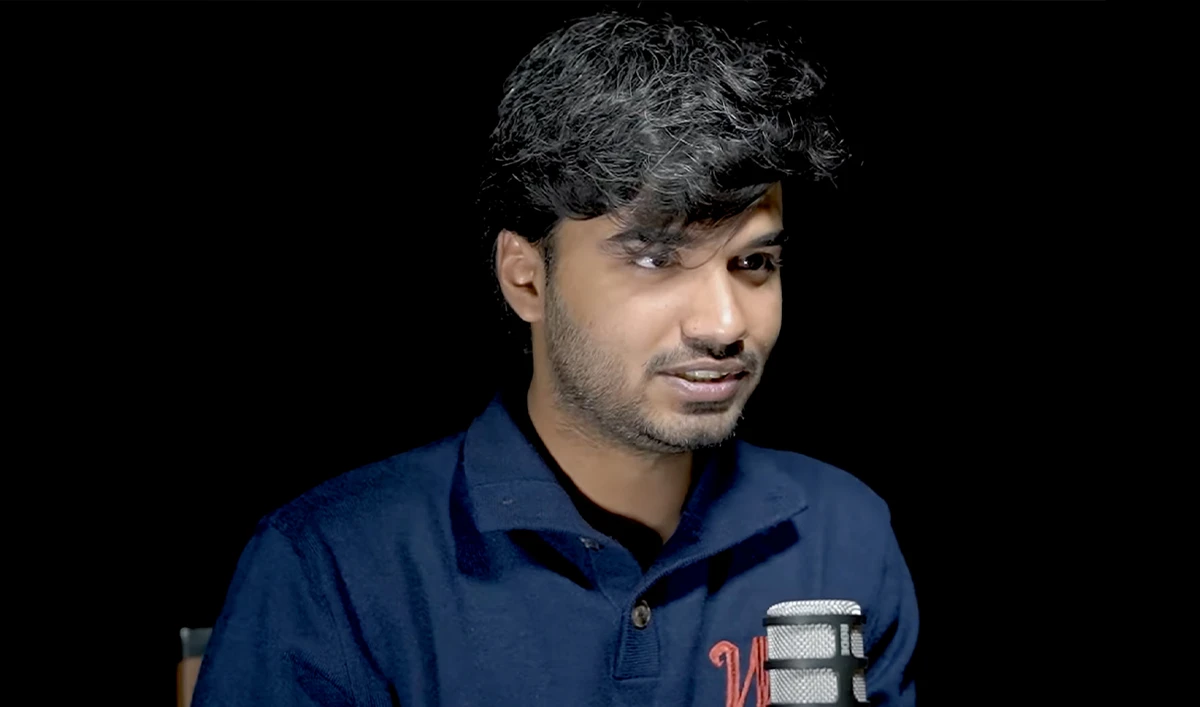
“This Sukuk represents much more than a new source of capital for QistBazaar,” co-founder Arif Lakhani said in a statement. “The confidence shown by corporate and high-net-worth investors validates the business we have built and the opportunity that lies ahead.”
“Our focus has always been on making essential products more accessible through affordable, Shariah-compliant installment solutions,” he added. “This funding gives us greater capacity to serve more customers, expand our reach and bring more Pakistanis into the formal financial system.”
The sukuk was subscribed by Alfalah Shariah Private Financing Fund-I, managed by Alfalah Asset Management Company, while Dada Partners acted as exclusive financial adviser and led the capital raise, according to QistBazaar.
Al Hamd Shariah Advisory Services certified the structure for Shariah compliance, Pak Brunei Investment Company served as investment agent and Akhund Forbes was legal counsel.
QistBazaar said proceeds would be used to expand its Shariah-compliant consumer installment portfolio, increase financing originations and grow its merchant network, product categories and geographic footprint.
The company provides buy-now-pay-later financing for household and technology products, targeting customers who may have difficulty accessing conventional financing. It was founded in 2021 by Lakhani and Karim Gilani and is licensed by the Securities and Exchange Commission of Pakistan as a non-bank financial company.
The fintech previously raised $3.2 million in a Series A equity round in 2024 led by Indus Valley Capital, with participation from Gobi Partners. Bank Alfalah had earlier backed the company in its seed round. At the time of the Series A, QistBazaar said it had disbursed more than 55,000 product-based loans worth around $12 million in its first three years.
The latest transaction marks a shift from raising equity from venture capital and banking investors toward accessing institutional debt capital through Islamic financial instruments.
QistBazaar said the sukuk would increase its capacity to provide installment financing against non-payment risks while helping it expand to more consumers and markets. The company currently says it operates more than 100 branches across 18 Pakistani cities and employs around 800 people.
QistBazaar said the Rs500 million issuance was intended to establish a repeatable channel for raising Shariah-compliant institutional capital as its financing portfolio expands. The company also said it planned to eventually seek a listing on the Pakistan Stock Exchange, though it did not provide a timetable.
Pakistan’s Islamic banking industry has grown faster than its conventional counterpart in recent years. Islamic banking institutions recorded 40 percent growth in net financing during 2025, while their branch network expanded by 1,545 outlets to 7,562 branches across 146 districts, according to the central bank.
The expansion comes as Pakistan moves toward eliminating interest, or riba, from its financial system. The Federal Shariat Court in 2022 ordered the government to work toward an interest-free economy, while a constitutional amendment passed in 2024 set the end of 2027 as the deadline for eliminating riba.