



RIYADH: Credit facilities provided to micro, small, and medium enterprises in Saudi Arabia saw an annual rise of 16 percent in the first three months of 2024, according to recent data.
Figures from the Kingdom’s central bank, known as SAMA, indicated that borrowing lines allocated to this sector totaled SR293.43 billion ($78.25 billion), up from SR252.02 billion in the first quarter of 2023.
According to SAMA data, Saudi banks extended 94 percent of these credit facilities, with the remaining 6 percent granted by finance companies.
Medium enterprises received the majority share of the sector’s total granted facilities at 55 percent, amounting to SR160.6 billion, with the most notable annual growth observed in small companies, which saw 32 percent increase to reach SR103.5 billion.
Credit extended to micro enterprises, constituting 10 percent of the overall share of MSME financing, increased by 30 percent during this period, reaching a total of SR29.4 billion.
Micro enterprises are characterized by revenues up to SR3 million and a workforce of no more than five full-time employees.
Small enterprises, on the other hand, exhibit earnings ranging from SR3 million to SR40 million, accompanied by up to 49 full-time workers.
In contrast, medium enterprises have revenues falling within the range of SR40 million to SR200 million, with employee numbers ranging from 50 to 249.
Saudi Arabia is heavily investing in its SMEs to diversify its economy away from oil and foster a competitive funding environment.
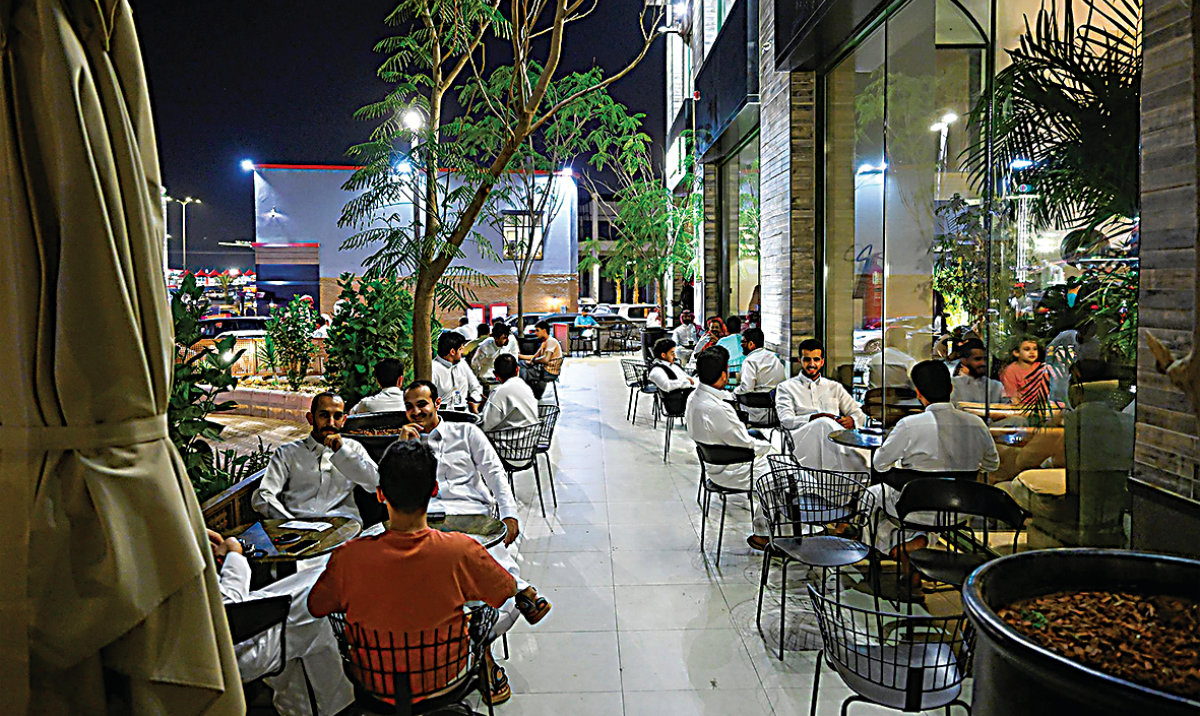
Saudi Arabia is heavily investing in SMEs to diversify its economy away from oil and foster a competitive funding environment. (SPA)
Reforms have significantly simplified business investment and startup processes, boosting this sector’s share of GDP from 21 percent in 2013 with a Vision 2030 goal of reaching 35 percent.
The government is urging financial institutions to allocate 20 percent of their loan portfolios to this sector, demonstrating strong and ongoing support for these enterprises.
Currently, advances to MSMEs account for 8.6 percent of total credit from Saudi banks in what is an annual rise of 8.3 percent. Additionally, they represent 20 percent of advances from finance companies, a slight decrease from 22 percent.
Monsha’at key figures
In the first quarter of 2024, the Small and Medium Enterprises General Authority, also known as Monsha’at, reported that 9,644 SMEs benefited from dedicated support centers, 15,766 trainees used the e-Academy, and 1,558 accessed the Mazaya platform.
Some 719 also qualified for the Jadeer service, and 555 utilized the Commercial Innovation Portal.
Additionally, 463 SMEs joined the Tomoh program, facilitating Nomu market offerings.
The report highlighted that despite a regional dip in total Venture Capital funding this quarter, Saudi Arabia led MENA in capital deployed, securing 35 deals worth $240 million, according to Magnitt’s Q1 2024 KSA Venture Investment Report.
The Kingdom’s startup scene showed remarkable progress, highlighted by Salla app’s $130 million pre-initial public offering fundraiser, which was the region’s sole mega deal.
In this quarter, 65 percent of capital deployed in MENA went to Saudi-based firms. This investment, though significant, reflected a 70 percent quarterly drop from the fourth quarter of 2023 and a 42 percent year-on-year decline, mirroring broader regional trends.
Philip Bahoshy, founder and CEO of MAGNiTT, highlighted that despite Saudi Arabia maintaining its position as the leading investment destination in MENA, there is a noticeable downturn.
FASTFACT
Medium enterprises received the majority share of the sector’s total granted facilities at 55 percent, amounting to SR160.6 billion, with the most notable annual growth observed in small companies, which saw 32 percent increase to reach SR103.5 billion.
Notably, $33 million was allocated to six early-stage venture and Series A deals. In a comment in Monsha’at’s report, Bahoshy observed that despite the funding downturn, deal flow in Saudi Arabia experienced only a modest 13 percent decrease compared to the same quarter of 2023.
This suggests that the Kingdom’s entrepreneurial ecosystem remains attractive to investors. The smaller average ticket sizes reflect a recalibration rather than a retreat in investor sentiment.
Key enablers
The Kafalah Program is one of the many government initiatives designed to support this sector by mitigating risk through guarantees that can cover up to 95 percent of the loan amount.
Additionally, Monsha’at, a key enabler to Saudi Arabia’s ambitious Vision 2030, plays a pivotal role in the SME ecosystem by enhancing access to finance, promoting entrepreneurship, and providing crucial support for business development.
The authority enhances funding to this sector through partnerships with financial institutions and initiatives like the Kafalah Program, which increases lending. It prioritizes up-skilling SMEs via training programs and advocates for regulatory reforms to improve the business environment.
The institution also promotes market expansion by linking SMEs to opportunities and encouraging collaboration through networking events and trade platforms. Additionally, it cultivates an entrepreneurial culture with mentorship and advisory services, aiming to bolster the capacity and resilience of Saudi SMEs.
Global trends boosting SME growth
In the first quarter of 2024, Monsha’at highlighted how new technologies are empowering Saudi SMEs to scale, expand their market presence, and compete effectively against larger firms.
The Kingdom’s rapid advancements in IT and digitalization are particularly beneficial, fostering trends such as hybrid work models that enhance flexibility and resilience.
Furthermore, a significant number of SMEs are embracing e-commerce to drive growth, with 75 percent planning to adopt online shopping globally, as reported by the World Economic Forum’s Future of Jobs study.
Saudi SMEs are strategically positioned to capitalize on international opportunities across several sectors due to the Kingdom’s expanding global influence. In renewables, they can leverage local expertise in solar and wind energy before venturing abroad.
The logistics sector also presents opportunities as Saudi Arabia aims to establish itself as a global hub. Leveraging the Kingdom’s rich fashion heritage, SMEs can explore growth prospects in the fashion industry, the report stated.
In Islamic finance and fintech, there are openings for SMEs to innovate and develop new products for regional markets. The healthcare and biotech sectors offer expansion opportunities through initiatives like the Health Sector Transformation Program.
The report also noted that regional investments in agri-tech support growth, while rising interest in e-learning and edtech, exemplified by successes like the iStoria app, indicates a promising sector for Saudi SMEs.


