

Abu Arish Castle: An attraction for history and architecture enthusiasts

1 / 5
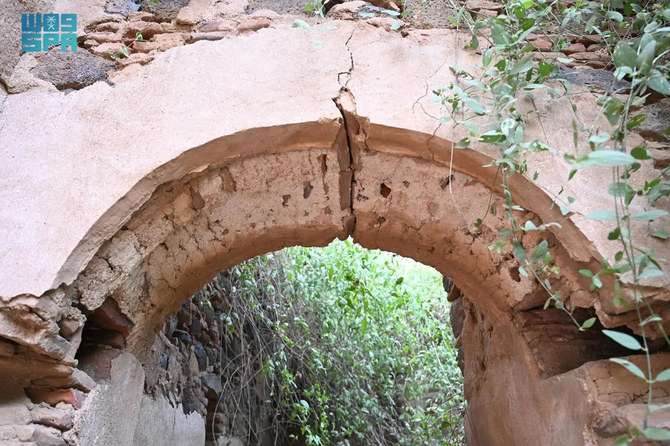
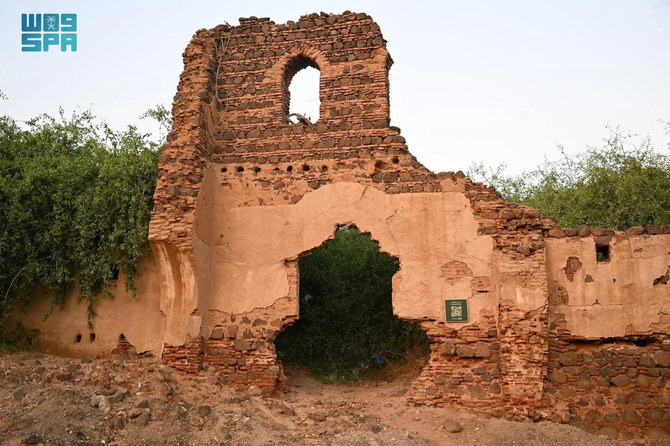
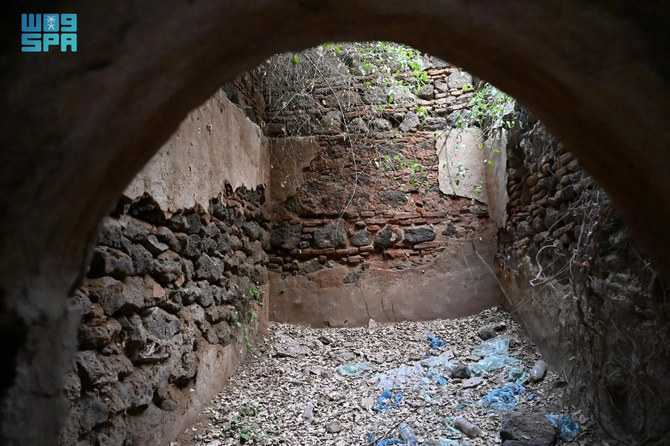
The castle, some parts of which are still standing tall to this day, was built using burnt-clay bricks. (SPA)
2 / 5
The castle, some parts of which are still standing tall to this day, was built using burnt-clay bricks. (SPA)
3 / 5
The castle, some parts of which are still standing tall to this day, was built using burnt-clay bricks. (SPA)
4 / 5
The castle, some parts of which are still standing tall to this day, was built using burnt-clay bricks. (SPA)
5 / 5
The castle, some parts of which are still standing tall to this day, was built using burnt-clay bricks. (SPA)
Short Url
Updated 06 July 2024
Follow

Abu Arish Castle: An attraction for history and architecture enthusiasts

  • Located 33 km from the city of Jazan, the historic castle dates back hundreds of years

ABU ARISH: Jazan province is home to a number of historic castles spanning ages and representing significant civilizational and tourist landmarks in the region.

The sites showcase identity, values and traditions, which are reflected in architectural details dating back centuries. They contain rocks, columns, pottery, writings, inscriptions and special decorations, serving as regional tourist attractions for heritage enthusiasts.

The historic castle in Abu Arish, located 33 km from the city of Jazan, dates back hundreds of years. It is a prominent example of the region’s rich historical and civilizational heritage.

The castle is square-shaped with a side length of 40 meters. It is supported by circular towers found at each of its corners. The upper part of its outer wall contains openings once used for observation.


The castle, some parts of which are still standing tall to this day, was built using burnt-clay bricks. (SPA)

Local building materials were used by skilled workers from the region to use burnt-clay bricks in building the castle’s walls, openings, towers and arches — the most common style in the region’s ancient cities.

Columns used in the construction of the circular towers — used in guard operations and garrisons — were reinforced with rocks, a common style in castles found along the Red Sea coast.

Additionally, stems of Doum Palm trees were used in the construction of the castle’s roofs. These trees are common in the region, especially in the area surrounding Jazan Valley in the south.


Saudi inventor wins two gold medals at Mideast International Invention Fair

Updated 14 February 2026
Follow

Saudi inventor wins two gold medals at Mideast International Invention Fair

  • Khudry was recognized for inventing a device designed to filter materials and recycle used liquids
  • The innovation aims to improve efficiency in liquid purification and reuse

RIYADH: Saudi inventor Duaa Nizar Khudry won two gold medals at the 16th International Invention Fair in the Middle East (IIFME), held in Kuwait from February 8 to 11, the Saudi Press Agency (SPA) reported.

Khudry was recognized for inventing a device designed to filter materials and recycle used liquids, an innovation aimed at improving efficiency in liquid purification and reuse. The technology has potential applications in environmental protection, industrial processing, and water conservation, particularly in regions where sustainable resource management is critical.

A member of the Mawhiba Alumni Program, Khudry represented Saudi Arabia with the support and nomination of the King Abdulaziz and His Companions Foundation for Giftedness and Creativity (Mawhiba), which was participating in the fair for the third time.

She received her first gold medal from the fair’s organizers and was also awarded the IFIA Best Invention Award by the International Federation of Inventors’ Associations, recognizing her innovation as one of the most outstanding entries in the exhibition.

The IIFME, organized annually by the Kuwait Science Club since its launch in 2007, is regarded as one of the region’s largest specialized invention exhibitions and a major platform for inventors to present their work to international audiences.

As a student, Khudry won first place nationwide at the National Olympiad for Scientific Creativity (Ibdaa) in 2013 for the same recycling device, competing against tens of thousands of students across the Kingdom. She later obtained an official patent for the invention in 2024, strengthening its scientific and commercial potential. 

She studied chemistry and is currently pursuing graduate studies in materials science and engineering under the Custodian of the Two Holy Mosques Scholarship Program. Her research focuses on environmental sustainability, advanced materials, and liquid purification technologies.