WASHINGTON: President Joe Biden used his Eid Al-Adha message to Muslims to advocate a US-backed ceasefire deal in Gaza, saying Sunday it was the best way to help civilians suffering the “horrors of war between Hamas and Israel.”
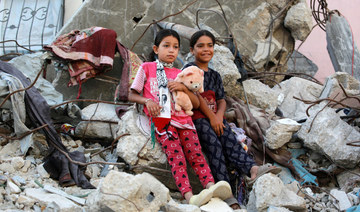
“Too many innocent people have been killed, including thousands of children. Families have fled their homes and seen their communities destroyed. Their pain is immense,” Biden said in a statement.
“I strongly believe that the three-phase ceasefire proposal Israel has made to Hamas and that the UN Security Council has endorsed is the best way to end the violence in Gaza and ultimately end the war,” he added.
The United States has been pressing Israel and Hamas to formally accept the ceasefire deal greenlighted by Security Council members last week, which would allow an initial six-week pause to fighting.
Eid Al-Adha, which marks the prophet Ibrahim’s willingness to sacrifice his son to God, saw a rare day of relative calm in Gaza after Israel announced a “tactical pause” in fighting near Rafah to facilitate aid deliveries.
The president highlighted American efforts to “advocate for the rights of other Muslim communities” facing persecution, including the Rohingya in Myanmar and the Uyghurs in China.
He said “we’re also working to bring a peaceful resolution to the horrific conflict in Sudan,” which has been gripped by fighting between the country’s army and a rival paramilitary group since April 2023.
On the domestic front, Biden’s message Sunday also promised a crackdown on Islamophobia in a direct appeal to American Muslims, a key voting demographic in the Democrat’s reelection bid against Republican rival Donald Trump.
“My Administration is creating a national strategy to counter Islamophobia and related forms of bias and discrimination, which affect not only Muslims, but also Arab, Sikh, and South Asian Americans,” Biden said.


![]()

Biden pushes Gaza ceasefire deal in Eid message

Short Url
https://arab.news/898ur
Biden pushes Gaza ceasefire deal in Eid message
- The US has been pressing Israel and Hamas to formally accept the ceasefire deal greenlighted by Security Council members last week

Latest updates




© 2026 SAUDI RESEARCH & PUBLISHING COMPANY, All Rights Reserved And subject to Terms of Use Agreement.