RIYADH: Two Saudi students have used their skills in coding and app creation to put social issues under the spotlight.
Afrah bin Jubeir and Jawaher Al-Anzi recently showcased their abilities in Apple’s Swift Student Challenge, where they were named among the top coding winners.
“This challenge offers us a platform to acquire skills that are applicable in the real world, and I am very excited to share the solutions and innovations I developed,” said Jubeir. “It is an opportunity not only to boost my knowledge and skills but also to make a positive impact in the tech community.”
Passionate about the sea and marine life, the 26-year-old created an app called “Fin’s Adventure.” It was developed not only as an entertaining game but also an educational tool to promote awareness of maritime environment matters and the importance of preserving the oceans.
“The game revolves around a fish character named ‘Fin’ who tries to survive in an ocean filled with plastic pieces,” Jubeir told Arab News. “The player will have to help Fin avoid these threats and promote awareness of the importance of keeping the oceans clean.”
The inspiration behind “Fin’s Adventure” came after Jubeir attended a conference where she noticed games had significant capabilities to convey educational messages and raise awareness.
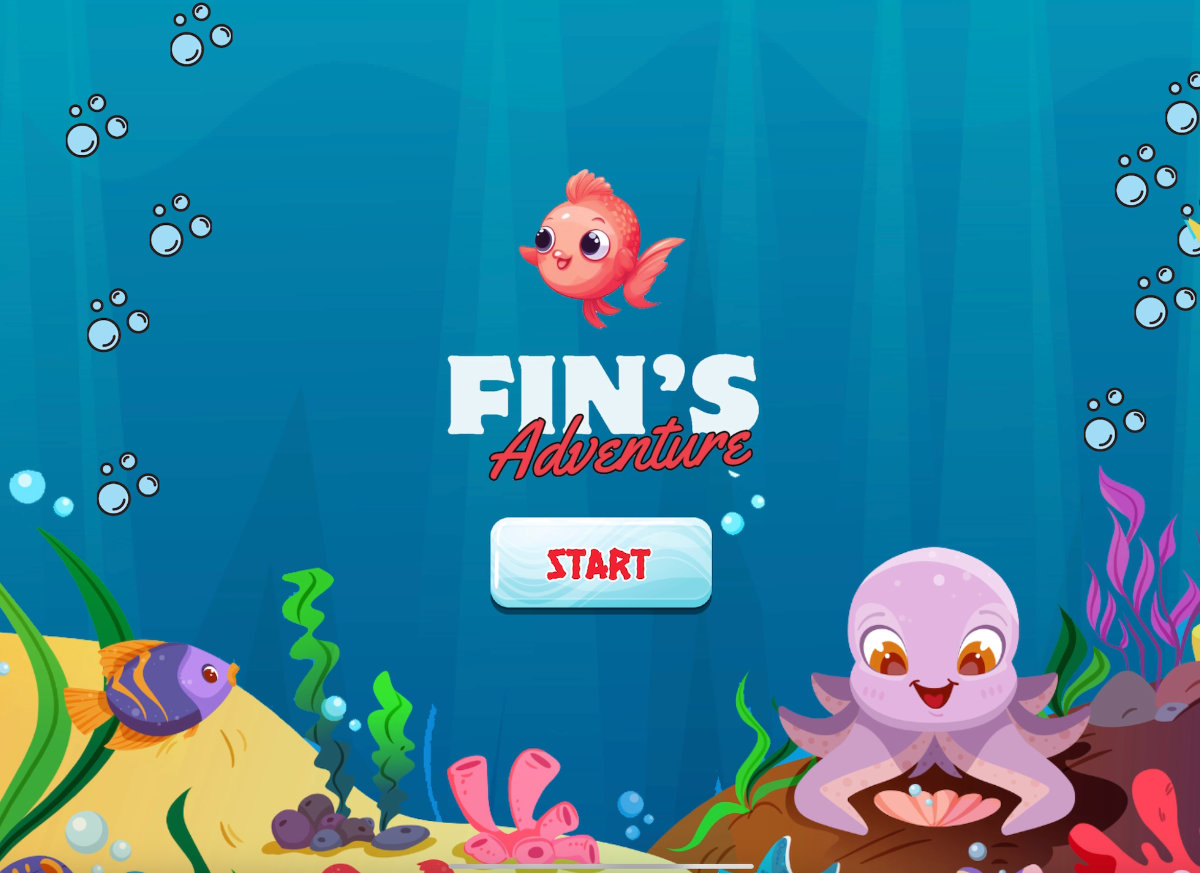
Afrah bin Jubeir's “Fin’s Adventur.” was developed not only as an entertaining game but also an educational tool to promote awareness of maritime environment matters.
She designed the game to be exciting and educational, introducing players to the negative impacts of plastic pollution and encouraging them to take small steps towards a more sustainable lifestyle.
“Owing to its fun and interactive delivery method, the game attracts both kids and adults, making it an effective tool that contributes to changing behaviors in the long run,” she said.
Jubeir began her vocational training in September 2023 when she joined the Apple Developer Academy. A nine-month program enhanced her software skills and understanding of advanced technologies, before she decided to apply to the Swift Student Challenge.
She said other students considering an application should ensure they understood the necessary requirements first. They should start with a unique idea addressing a specific problem, before going on to develop a seamless design and attractive user experience.
“Ask for feedback from your friends and acquaintances to improve your project and remember that any challenge you face is an opportunity to learn and progress. Even if you don’t win, the opportunity itself adds to your experiences and teaches you,” she said.
Al-Anzi, a 27-year-old from Riyadh, competed against 350 other students from 35 countries and was named one of 50 Distinguished Winners in the challenge.
Her app, “My Child,” aims to help children with speech impediments and was inspired by her own story.
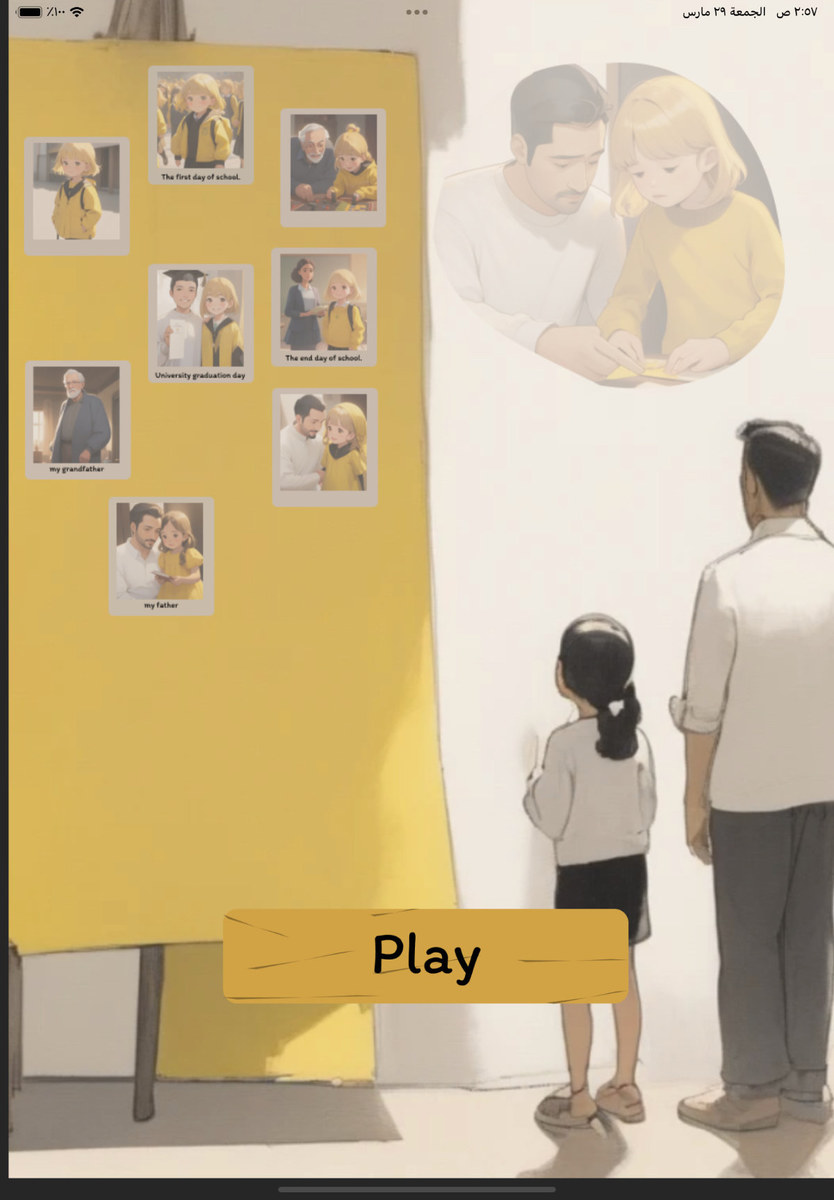
Jawaher Al-Anzi's app, “My Child,” aims to help children with speech impediments.
As a child, following the death of her grandfather, she developed a stutter. She eventually overcame it and, years later, began training at the Apple Developer Academy in Riyadh.
“It took around a month to build the application, from coming up with the idea to executing it,” she told Arab News.
“The application will contribute to solving stuttering among all members of the community of different ages. Hopefully, in the near future, it will be available for download on the App Store.”
She said her experience of participating in the Apple competition paved the way for her app creation.
“It’s an opportunity to create an application and learn how to build projects and new techniques, in addition to creating an application that contributes to helping society as a whole.”
Asked what advice she would give others hoping to follow in her footsteps, she said it would be the same advice that was given in the Apple academy: “Everyone can code.”