Hira Cultural District: A beacon for visitors, Umrah performers

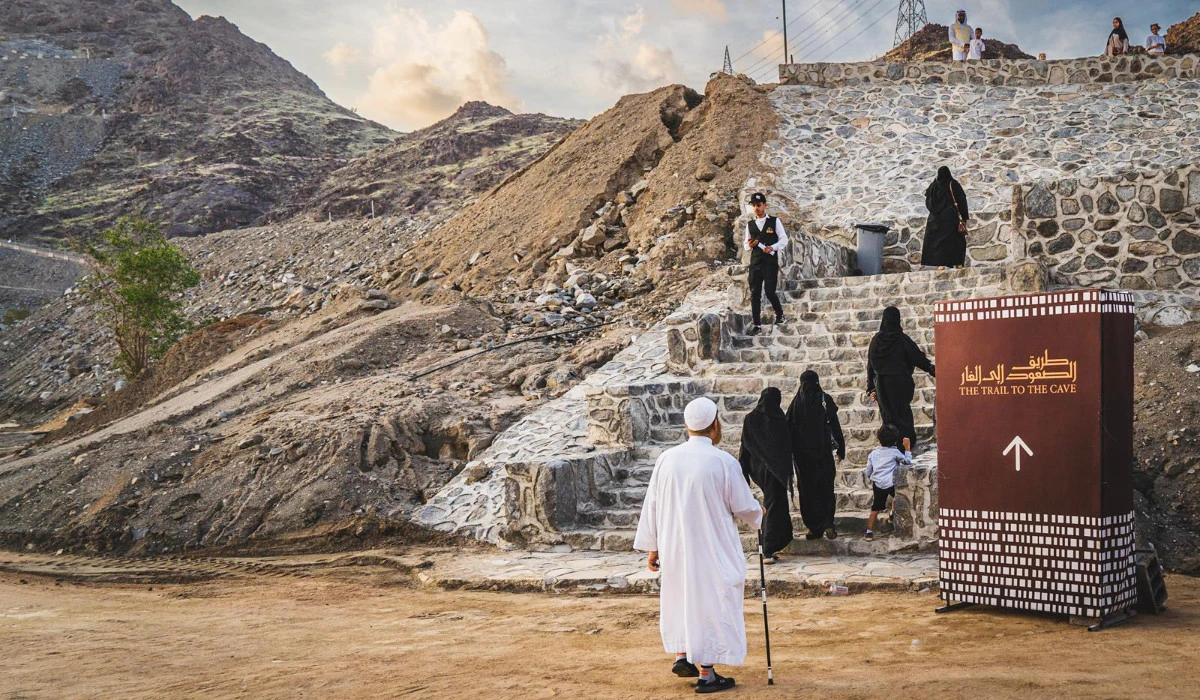
Following its recent reopening and the construction of a new pathway, Hira Cave has also seen a surge in visitors. (SPA)
Short Url
Updated 06 April 2024
Follow

Hira Cultural District: A beacon for visitors, Umrah performers

  • Attraction showcases significance of Makkah

RIYADH: The Hira Cultural District has become a major attraction for visitors and Umrah performers during Ramadan. More than 1 million visitors from over 100 countries have flocked to the district, which offers a rich and immersive experience of Islamic history and culture.

A key attraction is the Revelation Exhibition located at the foot of Mount Hira. This interactive exhibition takes visitors on a journey through the story of the revelation of the Qur’an and Prophet Muhammad.
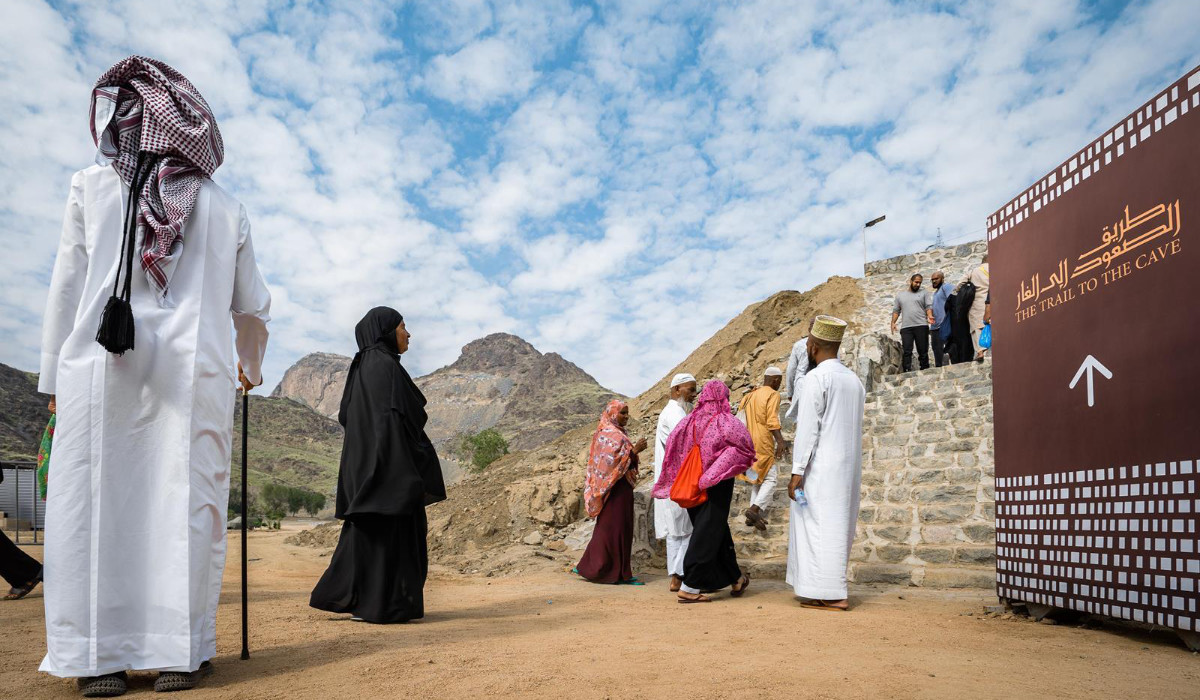


Following its recent reopening and the construction of a new pathway, Hira Cave  has also seen a surge in visitors. (SPA)

Visitors get to explore a collection of exhibits showcasing the Islamic and historic significance of Makkah. The exhibition’s use of advanced technology promotes teaching of the subject.

Following its recent reopening and the construction of a new pathway, Hira Cave — a revered landmark in Makkah — has also seen a surge in visitors. Umrah performers are eager to explore the cave and experience the spiritual atmosphere where Prophet Muhammad received his revelations.

HIGHLIGHT

The climb to the cave is particularly popular during the holy month, with visitors seeking to deepen their knowledge of its historic and geographical significance.
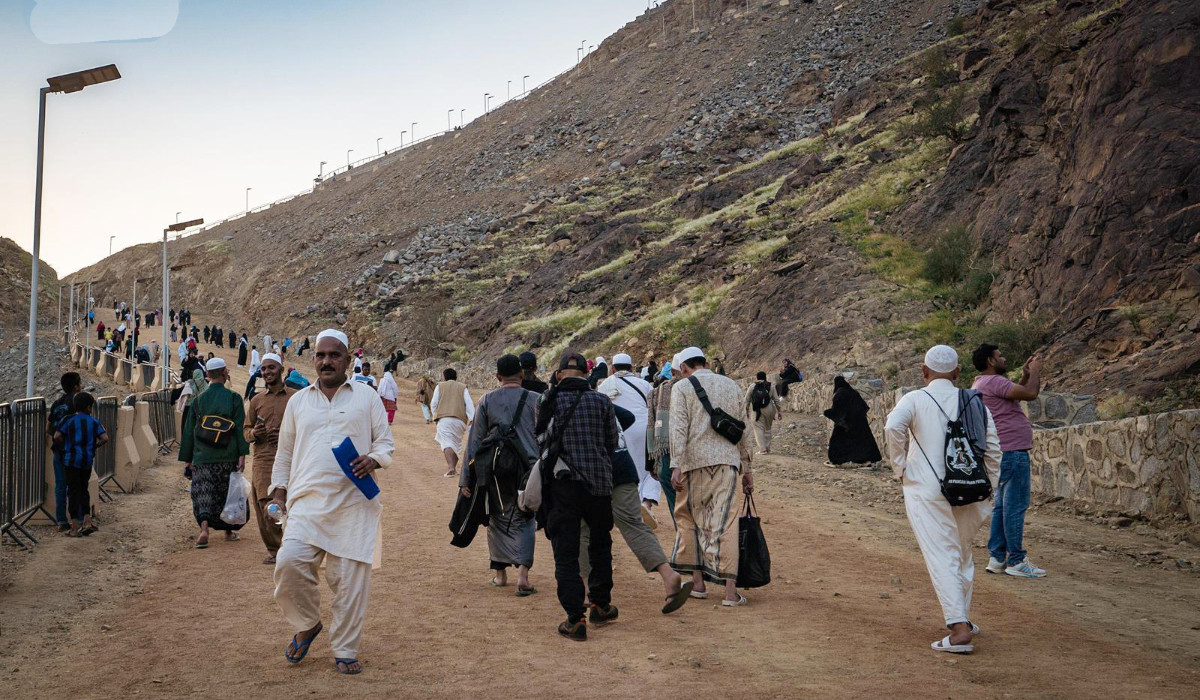
The climb to the cave is particularly popular during the holy month, with visitors seeking to deepen their knowledge of its historic and geographical significance.


Following its recent reopening and the construction of a new pathway, Hira Cave has also seen a surge in visitors. (SPA)

Spread over 67,000 square meters, the Hira Cultural District is a unique cultural and tourist destination overseen by a consortium consisting of the Royal Commission for Makkah City and the Holy Sites, the Makkah Province Emirate, the Ministry of Culture, the Ministry of Tourism, the Holy Makkah Municipality, the Pilgrim Experience Program, and the General Authority for Endowments.

The district’s development plan prioritizes honoring historic significance, reflecting the stature of the Kingdom, and upholding the role as custodian of the holy sites.

The project strives to create harmony between the natural beauty and historic value of the location, while acknowledging the religious and humanitarian importance of Makkah.


‘Masterpieces of Saudi Orchestra’ shine at Maraya in AlUla

The “Masterpieces of Saudi Orchestra” concert opened at Maraya Concert Hall in AlUla on Thursday. (Supplied)
Updated 23 January 2026
Follow

‘Masterpieces of Saudi Orchestra’ shine at Maraya in AlUla

  • The concert on its opening night presented a seamless artistic journey, where orchestral works met Saudi musical identity
  • It underlined the Music Commission’s aim to present Saudi artistry at a high professional level

RIYADH: The “Masterpieces of Saudi Orchestra” concert opened at Maraya Concert Hall in AlUla on Thursday under the patronage of the Kingdom’s Minister of Culture and Chairman of the board of the Music Commission Prince Bader bin Abdullah.

Organized by the Music Commission, the concert on its opening night presented a seamless artistic journey, where orchestral works met Saudi musical identity.

The Saudi National Orchestra and Choir, conducted by Maestro Hani Farhat, led audiences through carefully curated pieces reflecting heritage and modern creativity.

The repertoire combined traditional influences with orchestral scoring, offering listeners heritage-based compositions alongside recent arrangements.

Regional rhythms and layered musical textures were used to echo the Kingdom’s history, while pieces rooted in Saudi classical music tradition connected audiences with familiar cultural references in a fresh format.

The concert underlined the Music Commission’s aim to present Saudi artistry at a high professional level.

The series seeks to honor national heritage while encouraging contemporary artistic engagement, and its growing local and international presence was highlighted throughout the evening.

The program also featured a visual dimension led by the Theater and Performing Arts Commission, which staged live performances of Saudi folk arts. 

Audiences saw presentations of Samri, Dahha, Rafeihi, Yanbawi, Zair and Khabeeti, synchronized with the orchestra to create one integrated artistic experience.

These folk elements were arranged to complement the orchestral sound, reinforcing the richness and variety of Saudi cultural identity. The combination of music and movement aimed to show how traditional forms can engage with large-scale concert settings while retaining their historical character and community roots.

This performance is an extension of the series of successes achieved by the Saudi Orchestra’s masterpieces both locally and internationally, and reaffirms the Music Commission’s commitment to showcasing Saudi music in its finest form.