

Saudi HR minister launches major strategy to empower young people

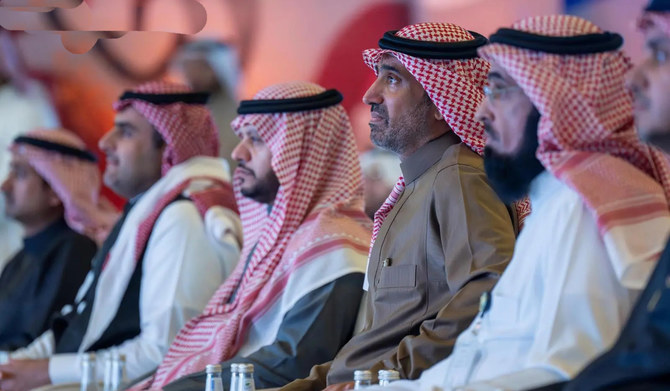
Al-Rajhi said 10 strategic goals are outlined in the Youth Development Strategy. (SPA)
Short Url
Updated 31 January 2024
Follow

Saudi HR minister launches major strategy to empower young people

  • Young Saudis make up 78% of Kingdom’s workforce, says Al-Rajhi

RIYADH: Saudi Arabia launched a major strategy to empower youths in the workforce as part of the national Vision 2030 program.

The Youth Development Strategy was launched at an event in Riyadh on Monday by Minister of Human Resources and Social Development Ahmed Al-Rajhi.

He highlighted the need for the development strategy — which runs until 2030 — to strengthen the Kingdom’s youths, who make up 44 percent of the population and 78 percent of the workforce.

HIGHLIGHT

The strategy involves collaboration and partnerships with more than 30 government and private entities, which aim to improve regulations for young people in the workforce and enhance their participation in decision-making processes.

The Saudi leadership’s supportive vision empowers young people, opening broader horizons for Saudi youths to contribute to the nation’s development, he added.

Al-Rajhi said that the strategy involves collaboration and partnerships with more than 30 government and private entities, which aim to improve regulations for young people in the workforce and enhance their participation in decision-making processes.

The strategy is based on five major pillars that promote youth as the Kingdom’s wealth, the minister added. The Youth Development Strategy aims to achieve 10 strategic goals, he said.

Elevating the global competitiveness of young people in the Kingdom and advancing youth development indicators will reap major rewards for Saudi Arabia, Al-Rajhi added.

The ministry is placing special focus on the integration of Saudi youths into 24 key sectors, encouraging young people to play key roles in shaping the Kingdom’s future, he said.

Al-Rajhi expressed gratitude to partners, including institutions and officials, for their contributions to building the Youth Development Strategy.


Saudi deputy FM attends OIC ministers’ meeting on Somalia situation

Updated 11 January 2026
Follow

Saudi deputy FM attends OIC ministers’ meeting on Somalia situation

JEDDAH: Saudi Arabia Vice Minister of Foreign Affairs Waleed Elkhereiji has reaffirmed the Kingdom’s full support for Somalia’s sovereignty, unity and territorial integrity, while strongly rejecting any actions that undermine the country’s stability.

Speaking at an extraordinary meeting of foreign ministers from member states of the Organization of Islamic Cooperation, Elkhereiji condemned the declaration of mutual recognition between Israeli occupation authorities and the Somaliland region, describing it as a unilateral separatist move that violated international law, the UN Charter and the OIC Charter.

He stressed the Kingdom’s categorical rejection of any attempts to impose parallel entities that contradict Somalia’s unity and territorial integrity, or that seek to divide or diminish its sovereignty. Elkhereiji also reiterated Saudi Arabia’s support for Somalia’s legitimate state institutions and its commitment to preserving the country’s stability and the security of its people.

Elkhereiji called on the OIC and its member states to adopt a firm and unified Islamic position rejecting any recognition of, or engagement with, separatist entities in Somalia. He urged coordinated action in international forums to affirm Somalia’s unity and prevent what he described as dangerous precedents that could threaten the sovereignty of OIC member states.

He further called for holding the Israeli entity fully responsible for any political or security consequences resulting from such actions, and for rejecting any cooperation arising from the declaration of mutual recognition.

During the meeting, he also reiterated the Kingdom’s position on the Palestinian cause, emphasizing its centrality and Saudi Arabia’s support for efforts to secure a ceasefire in the Gaza Strip. He said this would enable the Palestinian people to exercise their right to self-determination and establish an independent state along the 1967 borders, with East Jerusalem as its capital.