

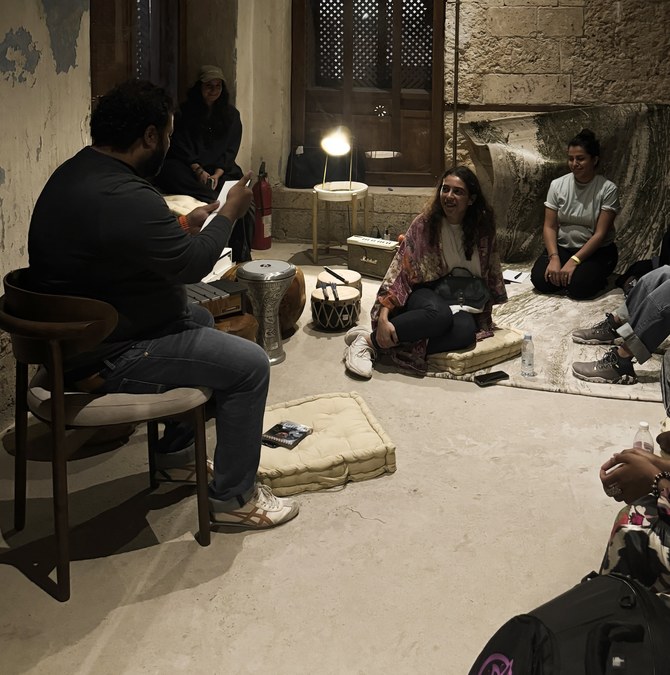

Jeddah: Jeddah’s historic district is currently hosting the Samaa program as a part of the Balad Al-Fann initiative, which focuses on early developmental learning through communal listening, music and storytelling.
The program aims to revive ancestral forms of wisdom and knowledge transference through sound, music, and silence. With a series of events and workshops, the Samaa program highlights the significance of sonic forms of memory recall, personal growth and resistance. Its ultimate aim is to create a vibrant and inclusive cultural space within the community.
Tara Al-Dughaither, curator of the Samaa program and founder of the artistic research, documentation and production platform Sawtasura, spoke about the program’s significance and its focus on diverse voices and perspectives.
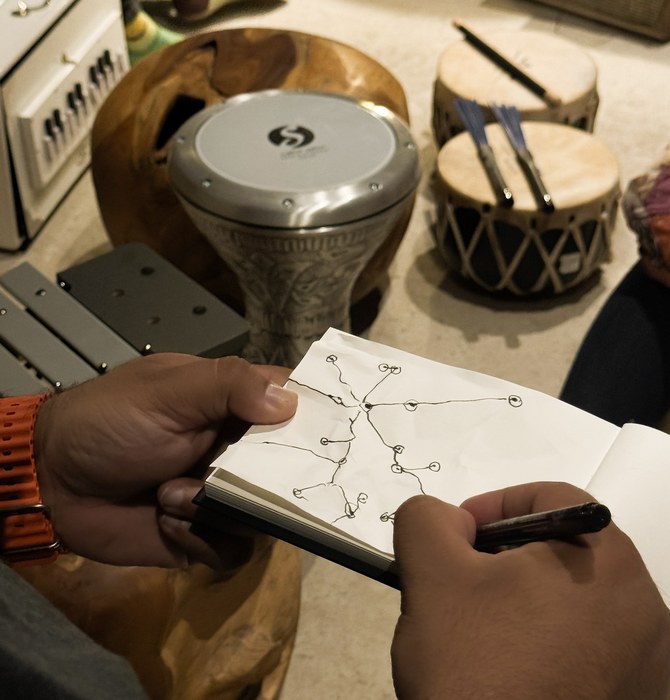
She said: “We provide a space where the public mostly decides what to do in it. We simply offer some tools such as instruments and books, or devices to play music, while the messaging encourages ‘Learn and Play.’ We believe playfulness and organic expression contribute to the development of people’s creativity, which is the essence of a healthy and diverse culture.”
Al-Dughaither further emphasized the importance of deep listening and the program’s departure from market-driven expectations: “The main goal of this program is enhancing deep listening as a way to tap into the creative process and focus on that rather than final and complete works, which is almost opposite of what the market demands. But I think that’s significant.”
The program is divided into several thematic periods, each offering unique experiences and opportunities for visitors. The program first started with “Electronic Sounds,” exploring the inclusive nature of synthesized and electronic music as a mode of sonic transference. This segment ran until Jan. 2, with artists sharing their music and conducting workshops on sound production techniques for creating synthesized, recorded, and looped forms of memory and storytelling.
From Feb. 1- 14, the focus will shift to “Alternative Arab Narratives,” providing a platform for artists to share their musical expressions and exchange ideas with local artists, representing the ethnic and cultural diversity of Jeddah and the region. This exchange aims to foster a sense of allyship and remembrance.
The period from Feb. 15- 21 will be dedicated to “Folk Remembrance,” emphasizing traditional local culture and prioritizing women and children’s circles. Activities during this period will revolve around rhythm and Arabic poetry as forms of timekeeping and memory transference.
Finally, from Feb. 22 to March 9, the program explores “Listening and Presence” as a means of inner reflection and self-empowerment. Artists and musicians will engage with sound and music academically, delving into deep listening as a gateway to transformation and collective empowerment.
Regarding challenges, Al-Dughaither added: “When approaching an open-ended project like this, it’s always a matter of working with hopes rather than clear expectations. We can only manage and control a select number of pre-planned events while the rest is up to the people and how they respond to the space.”
Sawtasura, the curator-led platform behind the program, aims to organize, collect, and archive musical histories in the Arab and Gulf region, offering alternative and sonic ways of knowing. As with all Sawtasura’s initiatives, the emphasis of sound or voice is integral and central. This particular program marks their first interactive engagement with the public.
Al-Dughaither concluded: “We’re especially excited to host some musicians from our neighboring countries performing in an alternative style. This program is a unique opportunity to engage with sound and music as a form of intellectual and emotional rigor, self-determination, and collective empowerment. Sound here plays the deeper role that it can play, becoming a psycho-emotional gateway to transformation.”
Ahmed Nawaf, a music enthusiast said: “I was blown away by the range of experiences offered in this program. The exploration of electronic sounds allowed me to uncover profound layers of meaning within the music. This program has undeniably transformed my perspective on music and creativity, leaving a lasting impact. I eagerly anticipate the upcoming engagements in the coming months.”


