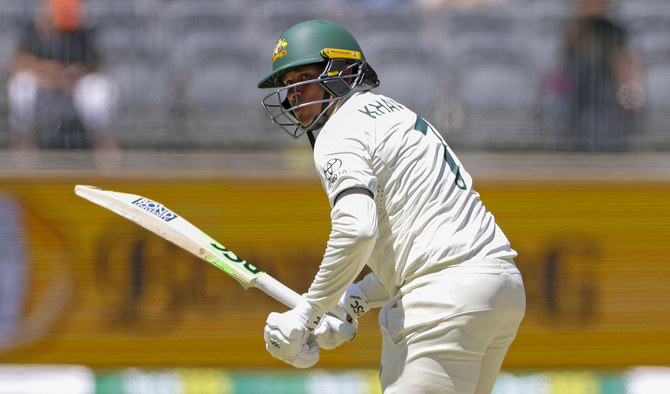
MELBOURNE: Australia's Usman Khawaja said Friday that a black armband he wore in the first Test against Pakistan was for a "personal bereavement" and not politically motivated, after the star batter was reprimanded by the International Cricket Council (ICC).
The 36-year-old donned the armband during the team's 360-run victory in Perth, a move seen at the time as support for people in Gaza, where thousands have been killed.
He had wanted to wear shoes emblazoned with the hand-written slogans "Freedom is a human right" and "All lives are equal" during the match, saying he had been hit hard by the Israel-Hamas conflict.
But Khawaja, who is Muslim, was told that it flouted ICC rules on messages that relate to politics, religion or race.
He covered the messages with tape and wore the armband.
Khawaja insisted he told the ICC during the match that it was for a personal bereavement and no hidden meaning.
However, the ICC said it breached their clothing and equipment regulations.
"Usman displayed a personal message (armband) during the first Test match against Pakistan without seeking the prior approval of Cricket Australia and the ICC to display it, as required in the regulations for personal messages," the ICC said late Thursday.
"This is a breach under the category of an 'other breach' and the sanction for a first offence is a reprimand."
Khawaja said he would not wear an armband during the second Test in Melbourne next week, but remained defiant.
"No, I'm not wearing it again. As I said to the ICC, the armband was for a personal bereavement," he told reporters in Melbourne.
"The armband was different to my shoes. The shoes were very obvious. At the end of the day I didn't wear the shoes. I respected the rules and procedures and left it at that."
He added that being reprimanded for the armband "makes no sense" and pointed to other players who had previously put stickers on their bats and names on their shoes without approval and escaped punishment, urging the ICC to be more consistent.
"I will just be asking and contesting that they (ICC) make it fair for everyone and they have consistency in how they officiate. That's all I ask for, and from my point of view, that consistency hasn't been done yet," he said.


![]()

Khawaja insists armband was not political after ICC reprimand
Short Url
https://arab.news/vdy5z
Khawaja insists armband was not political after ICC reprimand
- 36-year-old donned armband during team's 360-run victory in Perth, a move seen as in support of people in Gaza
- Says he told the ICC during the match it was for a personal bereavement and had no hidden meaning
Latest updates


Recommended


© 2026 SAUDI RESEARCH & PUBLISHING COMPANY, All Rights Reserved And subject to Terms of Use Agreement.