

Saudi Arabia’s non-oil activities increase by 3.5% in Q3: GASTAT 

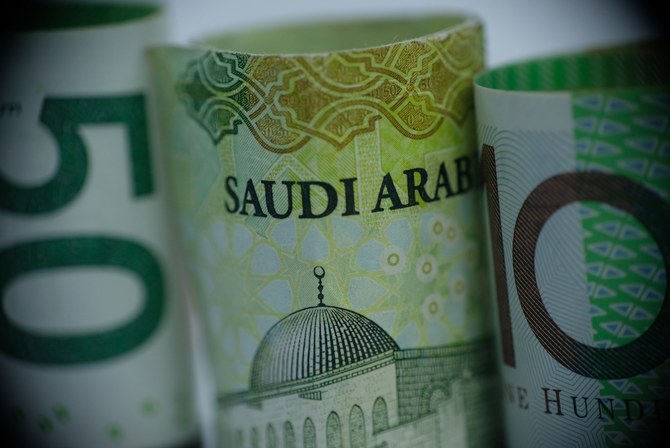
The Kingdom’s non-activities also rose by 0.4 percent in the third quarter compared to the previous quarter of this year.  Shutterstock
Short Url
Updated 07 December 2023
Follow

Saudi Arabia’s non-oil activities increase by 3.5% in Q3: GASTAT 

RIYADH: Saudi Arabia’s non-oil activities increased by 3.5 percent in the third quarter of 2023, compared to the same period of the previous year, as the Kingdom steadily diversifies its economy away from oil, official data showed.  

According to a report released by the General Authority for Statistics, the Kingdom’s non-activities also rose by 0.4 percent in the third quarter compared to the previous quarter of this year.  

Strengthening the non-oil private sector is crucial for Saudi Arabia, aligning with the goals outlined in Vision 2030 as the Kingdom continues to diversify its economy.  

However, the report noted that Saudi Arabia’s real gross domestic product decreased by 4.4 percent year-on-year in the third quarter, and by 3.2 percent compared to the previous quarter.  

This decline is attributed to a 17 percent decrease in oil activities during the third quarter, following the Kingdom’s decision, in alignment with the Organization of the Petroleum Exporting Countries, to reduce oil output.  

The commitment to a 500,000 barrels per day output cut, initiated in April and extended until December 2024, contributed to this reduction. 

Additionally, Saudi Arabia pledged an extra 1 million bpd cut in July, with the Ministry of Energy announcing in November that this supplementary cut would continue until the end of December 2023. 

The GASTAT report indicated that government activities, the second-highest contributor to real GDP at 15.3 percent, grew by 1.9 percent in the third quarter compared to the same period last year. 

However, government activities experienced a 3.8 percent decline in the third quarter compared to the second quarter of this year. 

Furthermore, the report noted positive growth rates in most economic activities during the third quarter. 

Community, social, and personal services activities grew by 11.8 percent year-on-year, while finance, insurance, and business services increased by 6.2 percent. 

Wholesale and retail trade, restaurants, and hotel activities also rose by 5.4 percent during the same period. 


Egypt’s annual inflation falls to 10.3% in December: CAMPAS  

Updated 11 January 2026
Follow

Egypt’s annual inflation falls to 10.3% in December: CAMPAS  

RIYADH: Egypt’s annual headline inflation rate slowed sharply to 10.3 percent in December, down from 23.4 percent in the same month a year earlier, official data showed. 

According to the Central Agency for Public Mobilization and Statistics, the overall consumer price index reached 264.2 points in December. On a monthly basis, inflation rose marginally by 0.1 percent. 

CAPMAS attributed the annual deceleration primarily to a decline in food prices, including a 1.1 percent drop in meat and poultry, 1.2 percent in dairy, cheese and eggs, 1 percent in fruits, 2 percent in vegetables, and 0.1 percent in sugar and sugary products. 

Prices of household appliances, audio-visual equipment and information technology devices also declined by 0.5 percent and 0.4 percent, respectively. 

However, other categories recorded increases, including grains and bread by 0.1 percent, oils and fats by 0.3 percent, and beverages such as coffee, tea and cocoa by 0.1 percent. 

Month-on-month inflation showed limited movement, with food and beverage prices falling by 0.8 percent due to similar declines in meat, dairy, fruit and vegetable prices. In contrast, modest cost increases were recorded in grains, oils and beverages. 

Alcohol and tobacco prices rose by 0.2 percent, while clothing and footwear increased by 0.7 percent, driven by higher prices for fabrics, up 1.6 percent, ready-made garments, up 0.4 percent, and footwear, up 1.6 percent. 

Housing and utilities recorded an increase of 1.5 percent, reflecting a 1.9 percent rise in actual rents, a 1.6 percent increase in electricity, gas and other fuels, and a 0.5 percent rise in maintenance costs. 

Furniture and household equipment prices climbed 0.9 percent, while healthcare rose by 0.5 percent, led by outpatient services, up 1 percent, and hospital services, up 1.8 percent. Transport costs increased by 0.2 percent, and recreational and cultural services rose by 0.6 percent, including a 1.5 percent increase in organized travel. 

Annual inflation data showed a broad-based increase across most sectors. Food and beverages rose by 0.9 percent year on year, with fruits up 22.6 percent, despite a 4.1 percent decline in meat and poultry and a 4.8 percent drop in vegetables. 

Alcohol and tobacco prices jumped 18.2 percent, while clothing and footwear climbed 14 percent. Housing and utilities surged 22.5 percent, largely due to higher rents and energy prices. 

Healthcare recorded one of the highest annual increases at 23.9 percent, driven by a 28.9 percent rise in medical equipment prices and a 21 percent increase in hospital services. Transport costs rose by 21.1 percent, education by 10 percent, and restaurants and hotels by 13 percent. 

The category of miscellaneous goods and services registered a 12.2 percent annual increase, with personal care products rising 13 percent and personal belongings up 27.2 percent.