RIYADH: Saudi Arabia aims to emerge as a leader in the regional aviation sector within 10 years and to achieve this ambitious goal it has introduced a raft of measures to ensure an environment for sustainable growth and investments.
The latest in a series of those measures is the introduction of a new aviation policy that redefines the role of the General Authority for Civil Aviation allowing it to increase its focus on enhancing the competitiveness of the Saudi aviation sector.
Commenting on the Saudi Aviation Strategy, a GACA spokesperson Ibtisam Al-Shehri told Arab News: “We are committed to achieving our goals under the Saudi Aviation Strategy and ensuring the aviation sector plays its role in the transformation of the Kingdom under Vision 2030.”
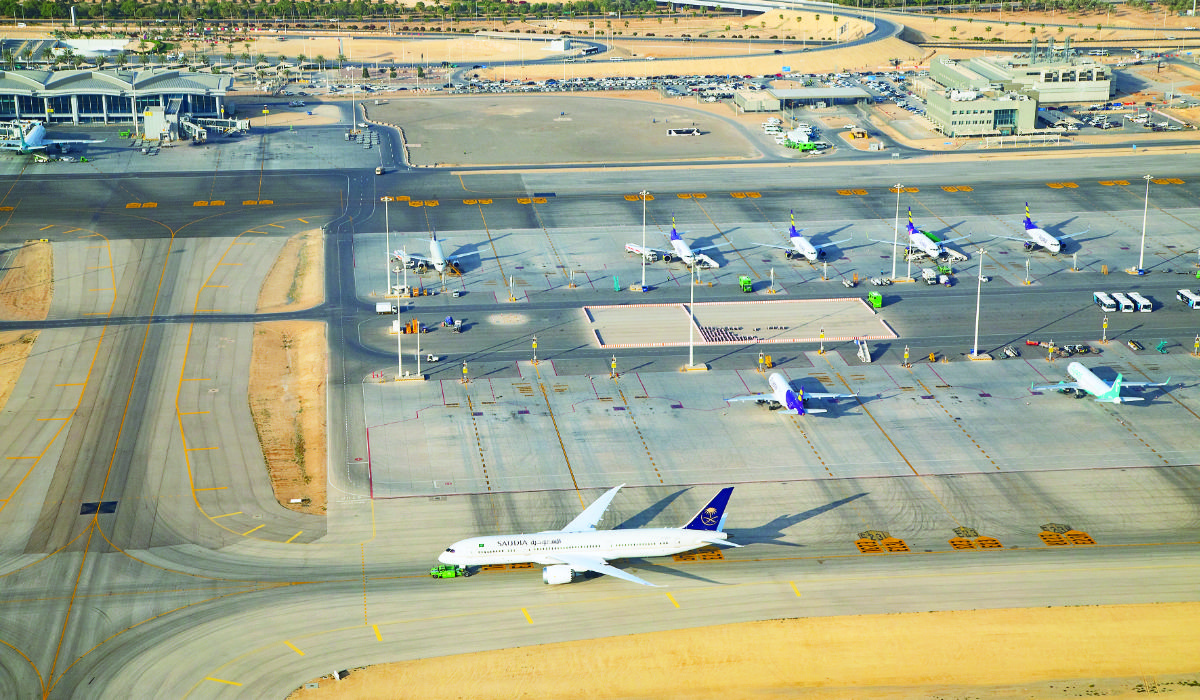
The International Air Transport Association also welcomed the aviation authority’s proactive approach to engaging with industry stakeholders to help shape and upgrade new aviation regulations. (Shutterstock)
She said all stakeholders, particularly GACA, were highly motivated to ensure the successful implementation of these reforms and “see Saudi Arabia’s aviation sector lead the region by 2030.”
The International Air Transport Association also welcomed the aviation authority’s proactive approach to engaging with industry stakeholders to help shape and upgrade new aviation regulations.
During the Arab Air Carriers Organization annual general meeting in Riyadh, IATA Director General Willie Walsh said: “(Air) traffic in the Middle East grew by 26.1 percent compared to the previous year. For cargo, data shows that the region is already over 2 percent up on 2019 levels.”
FASTFACT
New aviation policy redefines the role of the General Authority for Civil Aviation allowing it to increase its focus on enhancing the competitiveness of the Saudi aviation sector.
The recently announced aviation strategy seeks to attract $100 billion worth of investments by 2030. In a statement, GACA emphasized that these pivotal reforms are aimed at bolstering competitiveness, enhancing transparency, and bringing to fruition the objectives outlined in the Saudi Aviation Strategy.

Ibtisam Al-Shehri, GACA spokesperson
It emphasized that the policy framework is set to create fresh opportunities for investors and operators by leveling the playing field to stimulate increased competition.
The policy overhaul will encompass regulations governing airports, ground services, air cargo, and air transport services.
Airport rules
According to GACA’s media briefing, the airport regulations will cover matters related to ownership, earnings, quality of service, and investments.
The authority will recategorize airports into three main groups based on their size and capacity: major airports, which handle over 10 million passengers or more than 125,000 tons of freight; mid-sized airports, serving between 3 and 10 million passengers or handling 25,000 to 125,000 tons of freight; and small-scale airports, accommodating less than 3 million passengers or handling under 25,000 tons of freight.
The regulatory environment we are putting in place enables airlines to grow, innovate, and provide the best possible service to passengers.
Ibtisam Al-Shehri, GACA spokesperson
Freight refers to goods being transported in large quantities from one place to another, often by various modes of transportation including airplanes.
Furthermore, GACA’s policy specifies who can own and control airports. As per the new plan, the Saudi government or government-owned entities can own the land and airport facilities, but foreign investors can now also serve as airport operators without any restrictions.
Managing airports
Under the new plan, GACA will assume the role of a regulator that will only step in if and when needed. Decisions will be finalized in this regard following thorough consultation with airport user groups. The contours of the new policies will take shape after a careful review of the input from different stakeholders.
Al-Shehri said: “We have consulted with airlines on our reforms to ensure that the regulatory environment we are putting in place enables airlines to grow, innovate, and provide the best possible service to passengers.”
Ground services and cargo
The new rules regarding ground services, including baggage handling, freight, and mail handling, aim to establish a competitive sector with enhanced productivity and service quality, along with regulations on pricing and quality.
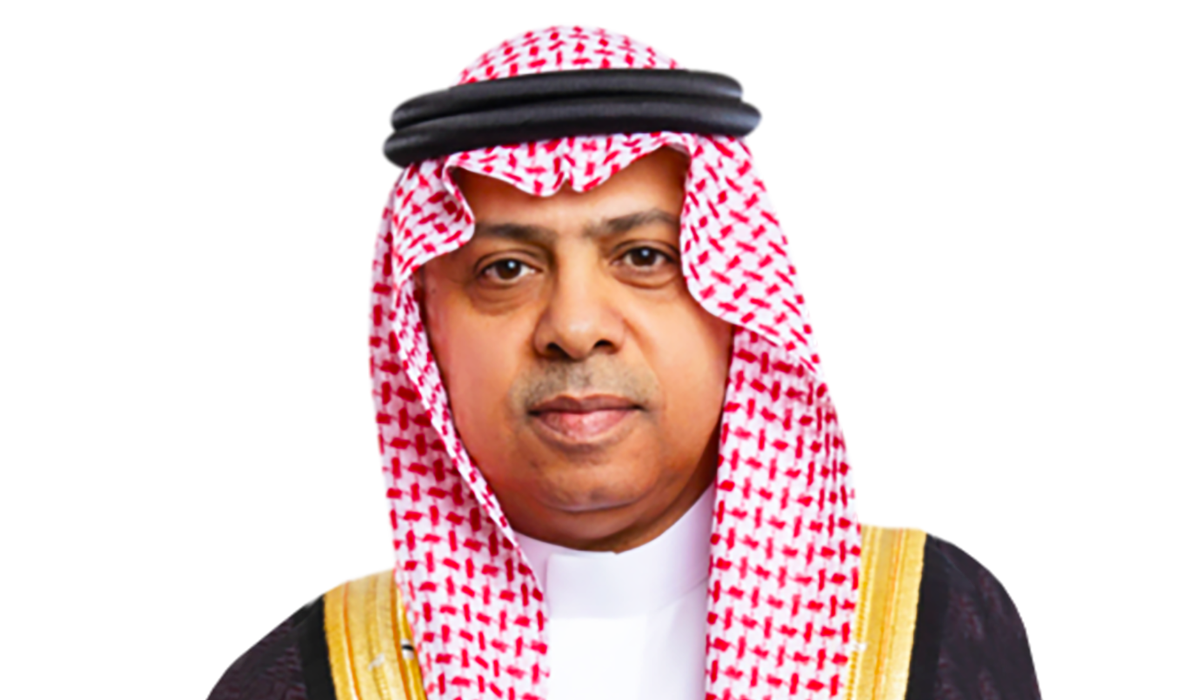
Abdulaziz Al-Duailej, GACA president
GACA also reportedly took measures to curb malpractices and eliminate the risk of any kind of manipulation while deciding which ground and ancillary services should be economically regulated.
Reforms concerning stakeholders and service providers involve defining the roles and responsibilities of each party, reducing government involvement with investors, and streamlining interactions with clear areas of responsibility.
The new policy also introduces standards to ensure global service quality, and commitments to key performance indicators, clarifies the airport’s role, and outlines escalation mechanisms for service providers and users.
GACA President Abdulaziz Al-Duailej emphasized the alignment of these changes with global practices and their potential impact.
He said: “GACA’s transformation of Saudi Arabia’s aviation economic regulations will drive further investment, growth, and performance across the aviation sector.
These changes will create more competition, choice, and value for passengers and consumers.
Abdulaziz Al-Duailej, GACA president
“The regulations will enable the realization of the Saudi Aviation Strategy, which is mobilizing $100 billion in investment from public and private sector sources by 2030. These changes will create more competition, choice, and value for passengers and consumers.”
Air transport
Regulations for air transport have been streamlined to align with global best practices, according to GACA.
The reforms for national carriers include the approval of airline marketing agreements, a process for allocating international traffic rights on constrained routes, and criteria for wet-lease approval and renewal.
Wet leasing, defined by EU regulations, involves operating an aircraft under the lessor’s Air Operator Certificate.
Scheduled foreign carriers will benefit from streamlined local office requirements and the removal of bond requirements, while general-purpose charters will no longer require economic approval for series charters and will see the removal of local office and bond requirements.
General aviation operators will enjoy more flexibility as restrictions on “empty leg” flights are eliminated, improving international flight network connectivity.
An empty-leg flight occurs when a chartered jet, initially flown to a specific location without passengers, returns without any booked passengers to its home base.
Al-Shehri said: “The totality of these measures has the effect of optimizing costs for operators and investors while improving transparency in commercial transactions and providing the flexibility for market participants to innovate.”
She told Arab News: “Over the coming months, we want to highlight the contribution and importance of the sector to the Kingdom, celebrate key milestones in the sector’s progress under the Saudi Aviation Strategy, as well as celebrate the talent and people that are driving this transformation across the sector.”
What is in it for passengers?
The new aviation policy aligns with GACA’s recently approved passenger protection guidelines, set to take effect on Nov. 20.
The new rules will focus on supporting passengers in cases of delayed or canceled flights, reservation issues, or changing the ticket class. Some refunds may reach up to 150-200 percent of the ticket fare.
The guidelines also address the rights of passengers with special needs, along with ensuring compensation of SR6,568 ($1,751) in case of lost luggage and up to SR6,568 in case of damaged luggage.
In this context, Al-Shehri told Arab News: “The enhanced competitive environment will attract new investment and market participants, thereby providing a wider range of choices for passengers and improving the quality of service experienced at airports and airlines.”
“These new economic regulations follow GACA’s enhancement of passenger rights regulations earlier this year, which introduced the most comprehensive protections in the region,” she added.
Earlier this year, Saudi national airlines issued refunds totaling SR58 million to passengers during 2021-22. GACA clarified that these refunds primarily addressed issues such as delays or loss of luggage, flight cancellations, and delays.
Sustainability factor
Recently, Saudi Arabian Oil Co. successfully converted used cooking oil into certified sustainable aviation fuel through one of its joint ventures.
In a statement, Saudi Aramco Total Refining and Petrochemical Co. announced it had used the foodstuff as a renewable feedstock in its low-pressure hydrodesulfurization unit, resulting in the production of certified sustainable aviation fuel.
SAF is a liquid fuel that reduces carbon dioxide emissions by up to 80 percent, according to IATA.