



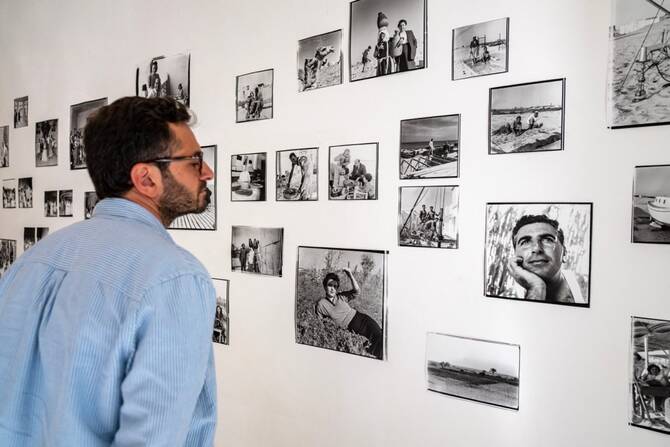
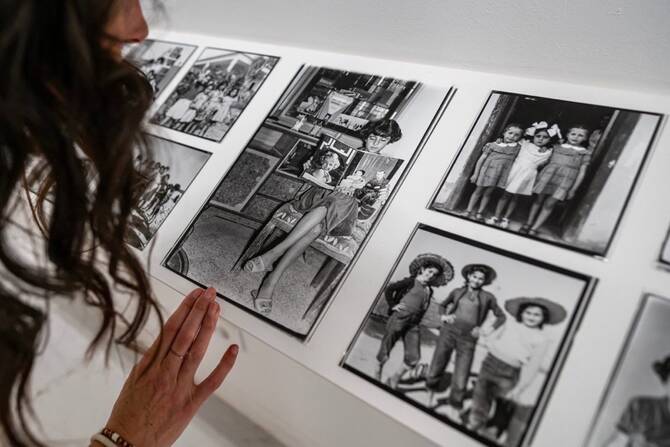

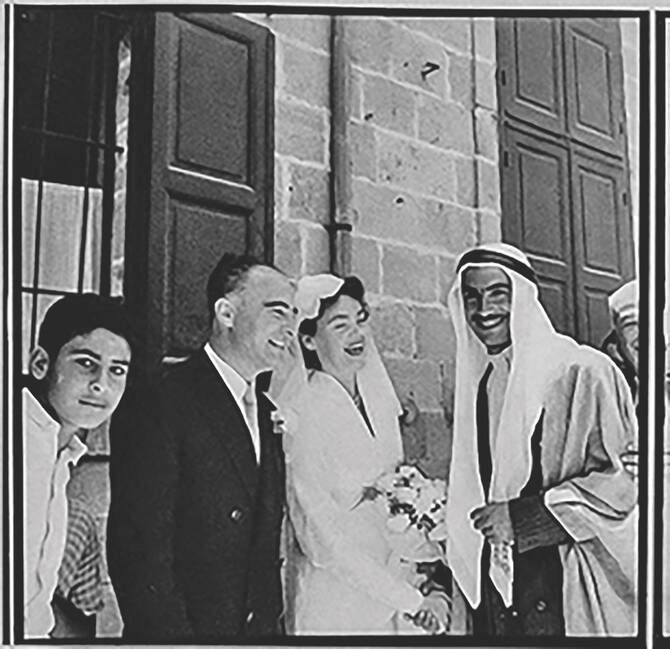
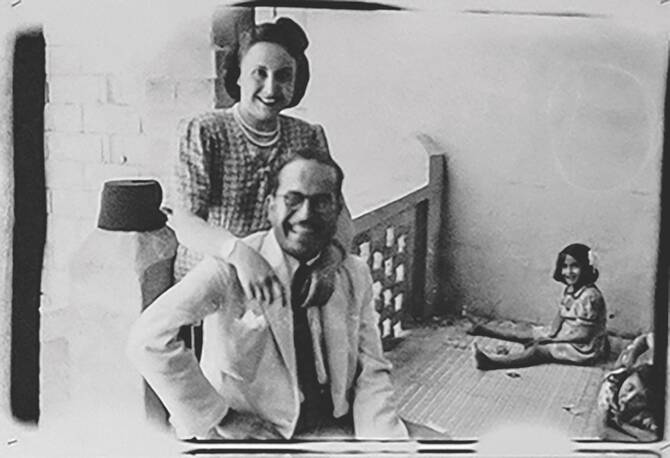

LONDON: A happy family gathers for a picnic. A laughing couple celebrate their wedding with friends. Two children stroll along an idyllic beach, the Mediterranean lapping at their feet and palm trees fringing the sand.
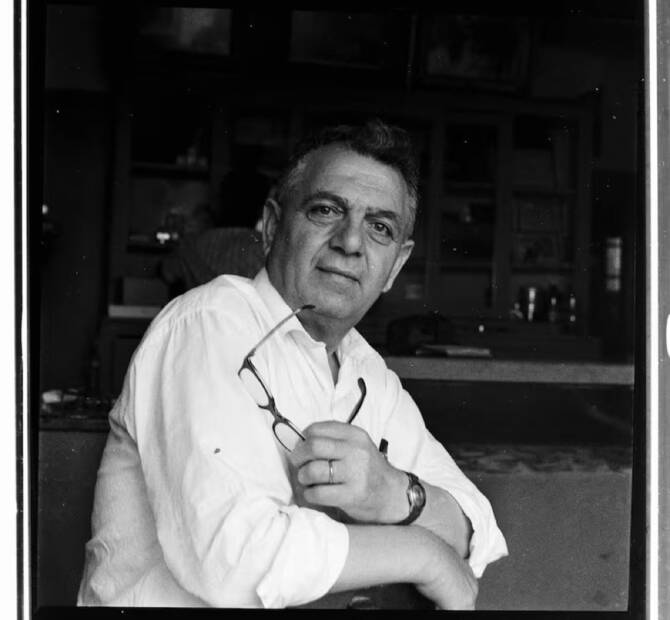
This is Gaza, before the horrors, captured through the lens of photographer Kegham Djeghalian, an Armenian genocide survivor who settled in Palestine in 1944.
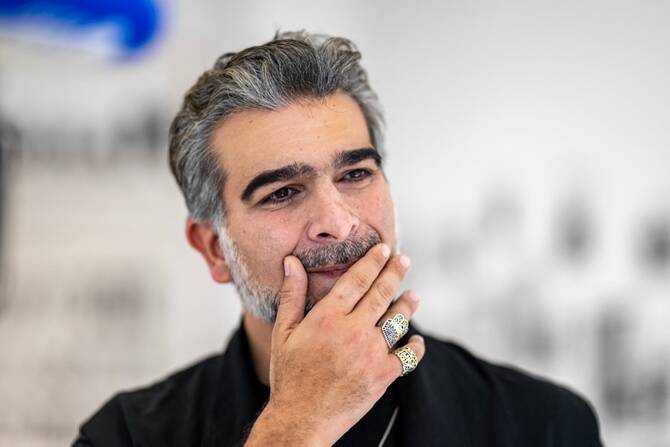
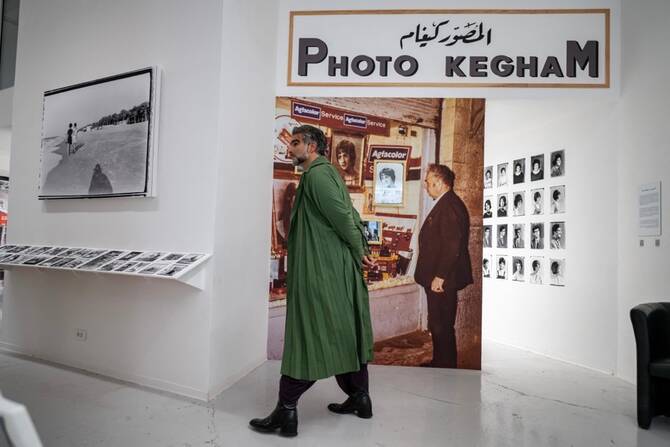
Now his grandson, Kegham Djeghalian Jr, a professor of fashion studies, image and design at the German International University in Cairo, has curated a collection of his grandfather’s recently rediscovered black-and-white photographs — poignant echoes of a better time that now seems impossibly distant.
The photographer’s own history is a snapshot of a region almost perpetually in turmoil. Born in 1915 in Anatolia, he and his mother escaped the Armenian genocide and reached Syria. After she died, he was taken in by the Birds’ Nest Orphanage in Byblos, Lebanon.

His grandson took up his story in a talk he gave at The Photographers’ Gallery in London in 2024.
“In the early 1930s, he moved to Jerusalem in British Mandate Palestine and worked a series of jobs, including for a tattoo practice for British battalion soldiers. In Jaffa, he met and married Zevart Nakashian, my grandmother.”
In Jaffa, he learned photography. In 1944 the couple moved to Gaza, where he set up Photo Kegham, which became “a key institution” in Gazan society.
“For almost four decades,” his grandson said, “Kegham steadily inscribed the photographic history and memory of Gaza through its turbulent transition periods under the British mandate, the Egyptian rule and the Israeli occupation of 1956 and of 1967 onwards, and, of course, the forced displacement of Palestinians to Gaza resulting from the Nakba of 1948.”
Kegham Djeghalian died in Gaza in 1981. He had “declined to leave Gaza at any point since 1944, even when his children moved to Egypt.” His photographs lay forgotten until 2018, when his son found three small red boxes in a closet in his home.

Other photographs have found their way to Djeghalian’s grandson from members of the Palestinian diaspora and he knew there were other images, still in Gaza.
The negatives were in the care of Marwan Tarazi, the brother of the photographer’s former assistant, but their fate is now unknown. Tarazi died in an Israeli airstrike on Oct. 19, 2023.
The photographs that Kegham Djeghalian Jr. has compiled for his travelling exhibition are all undated. Dating them, he has said, “would have forced viewers to view the photographs through the lens of the historical and political events in the enclave.”
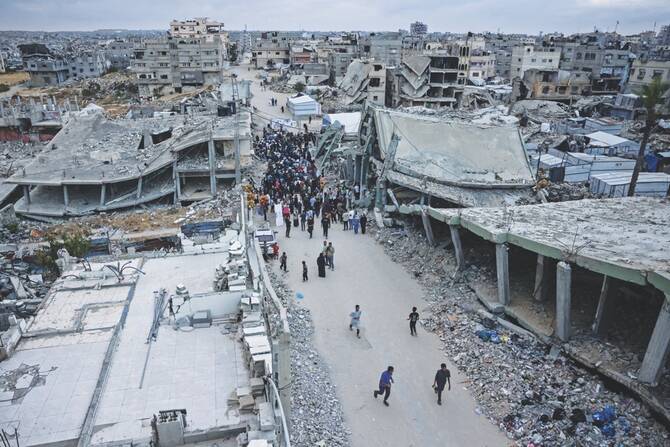
Instead, in the face of the ongoing disaster, the photographs are not only a poignant reminder of a time when Gazans lived normal lives, but also a whispered promise that such times might one day come again.
“Photo Kegham of Gaza: Unboxing an Unmade Archive” is on display at the Marseille Photo Centre in France until September.


