

Shubra Palace — Taif’s architectural landmark

1 / 5
The palace was converted into a museum in 1986. (SPA)
2 / 5
The palace was converted into a museum in 1986. (SPA)
3 / 5
The palace was converted into a museum in 1986. (SPA)
4 / 5
The palace was converted into a museum in 1986. (SPA)
5 / 5
The palace was converted into a museum in 1986. (SPA)
Short Url
Updated 20 September 2023
Follow

Shubra Palace — Taif’s architectural landmark

  • The building features an artistic fusion of Roman and Islamic architectural elements

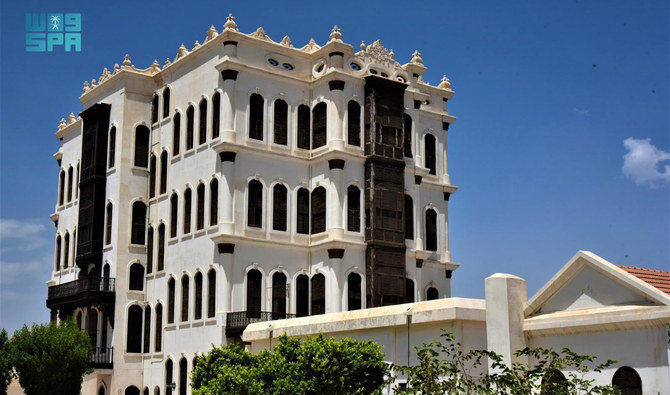
RIYADH: Saudi Arabia’s historic Shubra Palace in Taif governorate features an artistic fusion of Roman and Islamic architectural elements.

The palace blends the styles with the traditional architecture of the Hijaz region. It was built in 1905, with four floors and about 150 rooms. Its architecture bears witness to recent eras of the region’s history.

What distinguishes the palace is the precision in its construction and the rawashin, a term originally derived from the Persian word for balcony, that includes impressive artistic touches. Along with the rawashin, its columns, doors and windows are decorated with Islamic motifs.

The windows and doors of the palace are made of carved wood, and the ceilings are embroidered with decorative patterns and inscriptions. The roof’s wall features predominant Roman decoration, while the first floor is for reception and the upper floors are for living.

Shubra Palace is surrounded by trees on one of the main streets. It has two entrances; the main entrance is located on the west side and the other on the east side. It has four similar facades with columns made of lime mortar and stone.

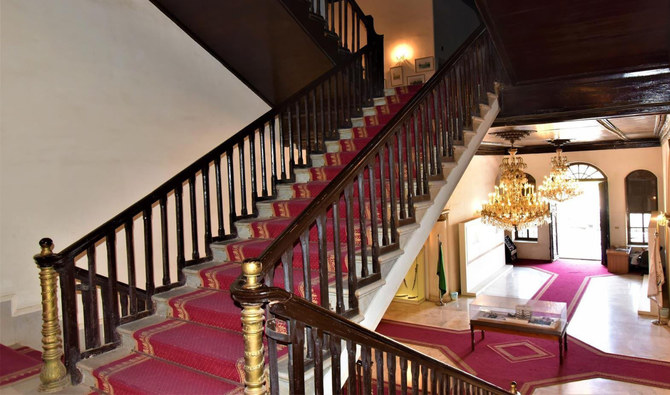
In the main hall of the palace, there is a large double wooden staircase with an exquisite marble floor, known as the “salmlik.” The staircase extends to the second floor, which has two wings that include large and small rooms. The walls of the inner rooms, columns, and corners have colorful decoration in the form of leaves, the edges of which are painted in gold.

Saudi Arabia’s founder, King Abdulaziz Al-Saud, used the historic Shubra Palace as his headquarters in Taif, and this continued during the reign of King Saud bin Abdulaziz Al-Saud.

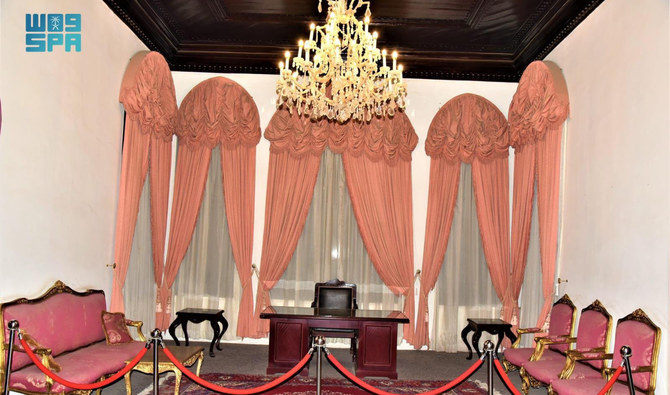
King Faisal bin Abdulaziz Al-Saud made it the seat of the presidency of the Council of Ministers when the government moved to Taif in the summer.

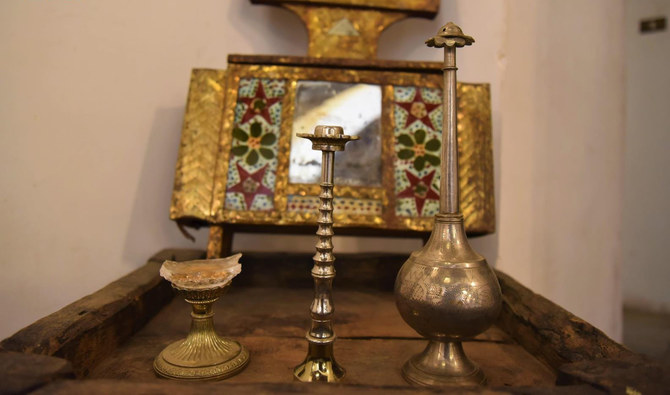
The palace later became the headquarters of the Ministry of Defense and Aviation. In the year 1986, the palace was converted into a museum.


Foreign ministers chair Saudi-Omani coordination council meeting in Muscat

Updated 23 December 2025
Follow

Foreign ministers chair Saudi-Omani coordination council meeting in Muscat

MUSCAT: Saudi Foreign Minister Prince Faisal bin Farhan met with Oman’s Foreign Minister Sayyid Badr bin Hamad Al-Busaidi on Monday.

They reviewed bilateral relations between their nations and ways to enhance and develop them across various fields. Additionally, they discussed regional and international developments.

The ministers co-chaired the third meeting of the Saudi-Omani Coordination Council in the Omani capital, Muscat, with the participation of the heads of the Council’s subsidiary committees and the two heads of the Council’s General Secretariat teams.

The meeting comes as an affirmation of the keenness of Saudi and Omani leaders to strengthen ties and advance them toward greater prosperity for both nations.

In his remarks during the meeting, Prince Faisal affirmed that gathering builds on the previous council meeting, held last year in AlUla, and on its positive and fruitful outcomes within the framework of the approved recommendations and initiatives. 

He stressed the importance of continuing the work of the council’s subsidiary committees to complete the necessary procedures to implement the remaining initiatives, and of the General Secretariat’s role in follow-up and in addressing any challenges that may hinder implementation.

He also underscored the importance of developing and enhancing trade relations, stimulating investment, and strengthening cooperation between the public and private sectors.

He also praised the ongoing work to establish and launch the Coordination Council’s electronic platform, which aims to connect all committee work and initiatives to facilitate follow-up on the Council’s progress. 

Al-Busaidi affirmed in his remarks the qualitative progress in relations between the two countries and the notable development witnessed across numerous sectors toward achieving economic integration and enhancing intra-trade and joint investments. 

The Omani foreign minister also highlighted deeper cooperation in the security and judicial fields, as well as the cultural and tourism sectors, noting the advanced and continuous political cooperation, consultation, and coordination on regional and international issues.