


LONDON: Numerous natural, archeological and architectural wonders have come to define Riyadh and Saudi Arabia’s national story. Below are short sketches of four of the more prominent ones.
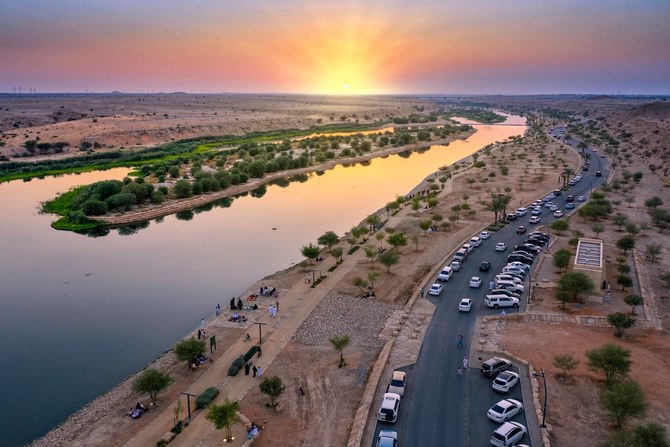
Wadi Hanifah
Of the many ancient seasonal waterways fed by the slopes of the 800 km-long Tuwaiq mountain range that cuts through the Najd plateau, it is Wadi Hanifah that has played the most significant role in the history of Saudi Arabia.
In 1446 Ibn Dir, the ruler of Hajr, a town on the site of modern-day Riyadh, offered land on the fertile banks of the wadi to his cousin, Manaa’ Al-Muraide, leader of the Marada clan of Al-Duru tribe of Bani Hanifah.
The clan originated in central Arabia, but generations ago migrated east to settle near Qatif on the shores of the Gulf, at a place they named Diriyah, after their tribal name.
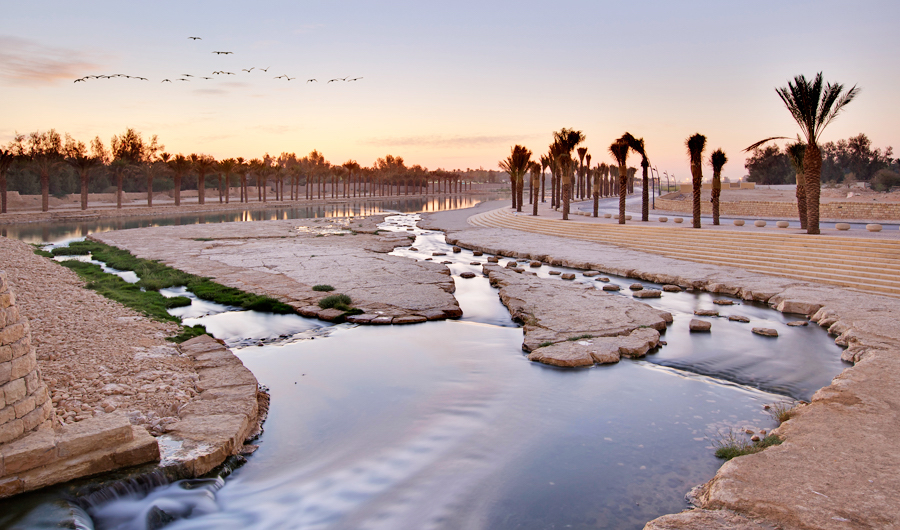
Wadi Hanifah. (Supplied)
Al-Muraide accepted Ibn Dir’s invitation and led his people back to their roots, naming their new home Diriyah after their old settlement and transforming the land into a productive oasis, nourished by the fertile soil of Wadi Hanifah.
Ever since the wadi, for centuries a silent witness to epoch-defining triumphs and tragedies, has flowed through the story of Saudi Arabia, nourishing the land and its people.
Today Wadi Hanifah, restored and rejuvenated to its former glory, is at the heart of the transformation of Diriyah into a global tourism destination focused on the culture and heritage of this historic region.
Diriyah
Diriyah rose to prominence in about 1720, when Saud ibn Mohammed of Al-Muqrin assumed the leadership of the town, founding the House of Saud and paving the way for the foundation of the First Saudi State in 1727 by his son and successor Imam Mohammed.
Under Mohammed and the three subsequent rulers of Diriyah, the power, wealth and influence of the state grew rapidly, until by 1811 it ruled an area larger than that of the modern-day Kingdom of Saudi Arabia.
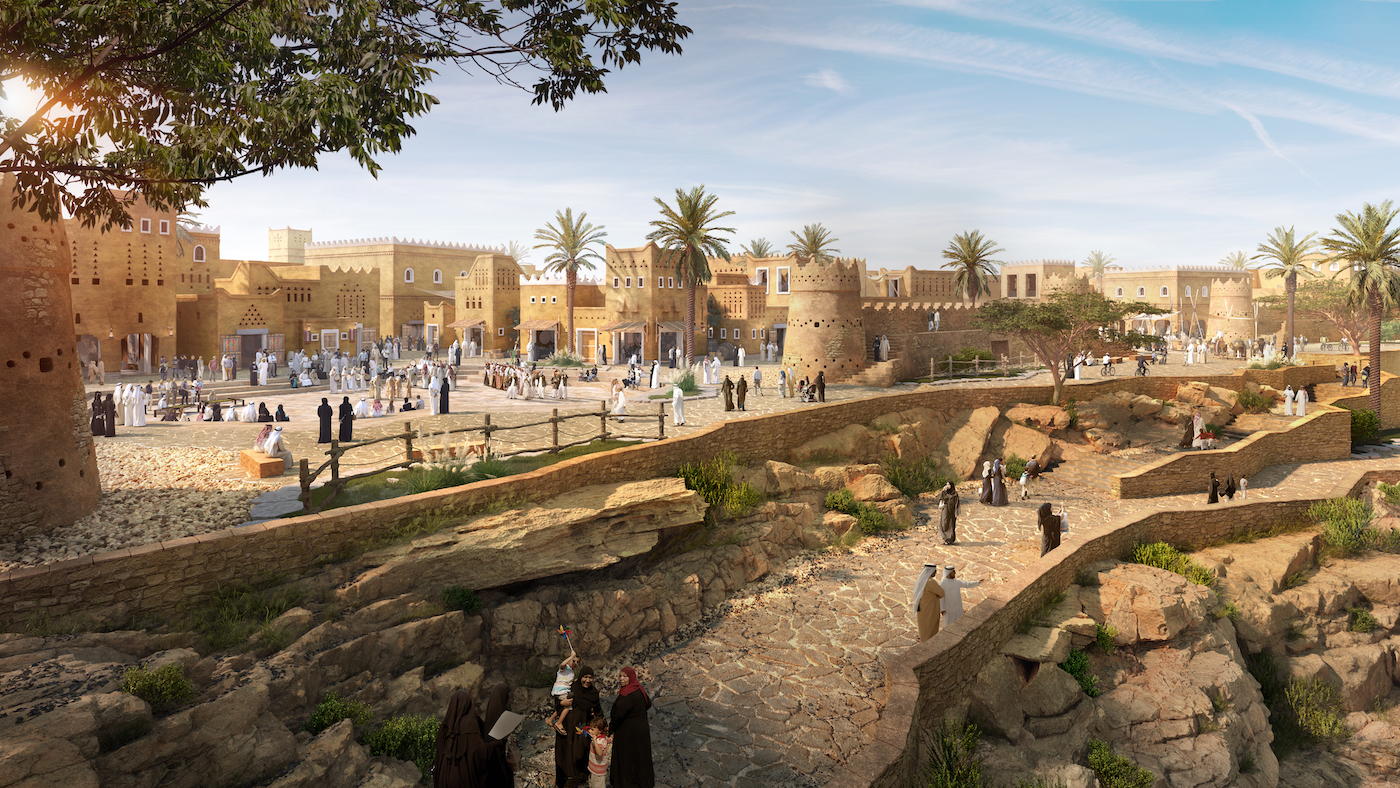
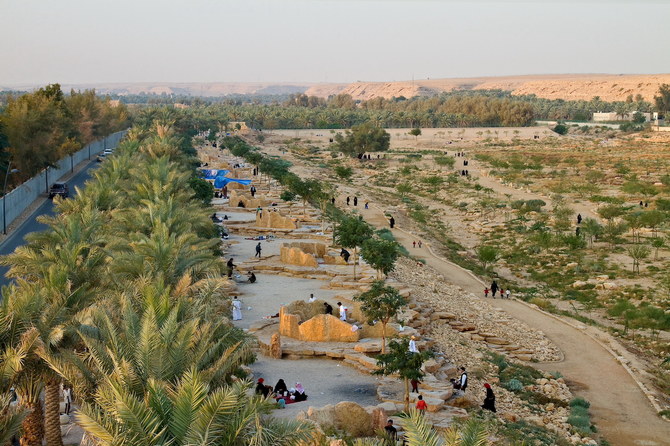
Diriyah Gate’s escarpment walk. (Supplied)
In 2010 the mud-brick At-Turaif district of Diriyah, home of the forebears of the Saudi royal family, was listed as a UNESCO World Heritage site.
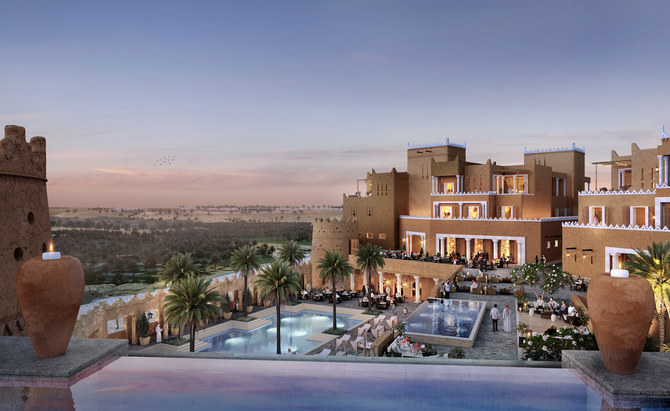
In 2019 King Salman laid the foundation stone of the Diriyah Gate project, a 7 sq. km development built in the unique Najd style of mud-brick architecture, which now is nearing completion as a global cultural and lifestyle destination, hosting museums, galleries, restaurants, shops, homes, public squares, hotels, recreational spaces, educational institutions.
Masmak Fortress
After the defeat of 1818, Saudi fortunes ebbed and flowed for the next 84 years, until, in 1902, a 26-year-old prince grew tired of his life in exile in Kuwait.
Abdulaziz ibn Abdul Rahman Al-Saud, who would achieve worldwide fame as Ibn Saud, the man who would go on to found the Kingdom of Saudi Arabia, led a small party of warriors west to Riyadh, attacking Masmak Fortress, driving out the rival Rashidi forces and reclaiming his family’s rightful heritage.
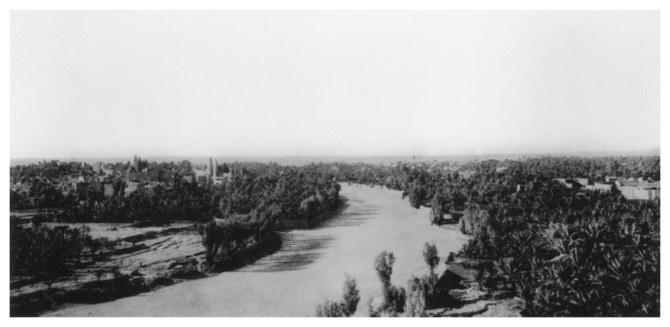
In a photograph taken in 1912, the mud-brick turrets of the fort loom large behind the city walls, looking out over nothing but the open land beyond. Today the fort is in the very heart of the city.
The walls have gone, swept away in the 1950s by the rapid growth of the Saudi capital, but the fort remains as a museum and a precious protected symbol of the hard path and heroic endeavors that led ultimately to the creation of the Kingdom of Saudi Arabia.
Qasr Al-Murabba
Completed in 1938, the “Square Castle” has a particular historic significance in the story of Riyadh.
Following the foundation of the Kingdom of Saudi Arabia in 1932, the Qasr Al-Hokm, where King Abdulaziz had masterminded his decades-long campaign of unification, was no longer large enough to serve as the base for the government of the new nation.
The decision was made to create a new, purpose-built seat of government and the Qasr Al-Murabba was built on land 2 km to the north of the old city.
It was the first development of any size outside the city walls, and paved the way for the first major expansion of Riyadh beyond its original confines.
It was also the last major mud-brick building to be constructed in a capital on the verge of the modern era shortly to be ushered in by the discovery of oil.
In 1933, King Abdulaziz granted the Kingdom’s first concession to Standard Oil of California, forerunner of Aramco, and on March 4, 1938, the year the Qasr Al-Murabba was completed, a test well drilled at Dammam struck oil in commercial quantities for the first time.
Today Al-Murabba stands at the heart of the King Abdulaziz Historical Center, a cultural campus comprising the King Abdulaziz Foundation for Research and Archives, or Darah, the King Abdulaziz Grand Mosque, and the National Museum of Saudi Arabia, all housed in buildings created using traditional Najdi architectural style and materials.
-----------------------------
Riyadh: From ancient city to Expo hopeful
1446: Manaa’ Al-Muraide, leader of the Marada clan of the Al-Duru tribe, settles on the fertile banks of Wadi Hanifa.
1720: Saud bin Mohammed Al-Muqrin assumes leadership of Diriyah, northwest of present-day Riyadh.
1727: Mohammed bin Saud Al-Muqrin founds the First Saudi State with Diriyah as its capital.
1746: Riyadh established by Dahham bin Dawwas.
1818-1821: Diriyah attacked and destroyed by Ottomans, ending First Saudi State.
1824: Riyadh becomes capital of the Emirate of Nejd when Turki bin Abdullah bin Mohammed Al-Saud founds the Second Saudi State.
1865: Masmak Fort built under the instructions of Abdulrahman bin Sulaiman bin Dabaan, the prince of Riyadh.
1891: Second Saudi State toppled by Ottomans, Riyadh taken over by Rashids.
1902: Ibn Saud commands raid on Masmak Fort, recaptures Riyadh, founds Kingdom of Saudi Arabia.
1910: Population: 14,000.
1919: Royal family relocates to Riyadh.
1930: Population: 27,000.
1932: Riyadh becomes capital of newly unified Kingdom of Saudi Arabia.
1936: Construction of Qasr Al-Murabba commissioned by Ibn Saud.
1945: Qasr Al-Murabba completed. Red Palace commissioned.
1950: Old city wall dismantled.
1957: King Saud University opens. Nasiriyah royal residential district built.
1962: Population: 169,185.
1963: Salman bin Abdulaziz Al-Saud, later King Salman, becomes governor of Riyadh Province.
1974: Population: 666,840.
1978: Riyadh TV Tower built.
1981: Riyadh railway station opens.
1983: King Khalid International Airport opens 35 km north of Riyadh.
1985: Tuwaiq Palace built.
1986: Diplomatic Quarter Mosque constructed, winning Arab Cities Award for Architecture in 1990.
1987: Population: 1,417,000. King Fahd International Stadium and GCC headquarters built.
1995: Masmak Fort museum opens.
1997: Population: 3,100,000.
1999: National Museum of Saudi Arabia established.
2001: Population: 4,137,000.
2010: Population: 5,188,286. At-Turaif district in Diriyah listed as UNESCO World Heritage site.
2012: Abdullah bin Abdul Rahman Al-Mogbel becomes mayor of Riyadh.
2013: King Abdullah Environmental Park inaugurated.
2019: Royal Commission for Riyadh City established. King Salman lays foundation stone for Diriyah Gate project.
2020: King Salman Park announced as part of Green Riyadh. City hosts G20 summit.
2023: Riyadh makes formal bid to host World Expo 2030.


