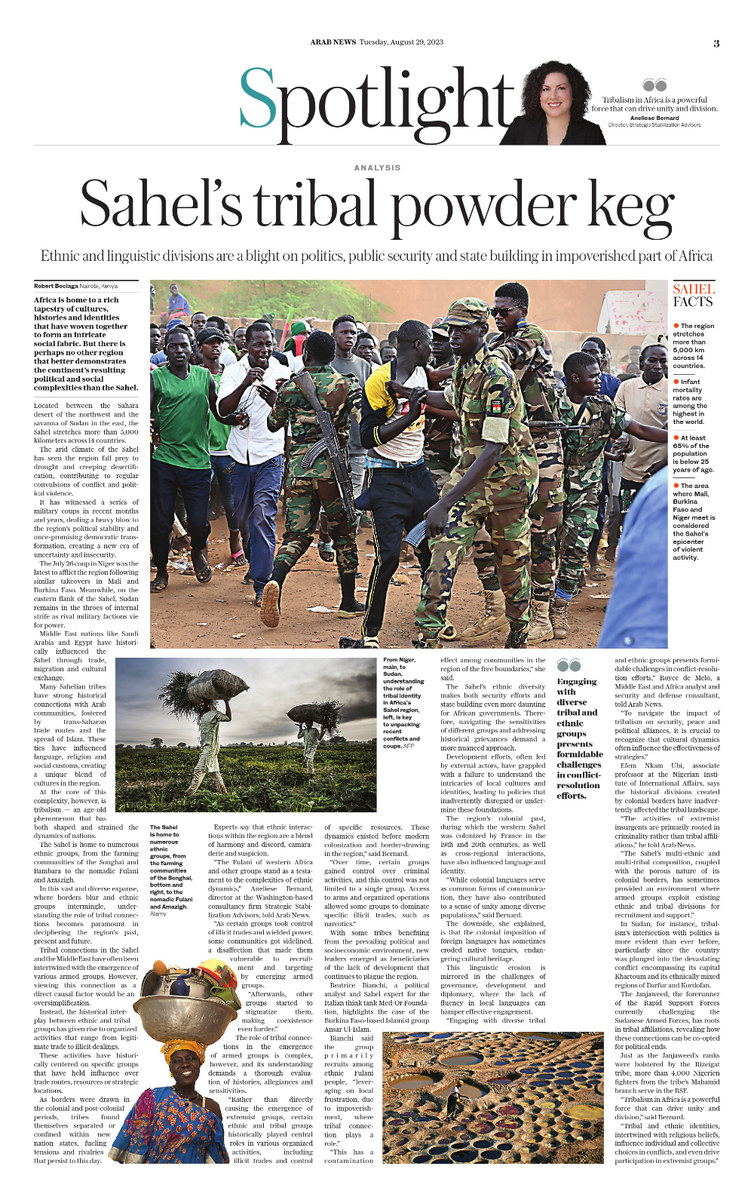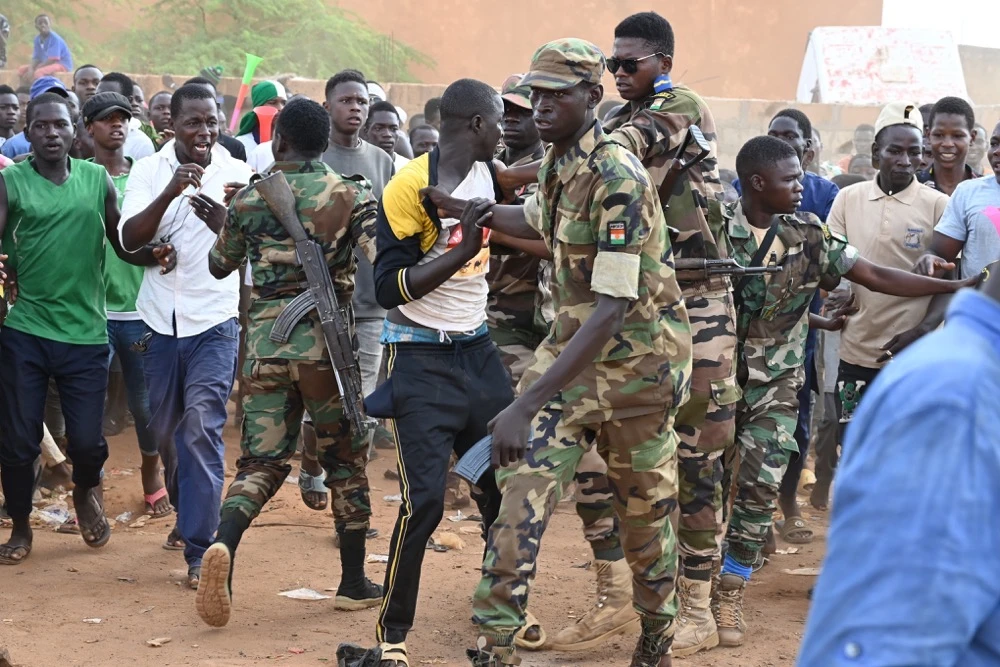
- From Niger to Sudan, understanding the role of tribalism is key to unpacking recent conflicts and coups
- Security analysts say militant groups exploit geography, criminal networks and tribal divisions for recruitment
NAIROBI, Kenya: Africa is home to a rich tapestry of cultures, histories and identities that have woven together to form an intricate social fabric. But there is perhaps no other region that better demonstrates the continent’s resulting political and social complexities than the Sahel.
Located between the Sahara desert of the northwest and the savanna of Sudan in the east, the Sahel stretches more than 5,000 kilometers across 14 countries.
The arid climate of the Sahel has seen the region fall prey to drought and creeping desertification, contributing to regular convulsions of conflict and political violence.
It has witnessed a series of military coups in recent months and years, dealing a heavy blow to the region’s political stability and once-promising democratic transformation, creating a new era of uncertainty and insecurity.
The July 26 coup in Niger was the latest to afflict the region following similar takeovers in Mali and Burkina Faso. Meanwhile, on the eastern flank of the Sahel, Sudan remains in the throes of internal strife as rival military factions vie for power.
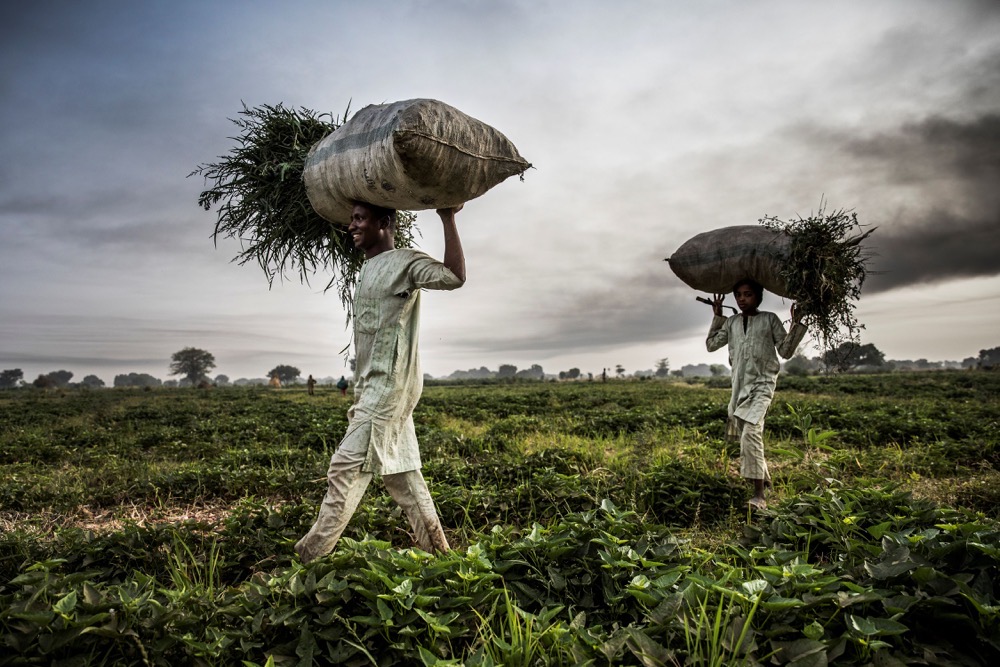
Middle East nations like Saudi Arabia and Egypt have historically influenced the Sahel through trade, migration and cultural exchange.
Many Sahelian tribes have strong historical connections with Arab communities, fostered by trans-Saharan trade routes and the spread of Islam. These ties have influenced language, religion and social customs, creating a unique blend of cultures in the region.
At the core of this complexity, however, is tribalism — an age-old phenomenon that has both shaped and strained the dynamics of nations.
The Sahel is home to numerous ethnic groups, from the farming communities of the Songhai and Bambara to the nomadic Fulani and Amazigh.
In this vast and diverse expanse, where borders blur and ethnic groups intermingle, understanding the role of tribal connections becomes paramount in deciphering the region’s past, present and future.
Tribal connections in the Sahel and the Middle East have often been intertwined with the emergence of various armed groups. However, viewing this connection as a direct causal factor would be an oversimplification.
Instead, the historical interplay between ethnic and tribal groups has given rise to organized activities that range from legitimate trade to illicit dealings.
These activities have historically centered on specific groups that have held influence over trade routes, resources or strategic locations.
As borders were drawn in the colonial and post-colonial periods, tribes found themselves separated or confined within new nation states, fueling tensions and rivalries that persist to this day.
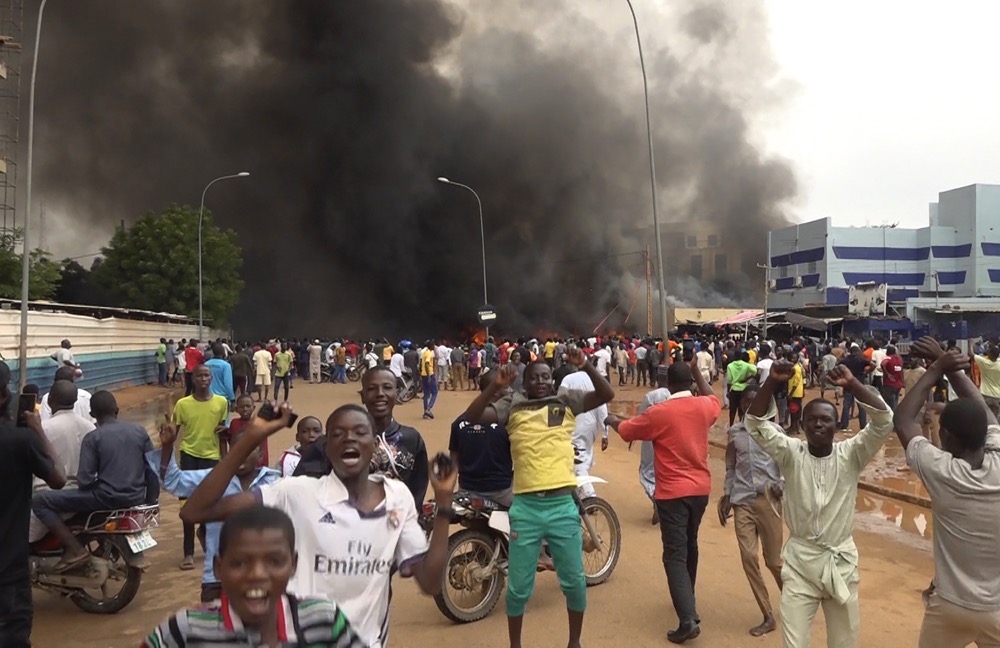
Experts say that ethnic interactions within the region are a blend of harmony and discord, camaraderie and suspicion.
“The Fulani of western Africa and other groups stand as a testament to the complexities of ethnic dynamics,” Aneliese Bernard, director at the Washington-based consultancy firm Strategic Stabilization Advisors, told Arab News.
“As certain groups took control of illicit trades and wielded power, some communities got sidelined, a disaffection that made them vulnerable to recruitment and targeting by emerging armed groups.
“Afterwards, other groups started to stigmatize them, making coexistence even harder.”
The role of tribal connections in the emergence of armed groups is complex, however, and its understanding demands a thorough evaluation of histories, allegiances and sensitivities.
“Rather than directly causing the emergence of extremist groups, certain ethnic and tribal groups historically played central roles in various organized activities, including illicit trades and control of specific resources. These dynamics existed before modern colonization and border-drawing in the region,” said Bernard.
“Over time, certain groups gained control over criminal activities, and this control was not limited to a single group. Access to arms and organized operations allowed some groups to dominate specific illicit trades, such as narcotics.”
With some tribes benefiting from the prevailing political and socioeconomic environment, new leaders emerged as beneficiaries of the lack of development that continues to plague the region.
SAHEL FACTS
• The region stretches more than 5,000 km across 14 countries.
• Infant mortality rates are among the highest in the world.
• At least 65% of the population is below 25 years of age.
• The area where Mali, Burkina Faso and Niger meet is considered the Sahel’s epicenter of violent activity.
Beatrice Bianchi, a political analyst and Sahel expert for the Italian think tank Med-Or Foundation, highlights the case of the Burkina Faso-based Islamist group Ansar Ul-Islam.
Bianchi said the group primarily recruits among ethnic Fulani people, “leveraging on local frustration, due to impoverishment, where tribal connection plays a role.”
“This has a contamination effect among communities in the region of the free boundaries,” she said.
The Sahel’s ethnic diversity makes both security efforts and state building even more daunting for African governments. Therefore, navigating the sensitivities of different groups and addressing historical grievances demand a more nuanced approach.
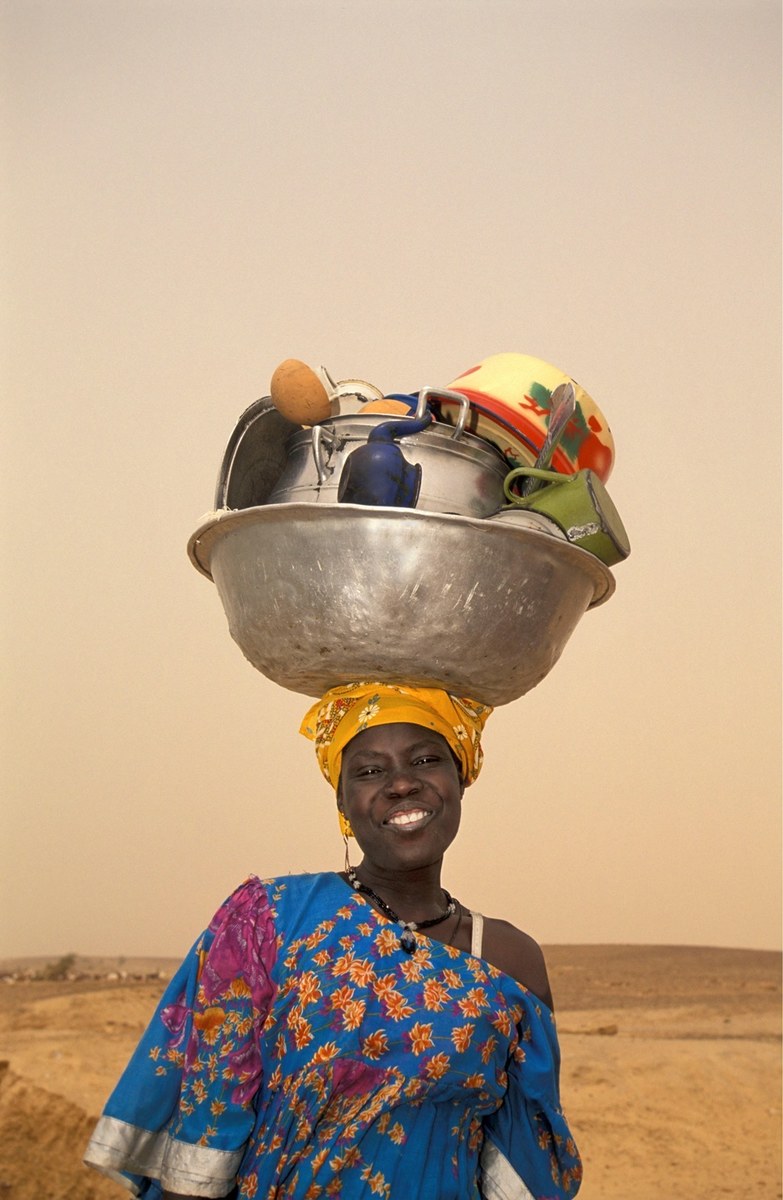
Development efforts, often led by external actors, have grappled with a failure to understand the intricacies of local cultures and identities, leading to policies that inadvertently disregard or undermine these foundations.
The region’s colonial past, during which the western Sahel was colonized by France in the 19th and 20th centuries, as well as cross-regional interactions, have also influenced language and identity.
“While colonial languages serve as common forms of communication, they have also contributed to a sense of unity among diverse populations,” said Bernard.
The downside, she explained, is that the colonial imposition of foreign languages has sometimes eroded native tongues, endangering cultural heritage.
This linguistic erosion is mirrored in the challenges of governance, development and diplomacy, where the lack of fluency in local languages can hamper effective engagement.
“Engaging with diverse tribal and ethnic groups presents formidable challenges in conflict-resolution efforts,” Royce de Melo, a Middle East and Africa analyst and security and defense consultant, told Arab News.
“To navigate the impact of tribalism on security, peace and political alliances, it is crucial to recognize that cultural dynamics often influence the effectiveness of strategies.”
Efem Nkam Ubi, associate professor at the Nigerian Institute of International Affairs, says the historical divisions created by colonial borders have inadvertently affected the tribal landscape.
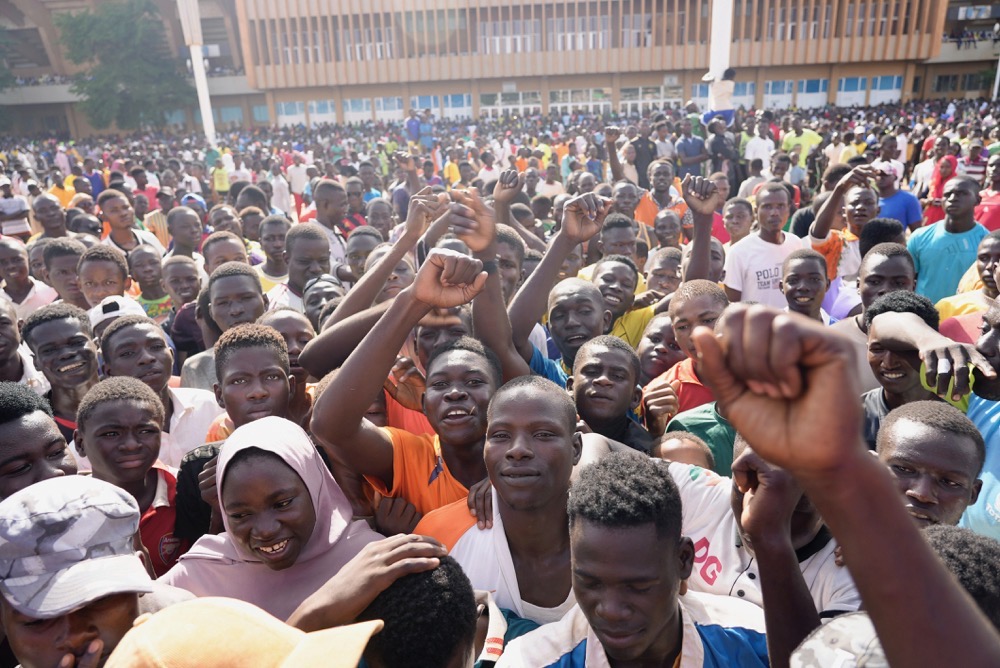
“The activities of extremist insurgents are primarily rooted in criminality rather than tribal affiliations,” he told Arab News.
“The Sahel’s multi-ethnic and multi-tribal composition, coupled with the porous nature of its colonial borders, has sometimes provided an environment where armed groups exploit existing ethnic and tribal divisions for recruitment and support.”
In Sudan, for instance, tribalism’s intersection with politics is more evident than ever before, particularly since the country was plunged into the devastating conflict encompassing its capital Khartoum and its ethnically mixed regions of Darfur and Kordofan.
The Janjaweed, the forerunner of the Rapid Support Forces currently challenging the Sudanese Armed Forces, has roots in tribal affiliations, revealing how these connections can be co-opted for political ends.
Just as the Janjaweed’s ranks were bolstered by the Rizeigat tribe, more than 4,000 Nigerien fighters from the tribe’s Mahamid branch serve in the RSF.
“Tribalism in Africa is a powerful force that can drive unity and division,” said Bernard.
“Tribal and ethnic identities, intertwined with religious beliefs, influence individual and collective choices in conflicts, and even drive participation in extremist groups.”