Pakistan to hold ‘first-ever’ minerals summit on August 1 — state TV

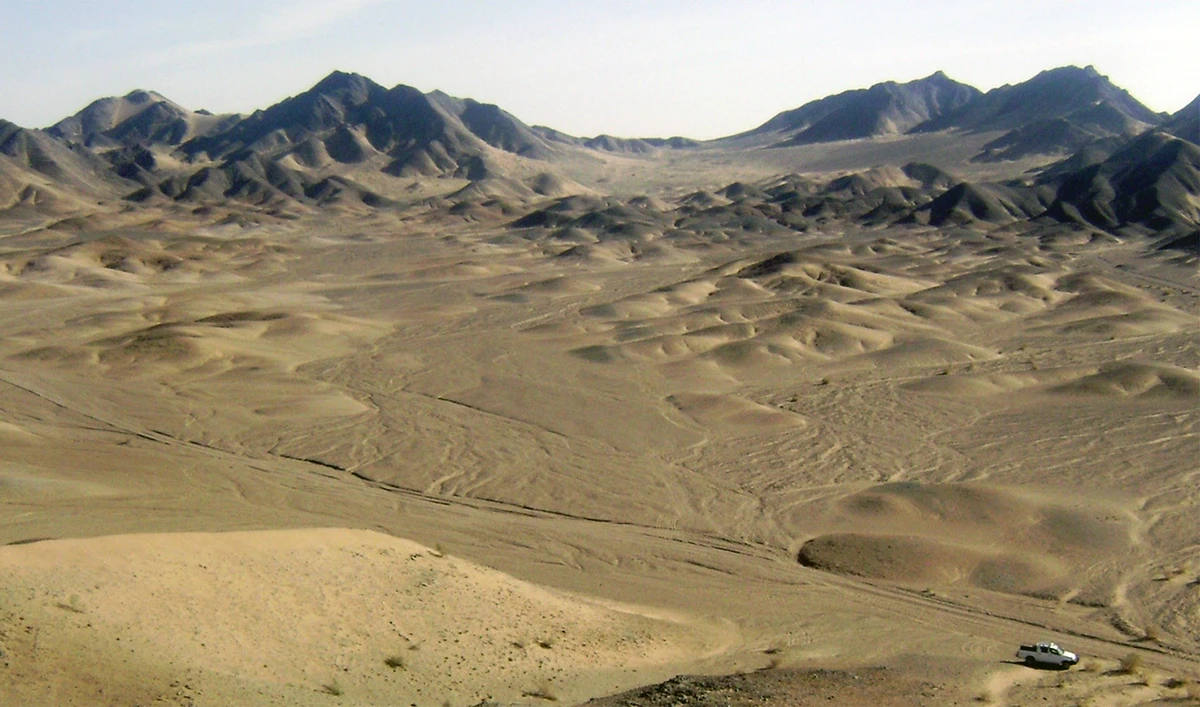
The undated photo shows Reko Diq site in Pakistan's province of Balochistan. (Barrick Gold)
Short Url
Updated 30 July 2023
Follow

Pakistan to hold ‘first-ever’ minerals summit on August 1 — state TV

  • The South Asian country has vast reserves of metallic and non-metallic mineral reserves, including those of gold and copper
  • Besides oil and gas exploration, the precious gemstone and marble industries have also flourished in Pakistan in recent years

ISLAMABAD: The Pakistani government will be holding a “first-ever” mineral summit in the country on August 1 to explore vast potential of the minerals industry, the state TV reported on Sunday. 

The South Asian country has vast reserves of several metallic and non-metallic mineral reserves, including those of gold, copper, iron, chromite, barites, gypsum, and rock salt. 

Along with oil and gas exploration, the precious gemstone and marble industry has also been flourishing in Pakistan, with its geostrategic location providing huge opportunities for related industries in the global market. 

“Government of Pakistan is organizing first-ever Pakistan Minerals Summit on Aug 1,” the state-run Radio Pakistan broadcaster reported. “The highly anticipated event aims to explore and capitalize on vast potential of minerals industry.” 

The development comes a month after Pakistan established the Special Investment Facilitation Council (SIFC) to address the cash-strapped nation’s economic woes by drawing international attention to business opportunities in the fields of agriculture, mining, information technology and defense production in Pakistan. 

The council has reportedly approved nearly two dozen projects worth billions of dollars, including the construction of Diamer-Bhasha dam and mining operations at Reko Diq in Balochistan’s Chagai district. 

In a separate move to boost foreign and domestic investments, the government this month approved the Pakistan Investment Policy (PIP) 2023 as well to attract investors by adopting best practices and providing an optimal investment climate. 

The new policy, developed in consultation with the World Bank and the International Finance Corporation, is expected to attract up to $25 billion in investment over the next few years, according to officials. 


Pakistan condemns Sudan attack that killed Bangladeshi UN peacekeepers, calls it war crime

Updated 14 December 2025
Follow

Pakistan condemns Sudan attack that killed Bangladeshi UN peacekeepers, calls it war crime

  • Six peacekeepers were killed in a drone strike in Kadugli as fighting between Sudan’s army and the RSF grinds on
  • Pakistan, a major troop contributor to the UN, says perpetrators of the attack must be identified, brought to justice

ISLAMABAD: Pakistan on Sunday extended condolences to the government and people of Bangladesh after six United Nations peacekeepers from the country were killed in a drone strike in southern Sudan, condemning the attack and describing it as a war crime.

The attack took place amid a full-scale internal conflict that erupted in April 2023 between the Sudanese Armed Forces (SAF) and the Rapid Support Forces (RSF), a powerful paramilitary group, following a power struggle after the collapse of Sudan’s post-Bashir political transition.

Omar Al-Bashir, who ruled Sudan for nearly three decades, was ousted by the military in 2019 after months of mass protests, but efforts to transition to civilian rule later faltered, plunging the country back into violence that has since spread nationwide.

The drone strike hit a logistics base of the United Nations Interim Security Force for Abyei (UNISFA) in Kadugli, the capital of South Kordofan state, on Saturday, killing the Bangladeshi peacekeepers. Sudan’s army blamed the RSF for the attack, though there was no immediate public claim of responsibility.

“Pakistan strongly condemns the attack on @UNISFA in Kadugli, resulting in the tragic loss of 6 Bangladeshi peacekeepers & injuries to several others,” the country’s permanent mission to the UN said in a social media message. “We honor their supreme sacrifice in the service of peace, and express our deepest condolences to the government and people of #Bangladesh.”

“Such heinous attacks on UN peacekeepers amount to war crimes,” it added. “Perpetrators of this horrific attack must be identified and brought to justice. As a major troop-contributing country, we stand in complete solidarity with all Blue Helmets serving the cause of peace in the perilous conditions worldwide.”

According to Pakistan’s UN mission in July, the country has deployed more than 235,000 peacekeepers to 48 UN missions across four continents over the past eight decades.

Pakistan also hosts one of the UN’s oldest peacekeeping operations, the United Nations Military Observer Group in India and Pakistan (UNMOGIP), and is a founding member of the UN Peacebuilding Commission.

More than 180 Pakistani peacekeepers have lost their lives while serving under the UN flag.

Pakistan and Bangladesh have also been working in recent months to ease decades of strained ties rooted in the events of 1971, when Bangladesh — formerly part of Pakistan — became independent following a bloody war.

Relations have begun to shift following the ouster of former Bangladeshi prime minister Sheikh Hasina last year amid mass protests.

Hasina later fled to India, Pakistan’s neighbor and arch-rival, creating space for Islamabad and Dhaka to rebuild their relationship.