



RIYADH: With metals and mining being identified as one of the 13 strategic sectors to focus on to achieve the goals outlined in Vision 2030, the Kingdom’s sovereign wealth fund’s joint venture with Saudi Arabian Mining Co., also known as Ma’aden, will help unlock the potential of the mineral wealth in the nation, a top official said.
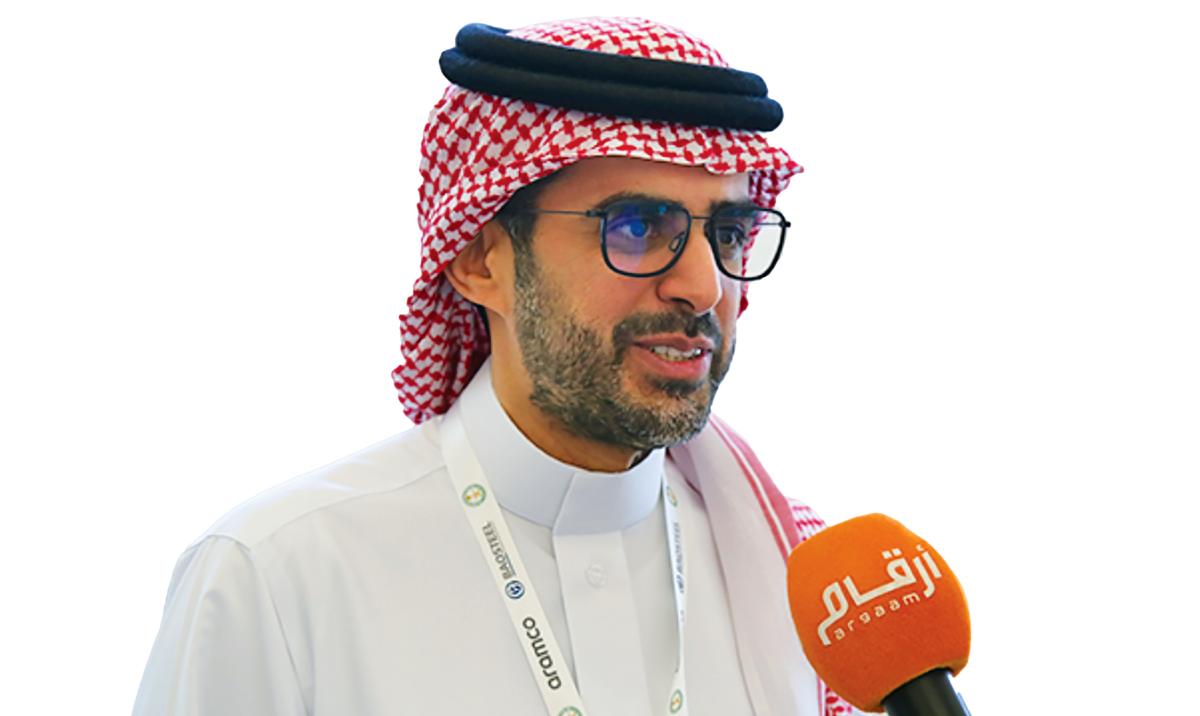
In an interview with Arab News, Mohammed Aldawood, head of industrials and mining sector for Middle East and North Africa investments at the Public Investment Fund, said that the joint venture will help to establish the mining sector as the third pillar of the Kingdom’s economy, along with providing an opportunity to explore new territories.
“We (PIF) plan to support the growth of mining as a key enabler of this mission to help establish the industry as the third pillar of the economy. Saudi Arabia is fortunate to be endowed with healthy mineral reserves that are currently underexplored. We estimate that there is as much as $1.3 trillion in untapped resources sitting under the ground in the country,” said Aldawood.
He added: “This is a really exciting development that is going to give the PIF and Ma’aden an extensive international footprint in the mining space. It’s going to give the partners a platform to access minerals not available in Saudi Arabia and gives us an opportunity to move into new geographical territories.”
It was in January that Ma’aden and the PIF agreed to form a joint venture to invest in mining assets globally.
Ma’aden will own 51 percent of the venture while the PIF will own 49 percent.
The new venture’s strategy will initially focus on investing in iron ore, copper, nickel and lithium as a non-operating partner taking minority equity positions.
Mohammed Aldawood, Head of industrials and mining sector for Middle East and North Africa investments at PIF
Aldawood said that the new venture’s strategy “will initially focus on investing in iron ore, copper, nickel and lithium as a non-operating partner taking minority equity positions.”
“When we commence the partnership, the company’s paid-up capital will amount to $50 million and we will review that as operations grow. We have agreed if additional funding is required, both PIF and Ma’aden will fund the new company up to $3.12 billion,” he added.
Rising demand for critical minerals
Aldawood also talked about the growing electric vehicle market segment where the demand for critical minerals is growing, amid insufficient investments globally by mining firms.
Citing consultancy firm Wood Mackenzie, Aldawood said that mining companies will need to invest nearly $1.7 trillion over the next decade to accelerate the shift to a low-carbon world.
The PIF official further said that the fund will work with large mining companies and trading houses in developing projects to address the acute shortage of future minerals as the world undergoes an energy transition where demand for critical minerals will rise sky-high.
“Through our JV with Ma’aden and our combined skills sets and knowledge of the industry, I am confident that we will play a role in the critical minerals supply response for the EV value chain. We’ll work with large mining companies and trading houses in developing projects that address an expected acute shortage in future minerals and ensure that Saudi Arabia retains a leading position,” Aldawood added.
HIGHLIGHTS
• The official discussed the growing electric vehicle market segment where the demand for critical minerals is growing, amid insufficient investments globally by mining firms.
• Citing consultancy firm Wood Mackenzie, he said that mining companies will need to invest nearly $1.7 trillion over the next decade to accelerate the shift to a low-carbon world.
• The PIF official said the fund will work with large mining companies and trading houses in developing projects to address the acute shortage of future minerals.
According to Aldawood, the PIF is committed to bringing core mining projects to life, supplying the world with critical minerals, and helping to meet decarbonization targets at the same time.
“The PIF has all the right attributes to be successful in this journey. We have access to capital and the appetite to invest globally and across the life cycle of an asset,” he said.
JV with Baosteel and Saudi Aramco
In May, the PIF, Saudi Arabian Oil Co. and China-based Baoshan Iron & Steel Co. signed a shareholders’ agreement to establish an integrated steel plate manufacturing complex in the Kingdom.
Aldawood said that this new facility will be the first of its kind in the Gulf Cooperation Council region, and will help advance the regional steel industry ecosystem.
“The project aims to enhance the domestic manufacturing sector through localizing the production of heavy steel plates, transferring knowledge and creating additional export opportunities. It’s a significant investment and a vital development for the industry,” Aldawood noted.
This JV complex is expected to be located in Ras Al-Khair Industrial City, and the facility would have a steel plate production capacity of up to 1.5 million tons per year.
According to Aldawood, this investment decision has been made to significantly reduce the reliance on imported steel and to serve more customers in several strategic industrial sectors including pipelines, shipbuilding, rig manufacturing, offshore platform fabrication plus tank and pressure vessel manufacturing.
“As with our investment in the mining sector, the investment aligns with the PIF’s strategy to unlock the capabilities of promising sectors and strategically important industries that can drive diversification of the local economy,” Aldawood concluded.


