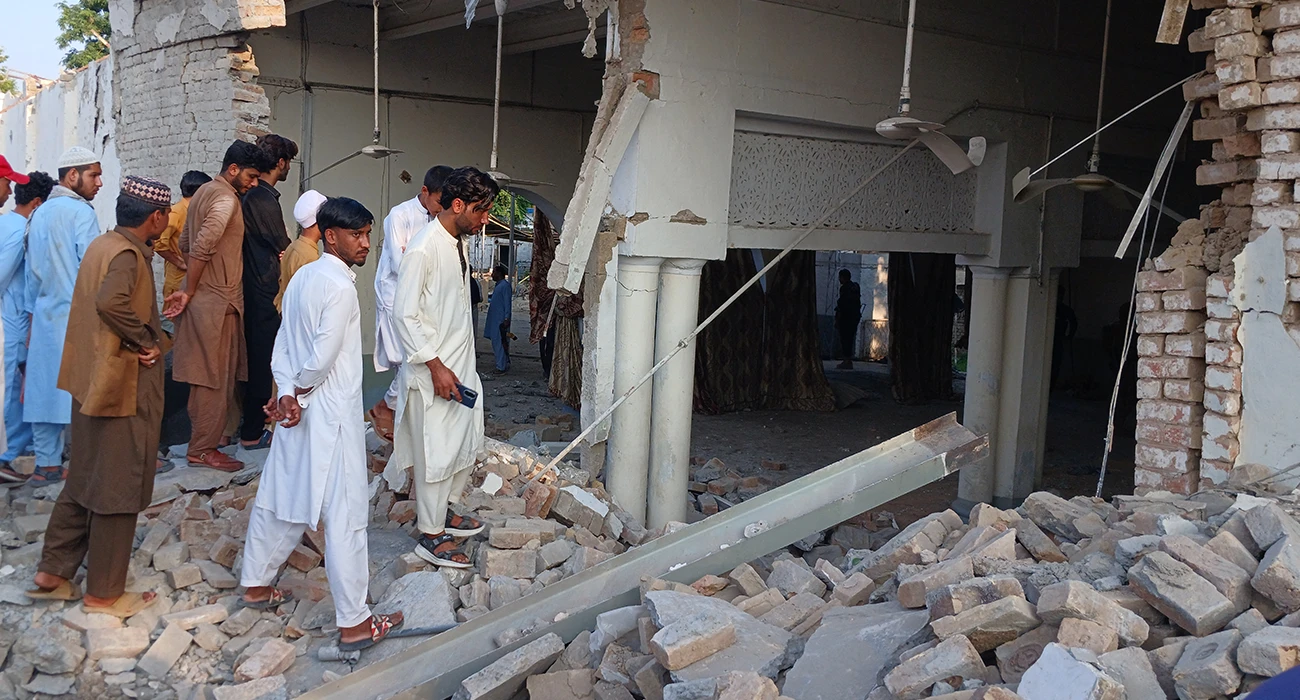
- A 7.8-magnitude earthquake jolted parts of Turkiye, Syria on February 6, killing over 50,000
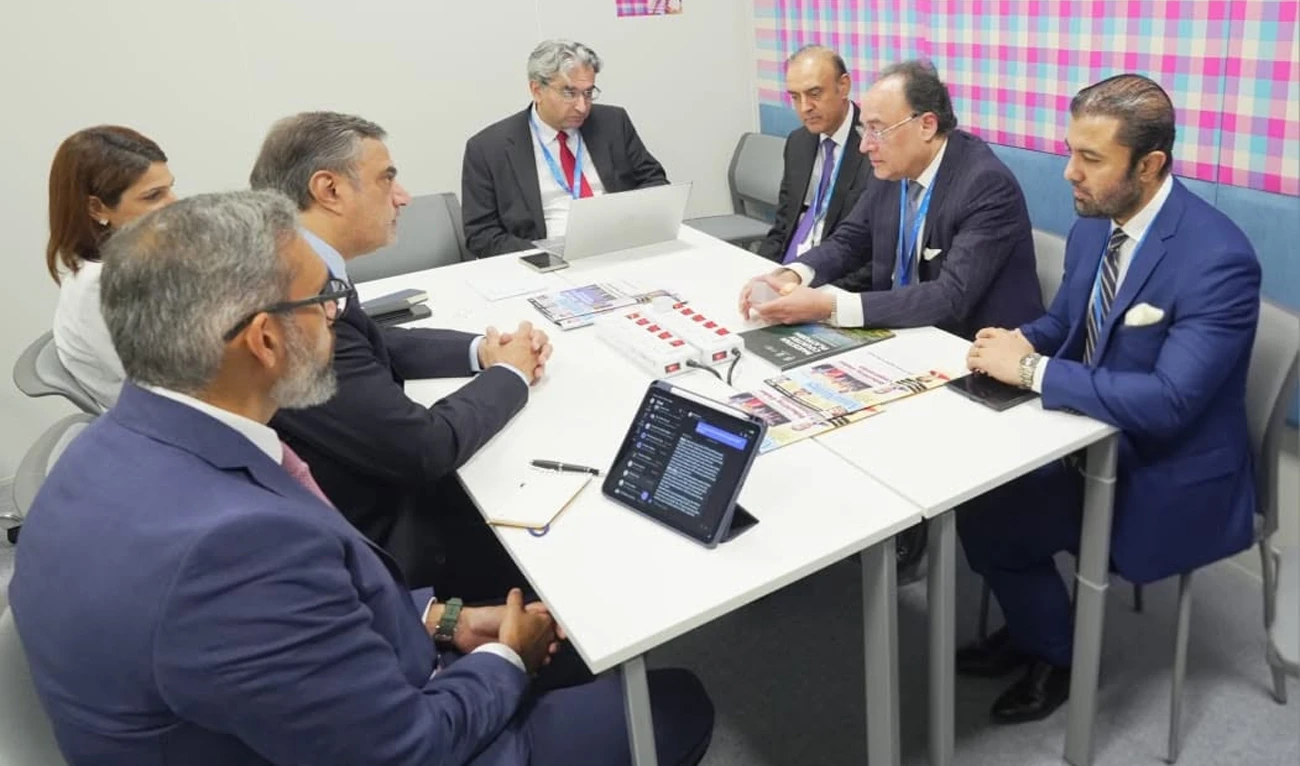
- The South Asian country is one of the leading producers and exporters of high-quality tents
KARACHI: Pakistani tent and blankets manufacturers say they are operating at “more than full capacity” as they cater to the demands of earthquake victims in Turkiye and Syria as well as millions displaced by last year’s cataclysmic floods in Pakistan.
A 7.8-magnitude earthquake jolted parts of Turkiye and Syria on February 6, killing over 50,000 in the former while an estimated 6,000 in the latter. Pakistan is one of the leading countries that have sent food, winterized tents, blankets and other relief items for the two countries’ earthquake victims.
The South Asian country is the leading producer and exporter of high-quality tents that include camping tents, relief tents, military tents, and event tents. The National Tent House (NTH), Pakistan’s largest tent manufacturing facility, is supplying aid products to global humanitarian agencies, which include the United Nations International Children’s Emergency Fund (UNICEF), United Nations High Commissioner for Refugees (UNHCR), International Committee of the Red Cross (ICRC), and the International Federation of Red Cross and Red Crescent (IFRC).
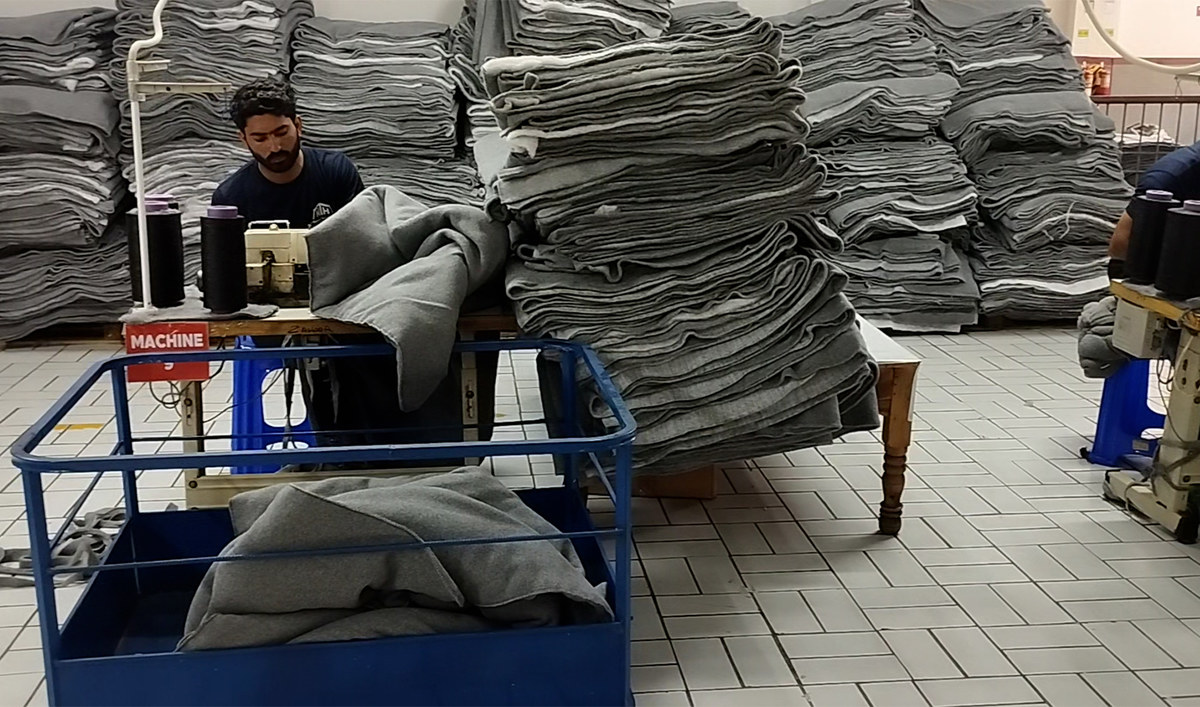
Mohammad Ahmed, director of business development at NTH, told Arab News that the manufacturer has so far supplied over 15,000 tents and more than 200,000 blankets for the earthquake victims of Turkiye and Syria from manufacturing facilities in the Pakistani cities of Lahore and Karachi. He said NTH can produce up to 2,000 tents and an estimated 20,000 blankets per day.
“Our annual tent production capacity is 600,000 tents and 6.2 million blankets and at present, we are operating at more than the full capacity because of the [Turkiye and Syria] earthquake and floods in Pakistan,” Ahmed told Arab News.
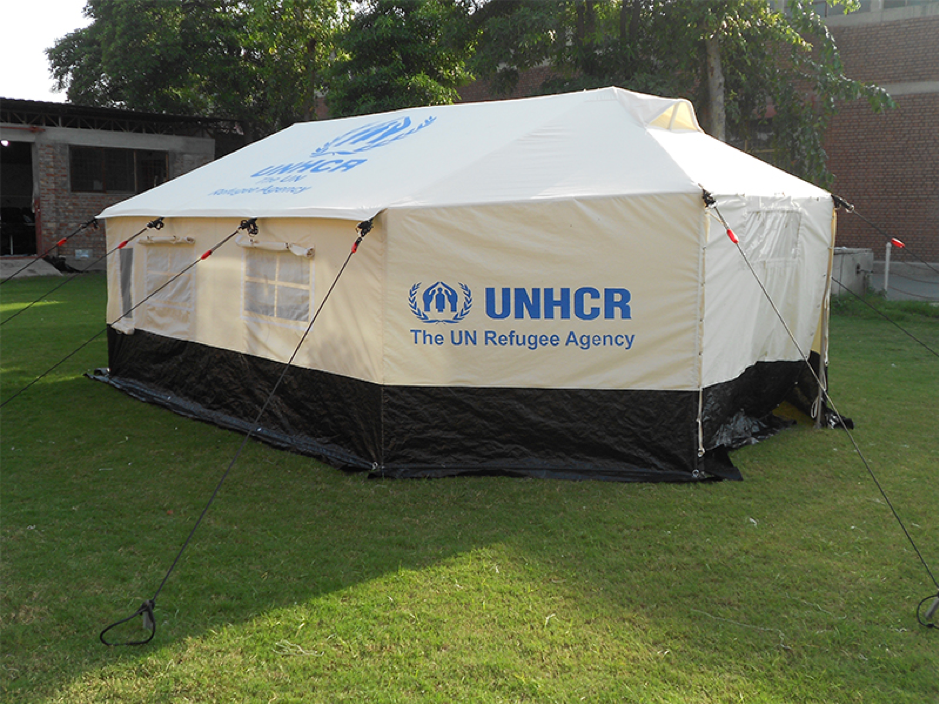
Ahmed said the NTH is one of the only three suppliers of family tents for the UNHCR, adding that in 2009, it was also listed as the UN’s number one vendor in terms of “purchase order value.”
Though water has receded in many parts of Pakistan, the floods displaced an estimated 33 million people and at one point, submerged one-third of the country in water. As flash floods swept away large swathes of land and damaged critical infrastructure across the country, Pakistan estimated losses from the floods to be over $30 billion.
Shabab Ahmed, ex-chairman and current executive member of the Pakistan Canvas and Tents Manufacturers and Exporters Association (PCTMEA) told Arab News that during the floods, the association supplied 0.2 million tents in just 30 days. He said the association can produce up to 0.5 million tents and two million blankets on a monthly basis.
However, Pakistan’s economic crisis has made it difficult to manufacture tents and blankets, Ahmed says. The South Asian country is struggling to revive a $6.5 billion loan program with the International Monetary Fund (IMF) as its forex reserves dip to an alarmingly low level. According to official data, Pakistan lacks enough reserves to provide import cover for over four weeks.
To prevent the outflow of dollars, Pakistan has imposed restrictions on imports, causing a massive setback to manufacturers who rely on raw materials for production. The restrictions have forced commercial banks to stop issuing letters of credit to importers.
“Our country is import-driven and even the tiniest part of raw material is imported,” Shabab said. “Hence, the non-issuance of letters of credit (LCs) is disturbing the supply chain of our industry, eventually having an impact on delivery timelines.”
“It’s very tough these days because we as a country are going through an economic crisis and it’s very tough to arrange raw materials on time and then supplying to the humanitarian aid agencies is a risky task and a tough one,” Shabab said.
“These humanitarian aid agencies don’t see if your country is going through an economic crisis or anything, because they purchase our products when any disaster or any emergency happens so they just want their products. So, it’s very tough for us to accommodate in these circumstances.”
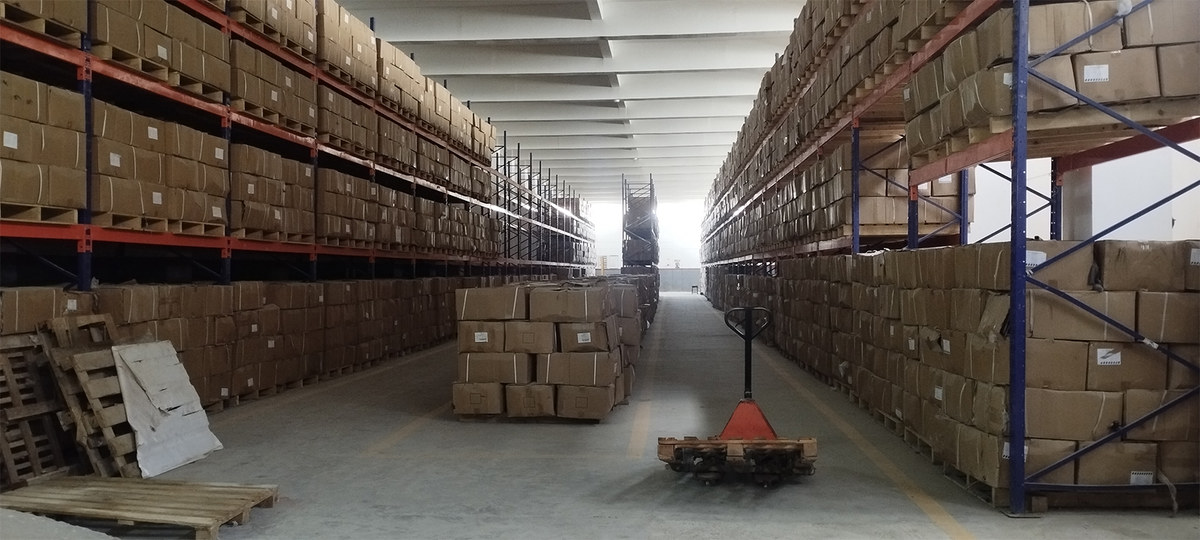
Tent manufacturers say the economic crisis in Pakistan is also negatively impacting the export industry, including suppliers of relief products.
The export of tents, canvas and tarpaulin from Pakistan has increased by 20 percent in terms of value to $86.3 million, but in terms of quantity, exports have declined by over 4 percent from July 2022 till January 2023, according to official data.
Pakistani exporters say the fluctuation of exchange rate and energy crisis are also impacting the country’s exports.
“This is adversely impacting cost of doing business as it is difficult to forecast and commit to buyers for long-term agreements,” Shabab added.