

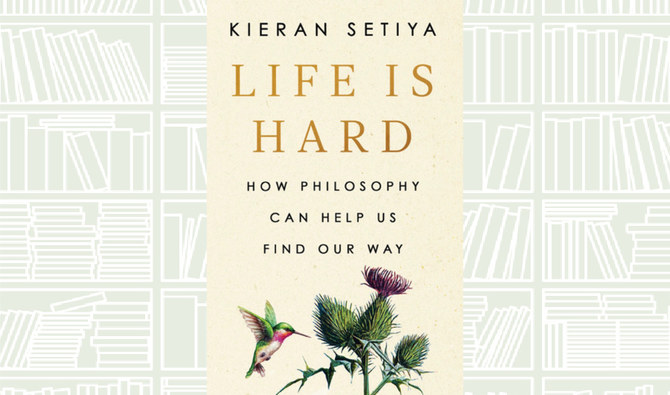
What We Are Reading Today: Life Is Hard by Kieran Setiya

Short Url
Updated 12 November 2022
Follow

What We Are Reading Today: Life Is Hard by Kieran Setiya

This was a beautifully written book that everyone should have on their shelf.

This book invites thought, compassion, reflection, and consideration, both for one’s own life and the lives of those around us.

In this profound and personal book, Kieran Setiya shows how philosophy can help us find our way.

Setiya skillfully gives readers the information and context they need as he goes so they do not have to have a background in philosophy to understand and enjoy this book.

The way he ties it all together is poetry and his humor adds levity to some deceptively deep and heavy topics. He shares his own experience with chronic pain and the consolation that comes from making sense of it.

Drawing on ancient and modern philosophy, as well as fiction, comedy, social science and personal essay, Life is Hard is a book for this moment — a work of solace and compassion.

“This book makes no attempt to sugar coat life,” said a review on Goodreads.com.

“Once we accept the fact that we and others will always have troubles life will become more bearable and enjoyable.”


What We Are Reading Today: ‘Fixed’

Updated 22 December 2025
Follow

What We Are Reading Today: ‘Fixed’

Authors: John Y. Campbell and Tarun Tamadorai

We interact with the financial system every day, whether taking out or paying off loans, making insurance claims, or simply depositing money into our bank accounts. 

“Fixed” exposes how this system has been corrupted to serve the interests of financial services providers and their cleverest customers—at the expense of ordinary people.

John Campbell and Tarun Ramadorai diagnose the ills of today’s personal finance markets in the US and across the globe, looking at everything from short-term saving and borrowing to loans for education and housing, financial products for retirement, and insurance. 

They show how the system is “fixed” to benefit those who are wealthy and more educated while encouraging financial mistakes by those who are aren’t, making it difficult for regular consumers to make sound financial decisions and disadvantaging them in some of the most consequential economic transactions of their lives.