

Saudi captain Al-Faraj back in training, keeper Al-Qarni undergoes knee scans

1 / 18
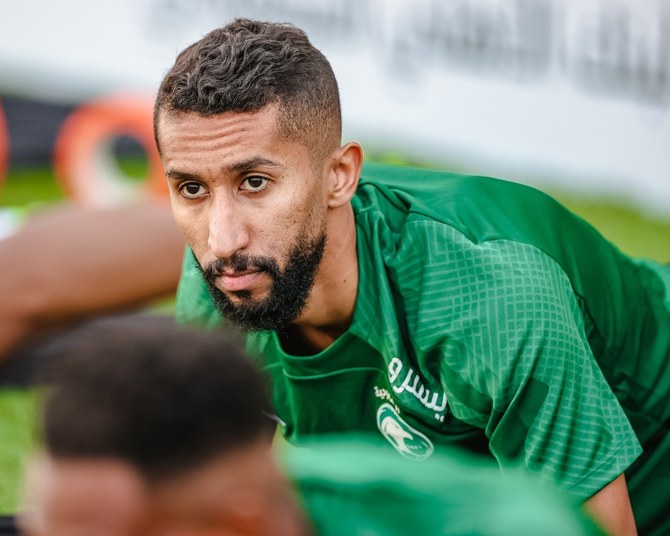
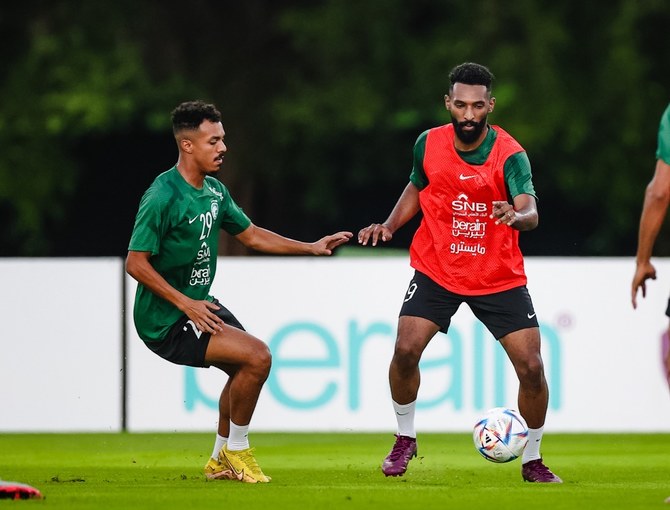
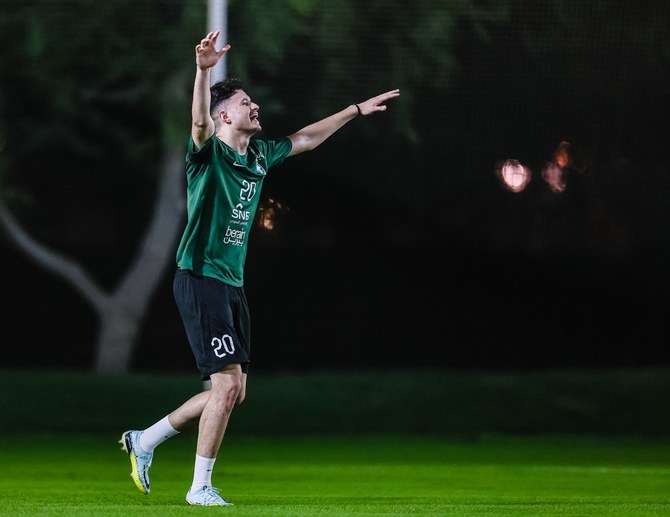
Salman Al-Faraj rejoined the squad on Thursday.
2 / 18
3 / 18
4 / 18
5 / 18
6 / 18
7 / 18
8 / 18
9 / 18
10 / 18
11 / 18
12 / 18
13 / 18
14 / 18
15 / 18
16 / 18
17 / 18
18 / 18
Short Url
Updated 21 October 2022
Follow

Saudi captain Al-Faraj back in training, keeper Al-Qarni undergoes knee scans

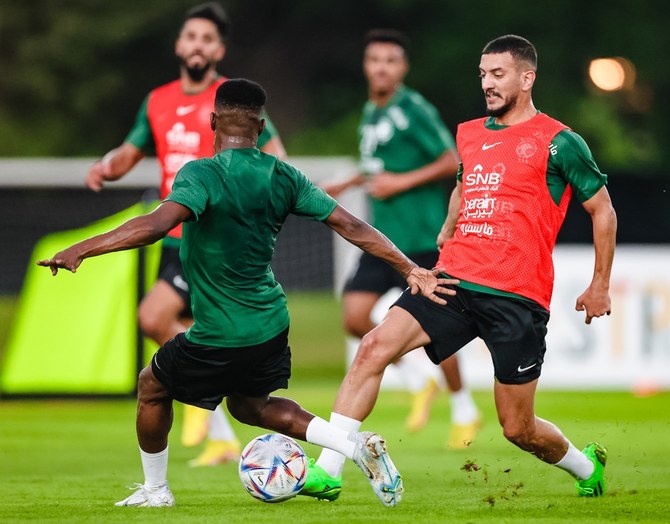
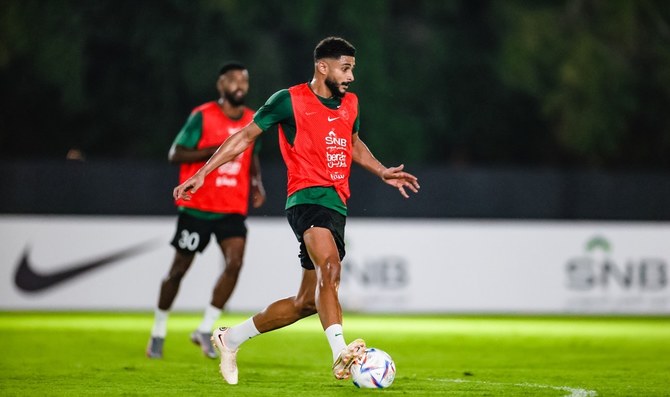
RIYADH: Saudi national team captain Salman Al-Faraj returned to training on Thursday after he was allowed to leave camp this week for a funeral.

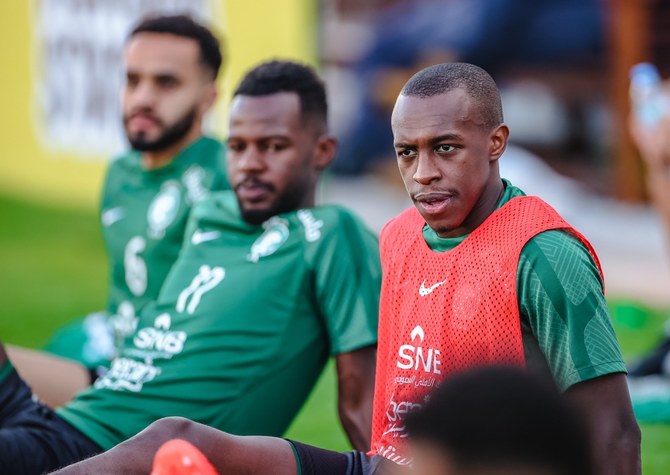
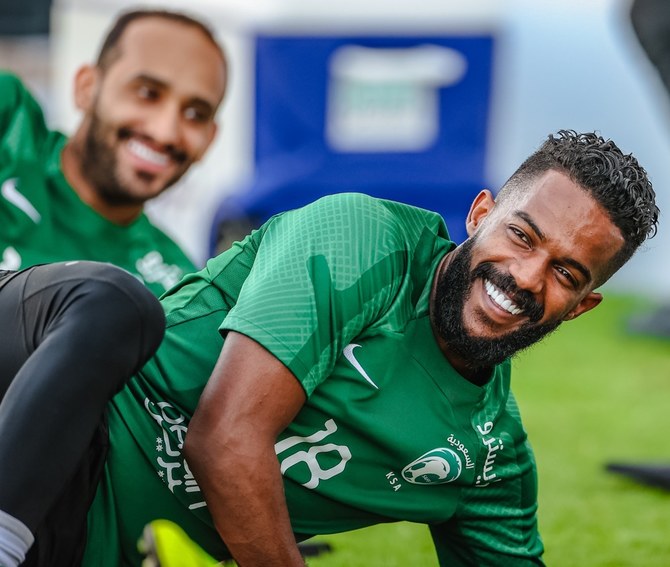
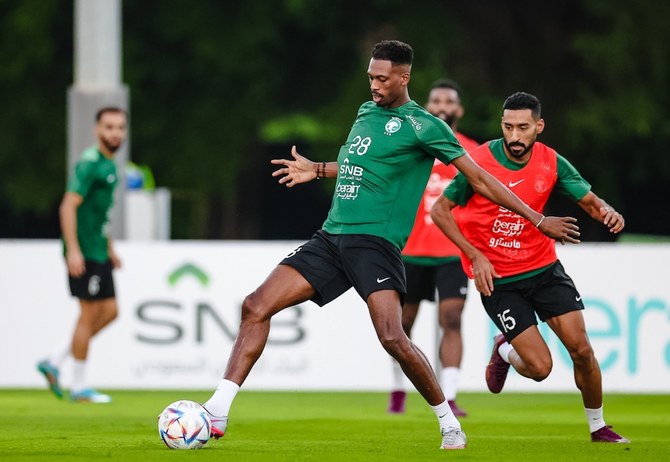
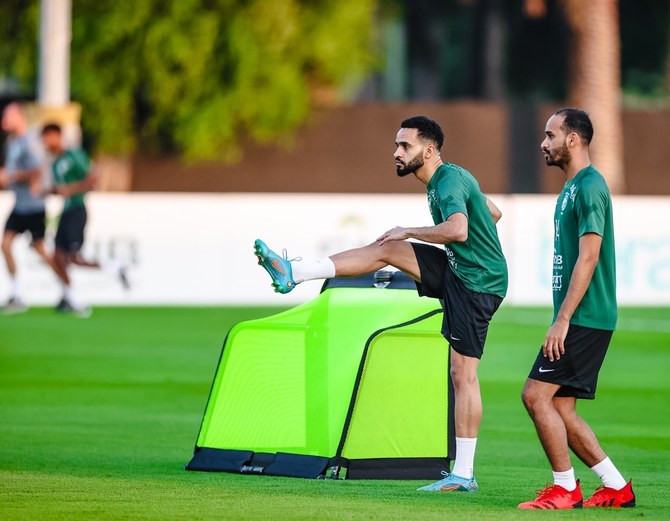
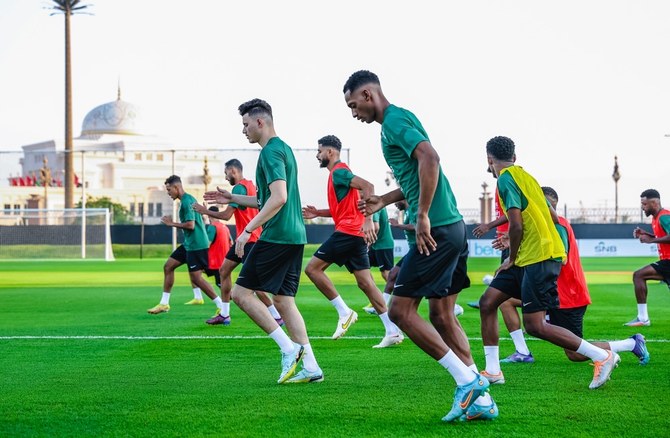
The Green Falcons continue their preparation  in Abu Dhabi ahead of the FIFA World Cup in Qatar next month.

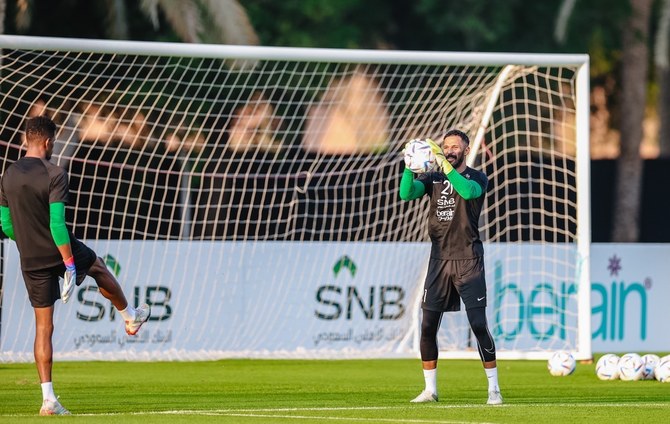
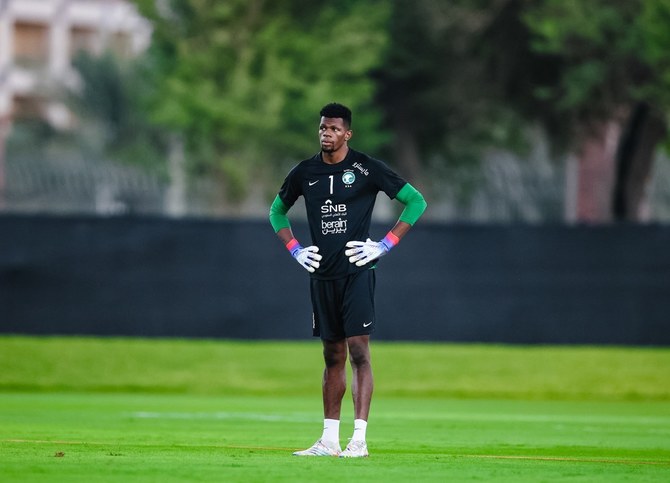
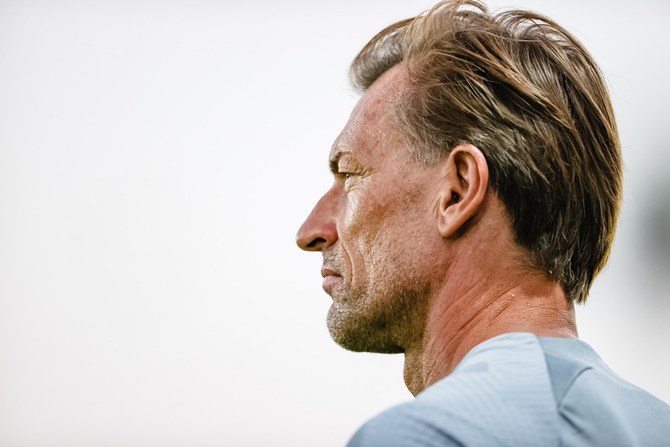
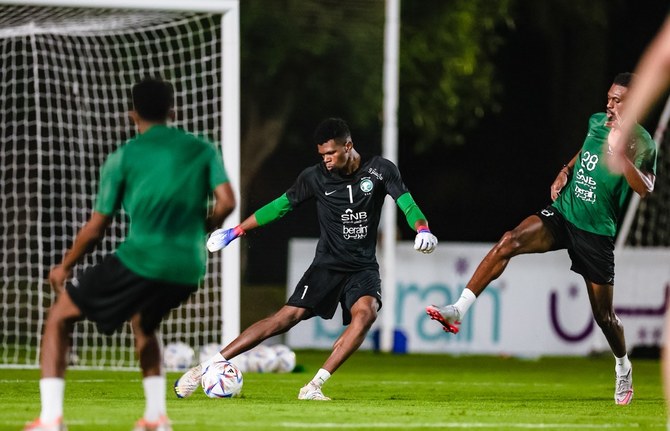
Manager Hervé Renard called up Al Naser goalkeeper Amin Bukhari to join the team as shot-stopper Fawaz Al-Qarni had scans on his knee and did not train.

Midfielder Sami Al-Najei did not take part in the session at the Emirates Palace Stadium as he continues to undergo rehabilitation work.

Saudi Arabia is joined in Group C by Argentina, who they will play first on Nov. 22, Mexico, and Poland.


Horses central to major Vision 2030 projects in Kingdom, racing leaders say

Updated 11 February 2026
Follow

Horses central to major Vision 2030 projects in Kingdom, racing leaders say

  • Asian Racing Conference in Riyadh hears about host of new equine projects

RIYADH: Leaders of Vision 2030 projects across Saudi Arabia told delegates at the 41st Asian Racing Conference that equestrianism and other sports are having a crucial impact on wider economic development and investment in the country.

Sport has been at the core of Saudi Arabia’s vision with significant investments in golf, tennis and football but the country’s love of horseracing means it is seen as a central driver of many projects maturing across the Kingdom.

The topic was covered during a panel session on Tuesday at the 41st ARC in Riyadh, organized by the Asian Racing Federation and hosted by the Jockey Club of Saudi Arabia.

On the day news broke of a new racetrack to be constructed at Qiddiya just outside the capital, it was clear that horses are a key part of Saudi communities and a driver of economic growth.

Panelist Tim Hadaway, equestrian development executive director, sports sector, AlUla, said the horse was at the heart of much of their strategic thinking at a venue which will host an FEI World Championship event later this year.

“The horse is really one of the key strategic pillars of the project, part of Vision 2030 to drive economic development and diversity as well as the development of tourism, to showcase this part of the Kingdom to the world.”

He welcomed the increasing collaboration between various horse racing projects in the country.

“We’re working together, looking at what the ecosystem needs across the Kingdom, and to find that really strong infrastructure, that really strong development, that our company is going to see and helps the Kingdom succeed on the international stage.”

Marc Hewett, executive director, head of racecourse, Qiddiya Investment Co., was delighted to announce plans of the new racecourse on the site that will become the home of The Saudi Cup.

“Creating economic stability and economic rights, increasing equity, increasing demand, job creation, sustainability, targets and improving that infrastructure.

“These developments were all based around core, residential, education, sport, and retail projects. We’re embracing the power of play, new residents and social communities, 500,000 residents, 200,000 jobs, tourism, hospitality, education, sports and entertainment.”