- More than 1,200 flying hours and 80 interceptions highlight Britain’s growing defensive role across the Gulf, UK defense secretary tells Asharq Al-Awsat
- Signals deeper UK-Gulf coordination as new air defense systems and troops are deployed in the region to counter Iranian attacks
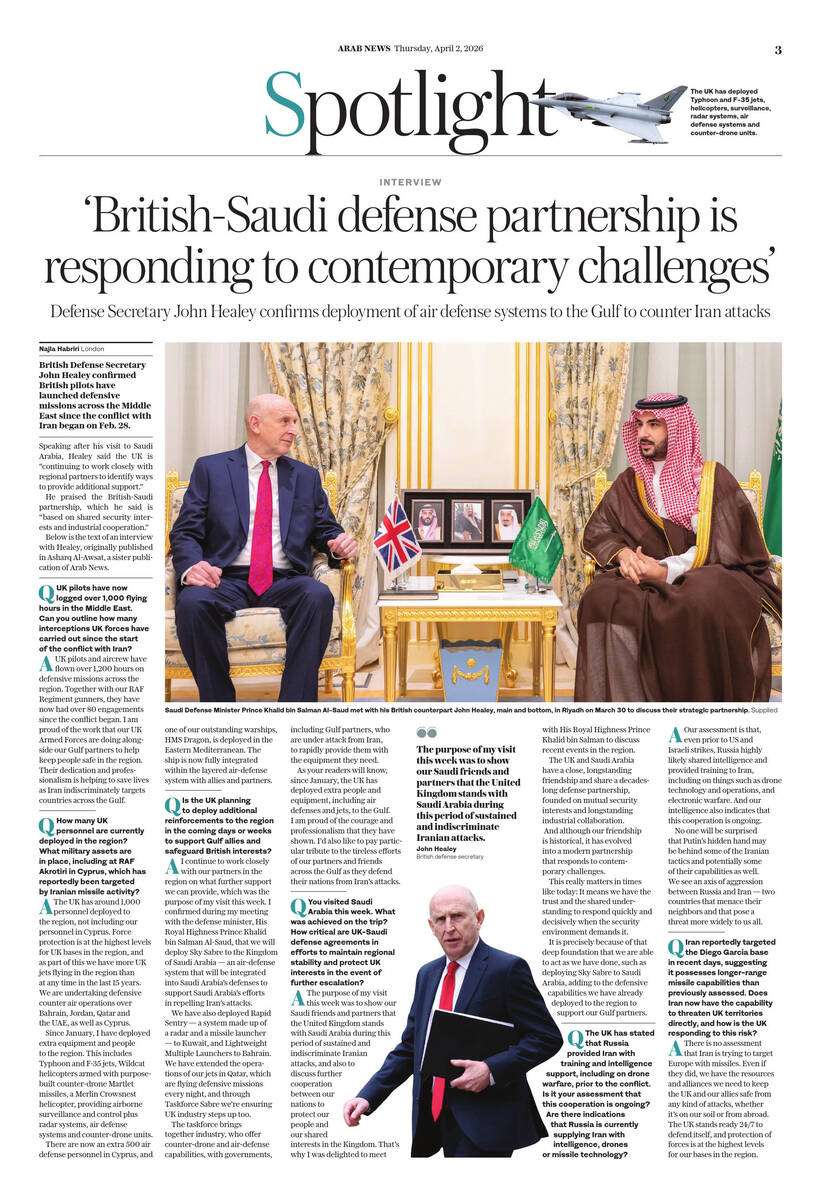
LONDON: British Defense Secretary John Healey confirmed that British pilots have logged more than 1,200 flying hours on defensive missions across the Middle East since the conflict with Iran began on Feb. 28, and said more than 80 interception operations have been carried out in cooperation with Royal Air Force Regiment forces.
Speaking after his visit to Saudi Arabia this week, Healey said his country has 1,000 troops deployed in the Middle East, with an additional 500 personnel in Cyprus, and noted that the UK is “continuing to work closely with regional partners to identify ways to provide additional support.”
The minister praised the British-Saudi defense partnership, which he said is “based on shared security interests and industrial cooperation” and has “evolved into a modern partnership responding to contemporary challenges.”
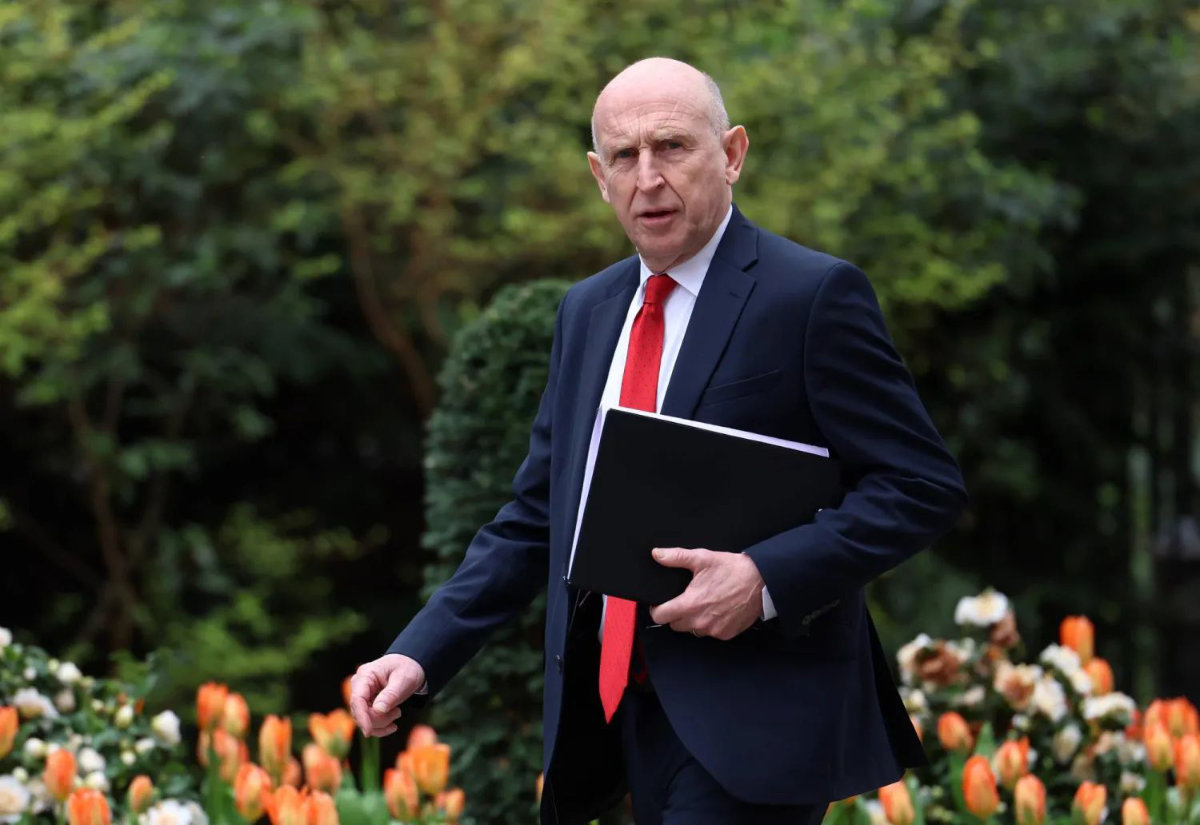
Healey did not rule out the possibility of “hidden Russian hands” behind some of Iran’s tactics in its attacks on the region, citing the UK’s assessment that cooperation between Moscow and Tehran on intelligence, drone technology training and electronic warfare “continues to this day.”
Below is the text of the written interview with Healey, which was originally published in Asharq Al-Awsat, a sister publication of Arab News.
Q: UK pilots have now logged over 1,000 flying hours in the Middle East. Can you outline how many interceptions UK forces have carried out since the start of the conflict with Iran?
A: UK pilots and aircrew have flown over 1,200 hours on defensive missions across the region. Together with our RAF Regiment gunners, they have now had over 80 engagements since the conflict began.
I am proud of the work that our UK Armed Forces are doing alongside our Gulf partners to help keep people safe in the region. Their dedication and professionalism is helping to save lives as Iran indiscriminately targets countries across the Gulf.
Q: How many UK personnel are currently deployed in the region? What military assets are in place, including at RAF Akrotiri in Cyprus, which has reportedly been targeted by Iranian missile activity?
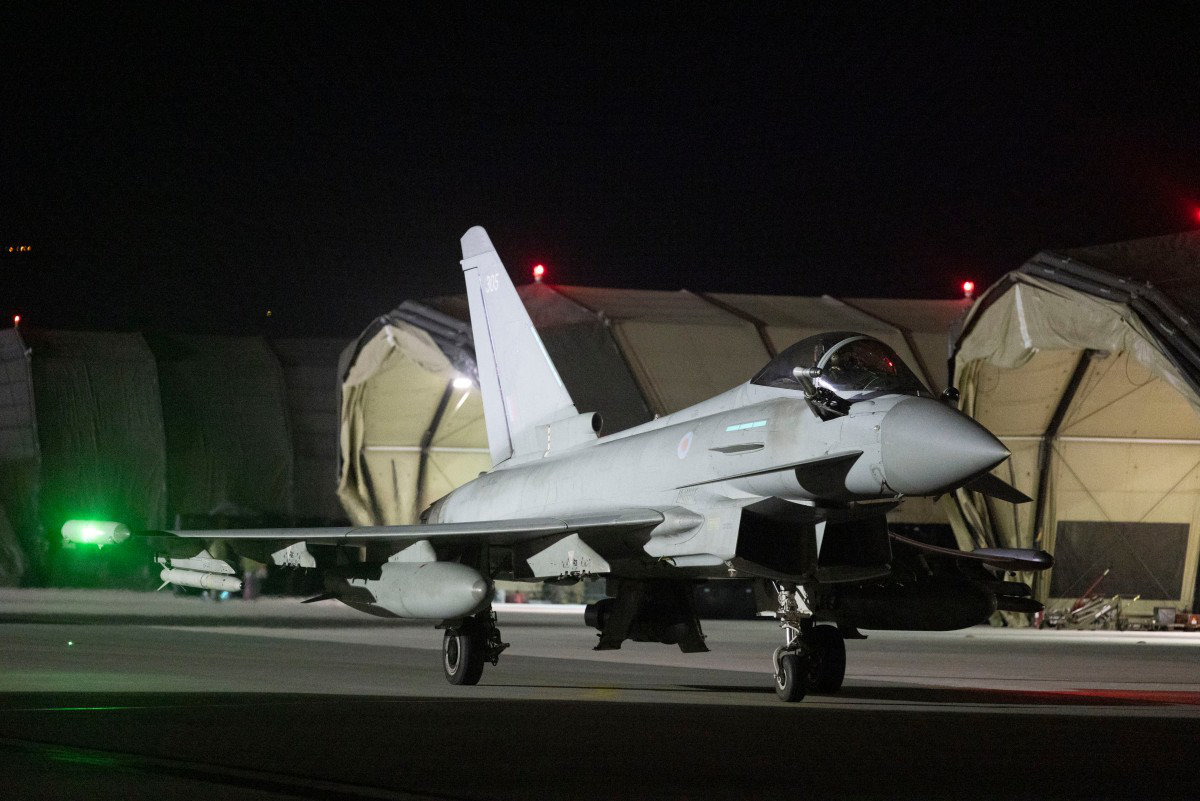
A: The UK has around 1,000 personnel deployed to the region, not including our personnel in Cyprus. Force protection is at the highest levels for UK bases in the region, and as part of this we have more UK jets flying in the region than at any time in the last 15 years. We are undertaking defensive counter air operations over Bahrain, Jordan, Qatar and the UAE, as well as Cyprus.
Since January, I have deployed extra equipment and people to the region. This includes Typhoon and F-35 jets, Wildcat helicopters armed with purpose-built counter-drone Martlet missiles, a Merlin Crowsnest helicopter, providing airborne surveillance and control plus radar systems, air defense systems and counter-drone units.
There are now an extra 500 air defense personnel in Cyprus, and one of our outstanding warships, HMS Dragon, is deployed in the Eastern Mediterranean. The ship is now fully integrated within the layered air-defense system with allies and partners.
Q: Is the UK planning to deploy additional reinforcements to the region in the coming days or weeks to support Gulf allies and safeguard British interests?
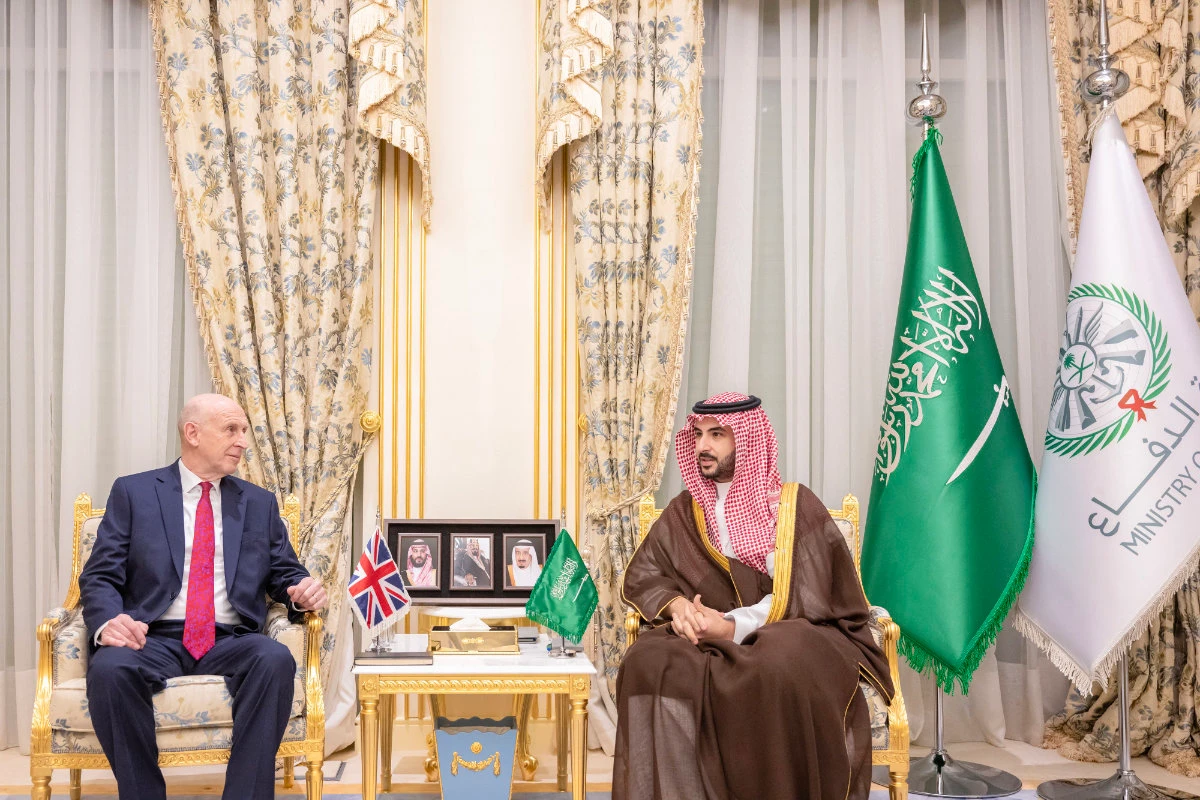
A: I continue to work closely with our partners in the region on what further support we can provide, which was the purpose of my visit this week. I confirmed during my meeting with the defense minister, His Royal Highness Prince Khalid bin Salman Al-Saud, that we will deploy Sky Sabre to the Kingdom of Saudi Arabia — an air-defense system that will be integrated into Saudi Arabia’s defenses to support Saudi Arabia’s efforts in repelling Iran’s attacks.
We have also deployed Rapid Sentry — a system made up of a radar and a missile launcher — to Kuwait, and Lightweight Multiple Launchers to Bahrain. We have extended the operations of our jets in Qatar, which are flying defensive missions every night, and through Taskforce Sabre we’re ensuring UK industry steps up too.
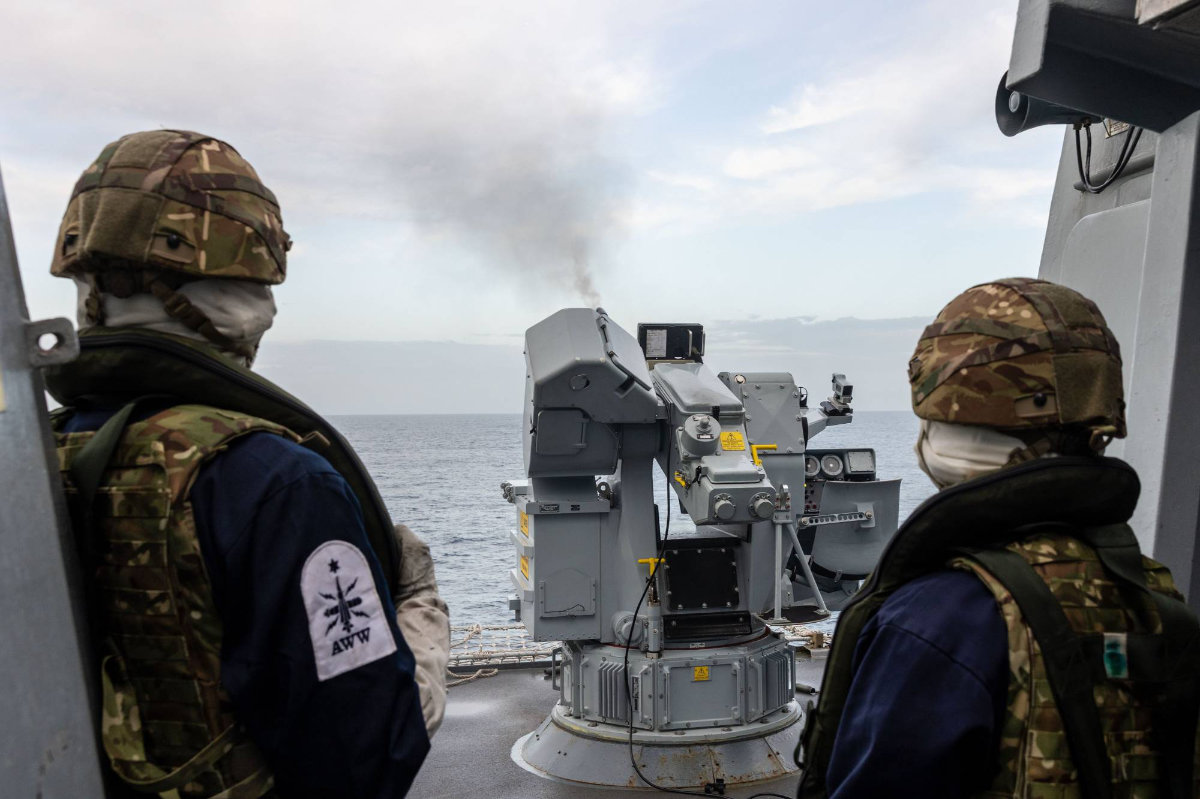
The taskforce brings together industry, who offer counter-drone and air-defense capabilities, with governments, including Gulf partners, who are under attack from Iran, to rapidly provide them with the equipment they need.
As your readers will know, since January, the UK has deployed extra people and equipment, including air defenses and jets, to the Gulf. I am proud of the courage and professionalism that they have shown. I’d also like to pay particular tribute to the tireless efforts of our partners and friends across the Gulf as they defend their nations from Iran’s attacks.
Q: You visited Saudi Arabia this week. What was achieved on the trip? How critical are UK-Saudi defense agreements in efforts to maintain regional stability and protect UK interests in the event of further escalation?
A: The purpose of my visit this week was to show our Saudi friends and partners that the United Kingdom stands with Saudi Arabia during this period of sustained and indiscriminate Iranian attacks, and also to discuss further cooperation between our nations to protect our people and our shared interests in the Kingdom. That’s why I was delighted to meet with His Royal Highness Prince Khalid bin Salman to discuss recent events in the region.
The UK and Saudi Arabia have a close, longstanding friendship and share a decades-long defense partnership, founded on mutual security interests and longstanding industrial collaboration.
And although our friendship is historical, it has evolved into a modern partnership that responds to contemporary challenges. This really matters in times like today: It means we have the trust and the shared understanding to respond quickly and decisively when the security environment demands it.
It is precisely because of that deep foundation that we are able to act as we have done, such as deploying Sky Sabre to Saudi Arabia, adding to the defensive capabilities we have already deployed to the region to support our Gulf partners.
Q: The UK has stated that Russia provided Iran with training and intelligence support, including on drone warfare, prior to the conflict. Is it your assessment that this cooperation is ongoing? Are there indications that Russia is currently supplying Iran with intelligence, drones or missile technology?
A: Our assessment is that, even prior to US and Israeli strikes, Russia highly likely shared intelligence and provided training to Iran, including on things such as drone technology and operations, and electronic warfare. And our intelligence also indicates that this cooperation is ongoing.
No one will be surprised that Putin’s hidden hand may be behind some of the Iranian tactics and potentially some of their capabilities as well. We see an axis of aggression between Russia and Iran — two countries that menace their neighbors and that pose a threat more widely to us all.
Q: Iran reportedly targeted the Diego Garcia base in recent days, suggesting it possesses longer-range missile capabilities than previously assessed. Does Iran now have the capability to threaten UK territories directly, and how is the UK responding to this risk?
There is no assessment that Iran is trying to target Europe with missiles. Even if they did, we have the resources and alliances we need to keep the UK and our allies safe from any kind of attacks, whether it’s on our soil or from abroad. The UK stands ready 24/7 to defend itself, and protection of forces is at the highest levels for our bases in the region.