LONDON: TV crews from international news channels will be subject to “chilling” restrictions while reporting from Qatar for the FIFA World Cup, a human rights organization has warned.
The Gulf state has barred film crews from conducting interviews in residences, migrant worker accommodation sites, government buildings, universities, religious sites and private businesses, The Guardian reported.
Broadcasters must also “respect the privacy of individuals” and avoid filming people or properties without “express prior approval.
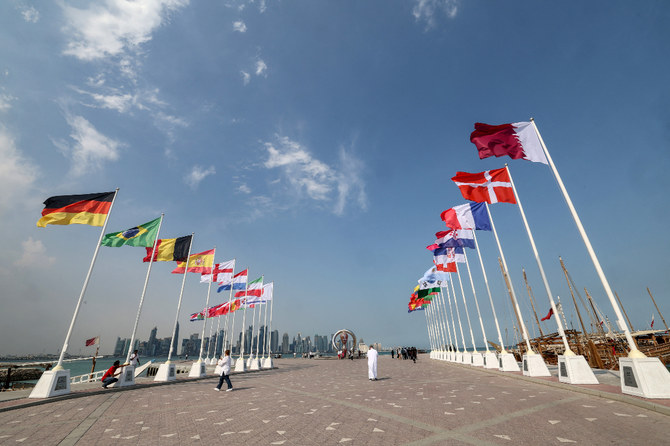
It comes as part of conditions imposed by Qatar for film permit applications to “capture photography and videography of the most popular locations around the country.”
However, the rules mean that media will be unable to investigate high-profile controversies surrounding the country’s hosting of the FIFA World Cup, including the alleged widespread abuse and repression of migrant workers.
FairSquare, a London-based human rights group, warned that the rules are an “extraordinarily sweeping range of restrictions.”
Co-director James Lynch said: “It would be incredibly difficult to fully comply with these terms, if even filming near to private or government property violates the terms of a permit.
“This is likely to have a severe chilling effect on free expression. How many organizations will authorize reporting on Qatar’s social issues if to do so puts them at risk of ending up in court?”
Index on Censorship Editor-in-Chief Jemimah Steinfeld described the Qatari rules as “definite cause for concern.”
She added: “The question is whether there might be stories that they (media) can still do within the realms of that agreement, and is it more important that they do those stories?
“If the BBC is basically being shoved into a position where all they can cover is the glory of it, then that would be a bad outcome.”
A BBC spokesman said the broadcaster had “a proven record of addressing topical issues as part of our coverage. This World Cup will be no different.”
Qatar has faced previous criticism for its treatment of journalists. In 2015, authorities in the country arrested and detained several BBC journalists who were investigating allegations surrounding the ill-treatment of migrant workers.
And last year, a pair of journalists from Norway faced similar punishments while covering the same issue.
In response to fears of a media crackdown, Qatar’s Supreme Committee for the World Cup said: “Several regional and international media outlets are based in Qatar, and thousands of journalists report from Qatar freely without interference each year.”
FIFA said in a statement that it is “working with the Supreme Committee and relevant organizations in Qatar to ensure the best possible working conditions for media attending the tournament, as well as ensuring that broadcasters continue to report freely without any restrictions.”


![]()

Qatar restricting media with ‘chilling’ rules ahead of World Cup
Short Url
https://arab.news/4hkuy
Qatar restricting media with ‘chilling’ rules ahead of World Cup
- Human rights group describes policies as ‘definite cause for concern’


Latest updates


© 2026 SAUDI RESEARCH & PUBLISHING COMPANY, All Rights Reserved And subject to Terms of Use Agreement.