- Defense minister Khawaja Asif speaks at Arab News Pakistan Annual Workshop 2022
- On new army chief, Asif says hopeful army would “play by rules and abide by constitution”
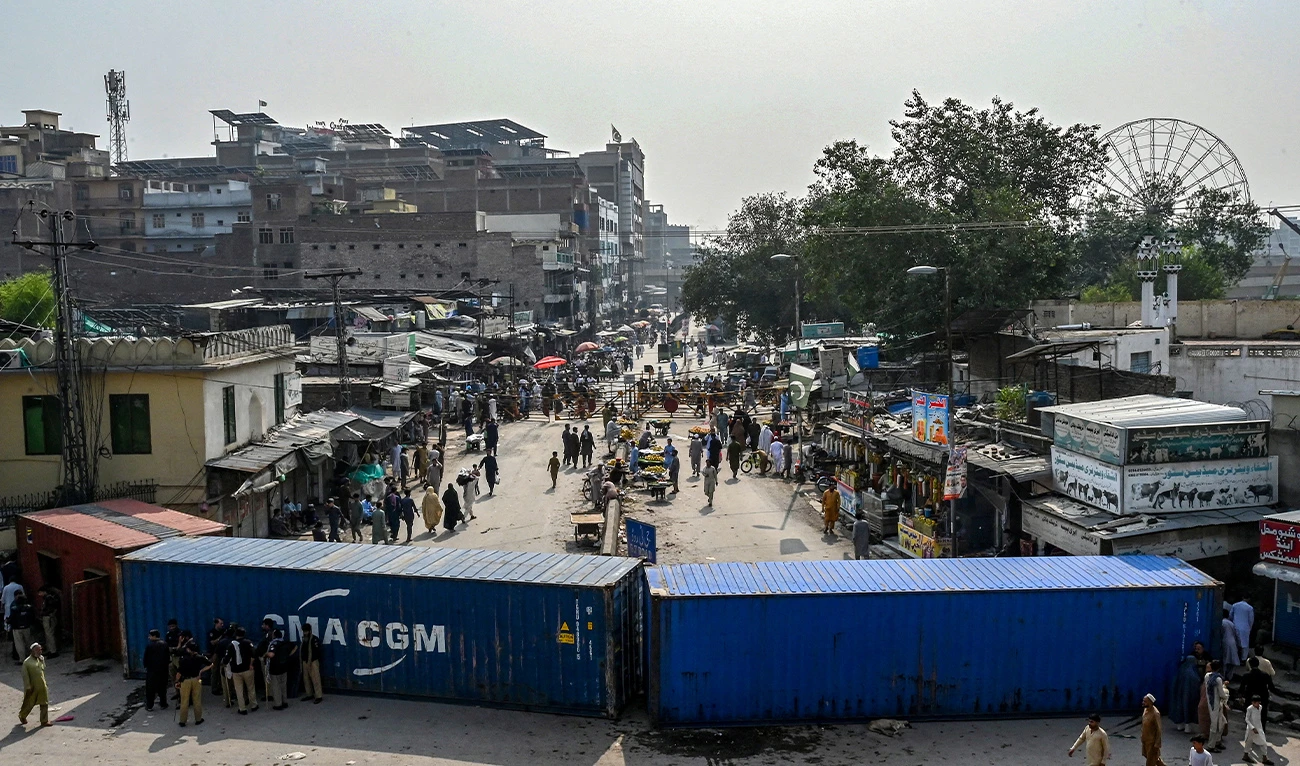
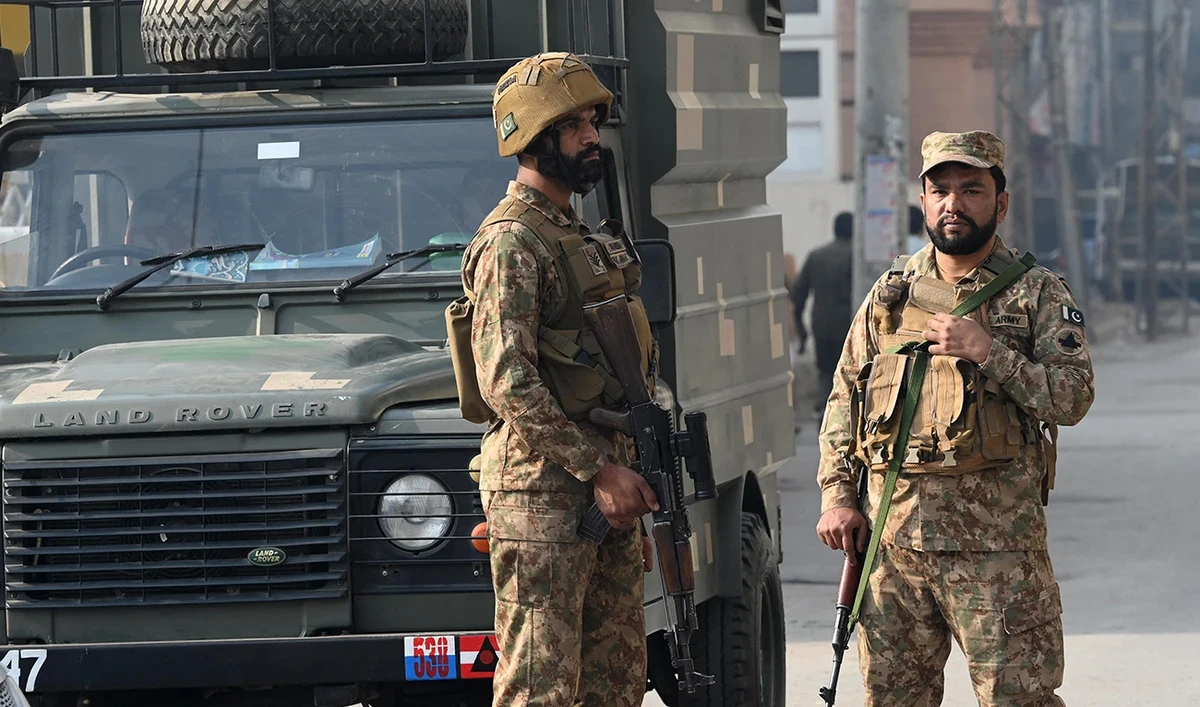
ISLAMABAD: Pakistan’s Defense Minister Khawaja Muhammad Asif said on Friday a military operation to contain militants in the country’s northern areas was “not on the cards,” a few days after thousands protested against what they say is the alleged return of Taliban to the area.
On Friday, Asif delivered the keynote address at the Arab News Pakistan Annual Workshop 2022 in Islamabad and held a detailed question and answer session with the team, which included editors, reporters and top management from Pakistan, Asia and Riyadh.
In recent weeks, there have been widespread reports of a return of militants to the valley, amid a stalled peace deal with Islamabad and drawn-out negotiations that began last year.
Thousands came out in protest this week in Swat Valley in northwest Khyber Pakhtunkhwa province after unidentified gunmen opened fire on a school van, killing the driver and injuring one student.
Pakistan’s military has said reports of the return of militants in the northwestern area are “grossly exaggerated and misleading”.
“I’m not aware of any military action or anything of the sort,” the defense minister said in response to a question about an army operation in the northern areas to stem the new tide of militancy.
“Fundamentally it is a failure of the [provincial] government there [Swat],” Asif said. “It is absolutely a failure there and at some stage, the government has to examine the situation and then use some other option to control the situation.”
He said there was no decision yet at the federal government level to launch a military operation in Swat.
“We are not thinking of any intervention, it’s not on the cards,” Asif said. “Absolutely we will use other means, peaceful means, and if we have to resort to some other forces to control and if that is inevitable, we will resort to that Inshallah.”
Speaking about recent protests against militancy, Asif commended the people in Khyber Pakhtunkhwa province for raising their voices for peace.
“Something very heartening, that people have come out on their own, without any motivation to protect their rights which is a rarity in Pakistan,” the minister said.
In response to another question, the defense minister said negotiations between militants and Pakistan’s state had not reached any conclusion.
On the issue of the retirement of current army chief General Qamar Javed Bajwa in November and the appointment of a new head of the army, Asif said the changing of the guard in Pakistan’s security forces should not be discussed in the political realm and should not be part of political debates in the country.
“When you start discussing these things, there is definitely, erosion of sanctity [of the armed forces],” he added.
“Neutrality is something which is respected the world over,” Asif said, referring to the army being apolitical. “If defense forces want to play by the constitution, it is a very welcoming thing. We should relax and play by the rules.”
On what he expected from a new army chief, Asif said he had high hopes Pakistan’s armed forces would “play by the rules and abide by what is in the constitution and limit themselves to the constitutionally defined role.”