

What We Are Eating Today: Circolo Pizza: An authentic Italian in the heart of ancient AlUla
Updated 08 October 2022
Rahaf Jambi
In the middle of the beautiful landscape of Alula, you can enjoy a delightful rich meal at Circolo Pizza.
Circolo Pizza is located in the beautiful Al-Jadidah district that is bustles with art and activities.
Open for lunch and dinner, Circolo Pizza serves a delicious menu.
The restaurant specializes in artisan pizzas, baked in wood-fired ovens, like buffalo margarita, pesto burrata, artichoke and spinach, Bresaola, among others.
The menu also features citrus risotto, citrus, and fried goat cheese salad with a blood orange dressing, both made with regional ingredients.
You can see your pizza being baked in front of you with a beautiful view of AlUla, and you can enjoy the beautiful and serene view of the valley with the mountains in the distance while nestled on the edge of the Oasis.
With a relaxed, rustic atmosphere and only the best ingredients, Circolo's authentic Italian dishes will keep you coming back for more.
The portions are small, so I wouldn't recommend sharing. However, the taste is unforgettable, and every dish is different and delicious.
The restaurant also offers fresh pastas such as linguini with mushroom and truffle, AlUla citrus risotto, ravioli with butter and sage, and black pasta with lobster, which is a personal favorite.
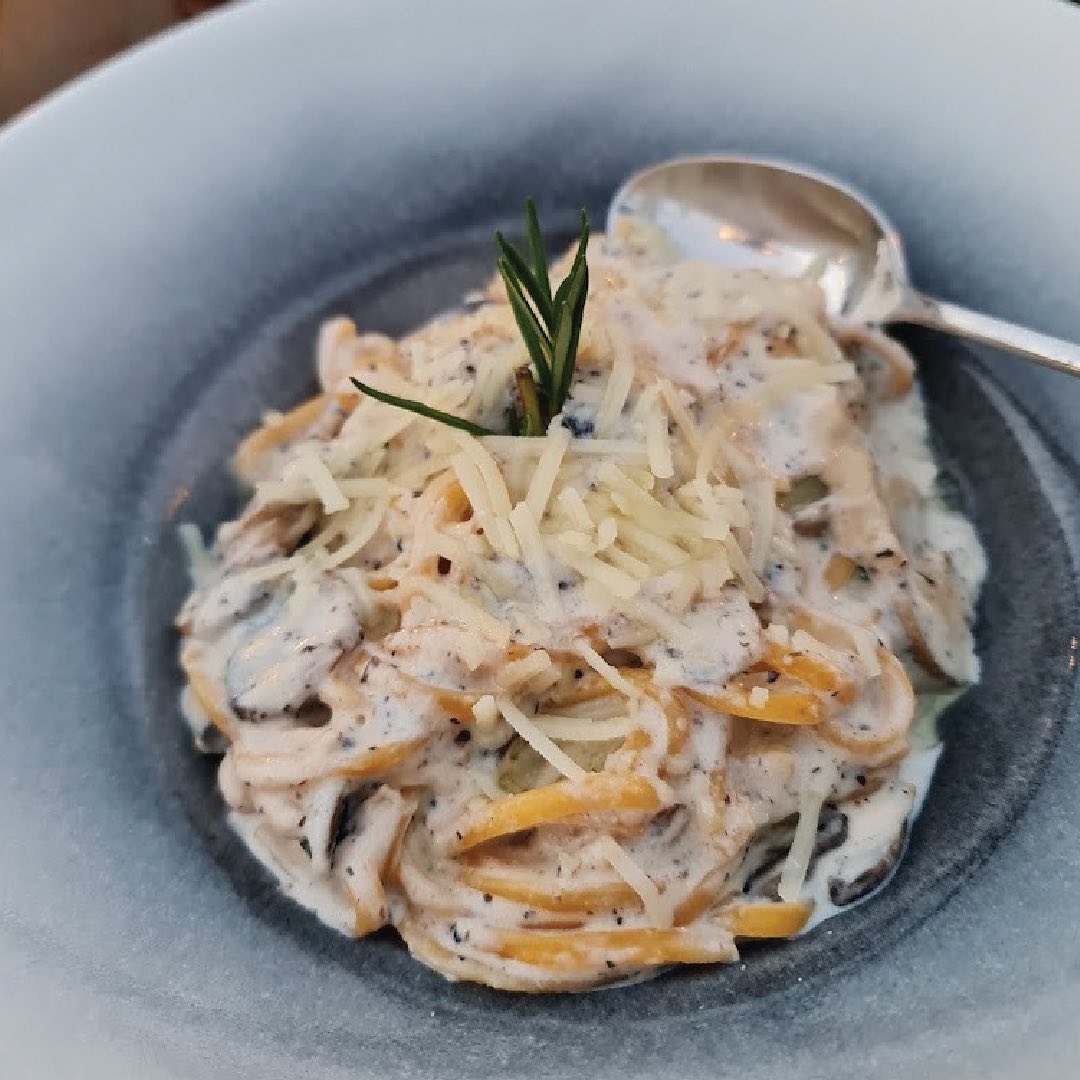
Their main courses contain veal Milanese, roasted baby chicken, and grilled salmon, but their baked seabass is a must-try.
The dough of the pizza is light, and the fresh pasta is light, leaving your stomach happy and satiated.
Make sure to save room for the delectable selection of gelato and traditional Italian sweets.
Circolo Pizza offers a complete experience: Good food, service, and view, making it one of the best restaurants to try in AlUla.
Recipes for Success: Chef Thinus van der Westhuizen offers advice and a Japanese stir-fry recipe
Updated 22 sec ago
Hams Saleh
DUBAI: Thinus van der Westhuizen’s approach to cooking is rooted in patience, discipline and respect for ingredients — values shaped over more than two decades in professional kitchens across South Africa, Mozambique and the Middle East.
Born in Pretoria, South Africa, van der Westhuizen began his culinary training early, and worked in luxury hotels and fine-dining kitchens before settling in the Gulf. He has spent the past four years at 99Sushi Bar & Restaurant in Abu Dhabi, overseeing the kitchen and its day-to-day operations. During that time, the restaurant has retained its Michelin star for three consecutive years. He now serves as culinary director of Ninety Nine SB Investment L.L.C. — the holding group that manages the 99 Sushi Bar brand outside of Spain. He oversees culinary strategy across the group while remaining closely involved with the kitchen.
When you started out, what was the most common mistake you made?
I often rushed the cooking process, (not) allowing flavors time to properly develop. Like many young chefs, I was eager to impress and move quickly, but I learned that patience is essential. I also underestimated the importance of ingredient quality — even simple dishes can be transformed when you start with the best ingredients possible. They make an incredible difference.
99 Sushi Bar & Restaurant in Abu Dhabi. (Supplied)
What’s your top tip for amateur chefs?
One of the most important investments a home cook can make is a good chef’s knife. It not only makes cooking easier and safer, but it improves precision and enjoyment in the kitchen. I would also strongly recommend keeping a solid recipe book as a reference. Learning the fundamentals through trusted recipes helps build confidence and teaches techniques that can be applied across many dishes. The “La’rousse Gastromonique” is a great book; it works as a food dictionary and to search basic recipes.
What is one ingredient that can instantly improve any dish?
In Japanese cuisine, shichimi togarashi (aka Japanese seven-spice) is an ingredient I love using. Just a small amount adds depth, heat, and complexity. Alongside that, a high-quality soy sauce is an incredible tool for enhancing umami. These ingredients don’t overpower a dish; instead, they enhance and balance flavors, bringing everything together in a more refined and satisfying way.
When you go out to eat, do you find yourself critiquing the food?
Not usually. After more than 22 years in the hospitality industry, you gain a real understanding of the pressures and challenges restaurants face daily. From staffing issues to supply challenges and time constraints, there’s a lot going on behind the scenes. Because of that, I choose to respect the effort and passion chefs put into their work rather than constantly critique it.
99 Sushi Bar & Restaurant in Abu Dhabi. (Supplied)
What’s your favorite cuisine or dish to order?
I have a deep love for South African cuisine because it reminds me of home and the flavors I grew up with — bold, comforting, and often centered around fire and smoke. I also really enjoy Japanese cuisine, particularly how the ingredients are treated with respect and precision. The simplicity and balance allow the natural flavors to shine.
What’s your go-to dish if you have to cook something quickly at home?
A quick stir-fry is always a great option. It’s fast, fresh, and packed with flavor while still being versatile. You can easily adapt it based on what ingredients you have on hand. Another favorite is a chickenkatsu sando, which is comforting, satisfying, and relatively quick to prepare. Both dishes deliver great results without requiring much time.
What customer behavior most annoys you?
Honestly, very little bothers me these days. The industry has evolved, and guests’ expectations and dietary needs have changed significantly. As chefs, it’s important to remain flexible and adaptable while still maintaining the integrity of what we do. I see customer requests more as an opportunity to evolve rather than as an inconvenience.
What’s your favorite dish to cook and why?
At home, I love cooking with my smoker and slow-cooking meat over fire. Growing up in South Africa, cooking over open flames and using smoke was a huge part of our food culture, and it still resonates with me today. There’s something incredibly satisfying about the patience and care required. And the depth of flavor you achieve is unmatched.
What’s the most difficult dish for you to get right?
Our Japanese souffle is one of the most technically demanding dishes. It requires absolute precision, from the whipping and folding of the ingredients to maintaining the perfect oven temperature. Even small variations can affect the final result. It’s a dish that demands patience, consistency, and a deep understanding of technique.
As a head chef, what are you like?
My leadership style has evolved significantly over the years. In my twenties, I was very driven and emotionally intense, which often made me more direct and reactive. With experience and age, I’ve learned that a calmer, more measured approach creates a healthier kitchen environment. You get better results, stronger teamwork, and make a more positive, lasting impact on your staff.
Chef Thinus’ Japanese savory stir-fry
Japanese savory stir-fry. (Supplied)
Serves: 2–3
Ingredients:
Protein (choose one)
300–400 g thinly sliced beef (ribeye or sirloin) or chicken thigh
Vegetables (mix and match)
1 onion, sliced
1 bell pepper or carrot, julienned
1 cup cabbage or napa cabbage
Optional: mushrooms, green beans, snap peas
Aromatics
1 tbsp neutral oil
1 tbsp grated ginger
1 clove garlic, minced (optional but highly recommended)
Stir-fry sauce (the key)
Mix in a small bowl:
2 tbsp soy sauce
1½ tbsp mirin
1 tbsp sake (or dry sherry)
1 tsp sugar or honey
½ tsp sesame oil
Optional: 1 tsp oyster sauce for extra depth
Instructions
1. Prep first
Have everything sliced and the sauce mixed — this dish cooks very fast.
2. Sear the protein
Heat a pan or wok over medium-high heat. Add oil.
Cook the protein in a single layer until browned (don’t crowd the pan).
Remove and set aside.
3. Stir-fry aromatics and vegetables
In the same pan, add ginger (and garlic if using).
Add onions and harder vegetables first, then the quicker-cooking ones.
4. Combine and sauce
Return the protein to the pan.
Pour in the sauce and toss quickly for 30–60 seconds until glossy and coated.
5. Taste and adjust
Add a small splash of soy or mirin if needed.
To serve:
Over steamed Japanese short-grain rice, garnish with toasted sesame seeds and sliced scallions
Optional: soft-boiled egg or pickled ginger.
Pro tips:
Japanese stir-fries are not saucy — the sauce should coat, not pool.
Use high heat and cook quickly to keep vegetables crisp.