

Assouline takes readers to the heart of Hajj in new tome

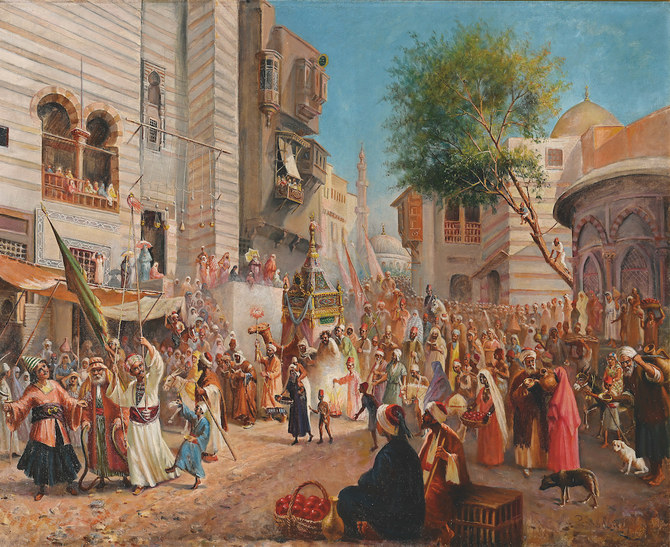
'The Arrival of the Mahmal from Cairo,' Leonardo de Mango, 1921. (Assouline)
Short Url
Updated 14 July 2022
Follow

Assouline takes readers to the heart of Hajj in new tome

DUBAI: Adding to its Ultimate collection just in time for Eid Al Adha, Assouline Publishing has launched a new book, “Hajj and The Arts of Pilgrimage,” a compendium that takes an in-depth look at one of the biggest religious gatherings in the world.

Featuring chapters on the Islamic principles of Hajj, travel, rituals, sacred manuscripts, textiles, souvenirs and Western perspectives, the richly-illustrated volume narrates and reveals the broad spiritual, cultural and artistic aspects of the pilgrimage to Makkah and Medina.
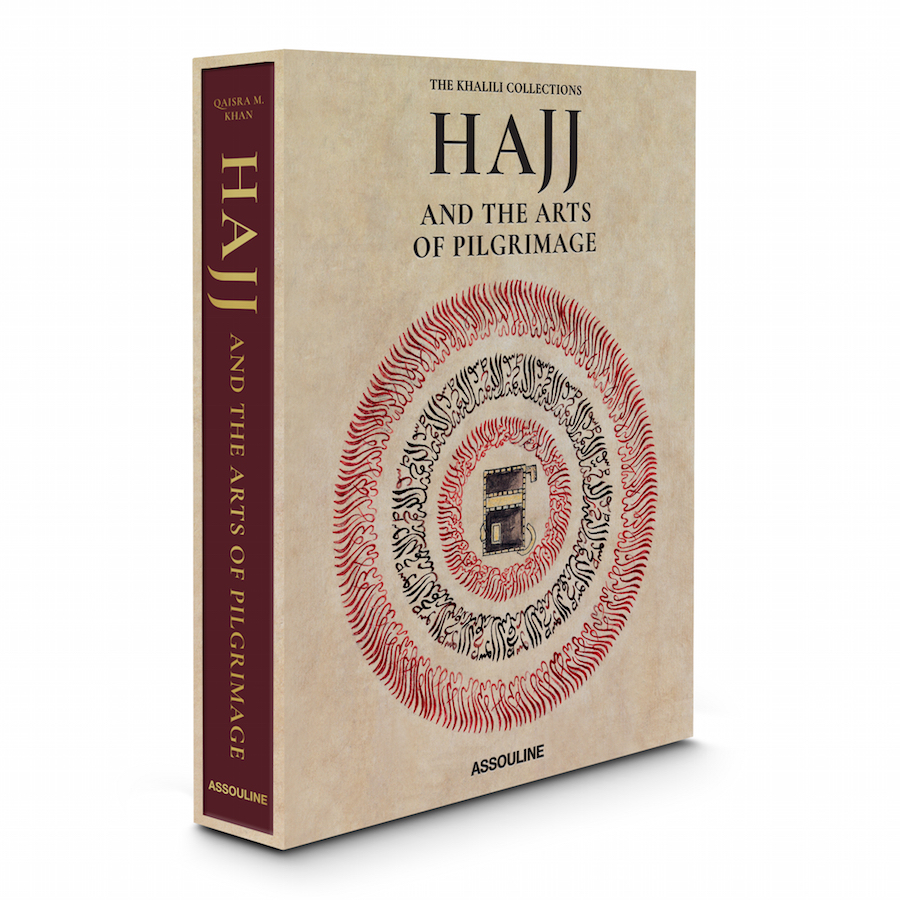


Assouline's new tome has been told exclusively through the Khalili Collection of Hajj and the Arts of Pilgrimage by its curator Qaisra M. Khan. (Assouline)

Told exclusively through the Khalili Collection of Hajj and the Arts of Pilgrimage by its curator Qaisra M. Khan, formerly of the British Museum, the book has been specially compiled for those who are unfamiliar with Islamic practices.

The Khalili Collection comprises some 5,000 objects covering all aspects of Hajj, from the eighth to the 21st century, and geographically from China to India and around the globe to Morocco and the UK.


What We Are Reading Today: ‘The Bell Jar’

Photo/Supplied
Updated 20 December 2025
Follow

What We Are Reading Today: ‘The Bell Jar’

  • The bell jar — clear, enclosing, and distorting the air she breathes — becomes the perfect image of Greenwood’s entrapment. Just as telling is the fig tree she imagines, with each fig representing a possible future: writer, traveler, mother, lover

Author: Sylvia Plath

Sylvia Plath’s “The Bell Jar” (1963) is a raw and luminous portrait of a young woman standing at the edge of adulthood, grappling with ambition, doubt, and the suffocating weight of expectation. 

Through the eyes of the novel’s troubled protagonist Esther Greenwood, Plath reveals the loneliness that can lie hidden beneath achievement and the unease brought on by future expectations.  

The novel opens in New York, where Greenwood’s magazine internship seems the gateway to success. Yet the city’s glamor soon feels hollow, and the confidence around her thin and brittle. 

Her sense of direction begins to fade, and the life laid out before her starts to feel both too small and impossibly distant.  

The bell jar — clear, enclosing, and distorting the air she breathes — becomes the perfect image of Greenwood’s entrapment. Just as telling is the fig tree she imagines, with each fig representing a possible future: writer, traveler, mother, lover. 

Torn between these possibilities, she hesitates until the figs shrivel and drop. This image, perhaps more than any other, reveals how fear of choice can quietly undo a person.   

Plath’s writing is sharp and deeply humane. She exposes the subtle pressures shaping women’s lives at that time without sentiment or complaint. 

The narrative’s erratic rhythm mirrors the character’s disoriented state of mind, where thought and memory blur at the edges. 

“The Bell Jar” speaks to anyone who has felt caught between possibility and paralysis, between who they are and who they are expected to be. 

Plath writes with precision and compassion, turning confusion into clarity and despair into something almost inspiring.