- Muttahida Qaumi Movement was founded by Altaf Hussain in 1984, party ruled Karachi with an iron grip until 2013
- Experts say MQM may not be able to create “immediate impact” even if it resumes social and political activities
KARACHI: The Muttahida Qaumi Movement, a party founded by a London-based, self-exiled politician Altaf Hussain, has named two Pakistan-based leaders as members of its central coordination committee, Qasim Ali Raza, a senior MQM leader, said on Monday, adding that the group would gradually restart its organizational activities in the country.
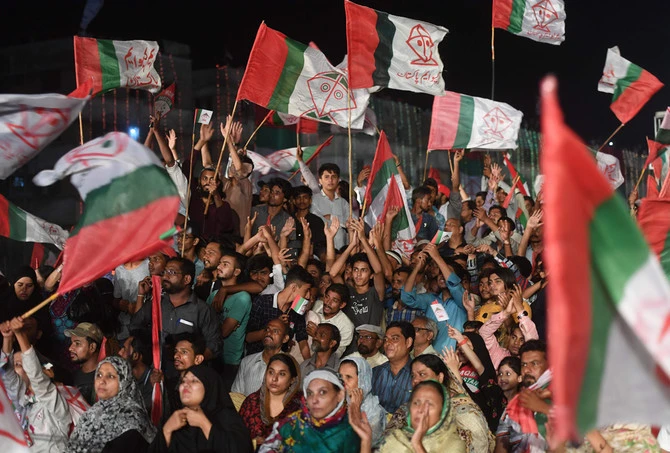
Formed as Muhajir Qaumi Movement by Altaf Hussain in 1984 and later renamed the Muttahida Qaumi Movement, the MQM has championed the rights of Urdu speaking immigrants from India who mostly reside in urban Sindh.
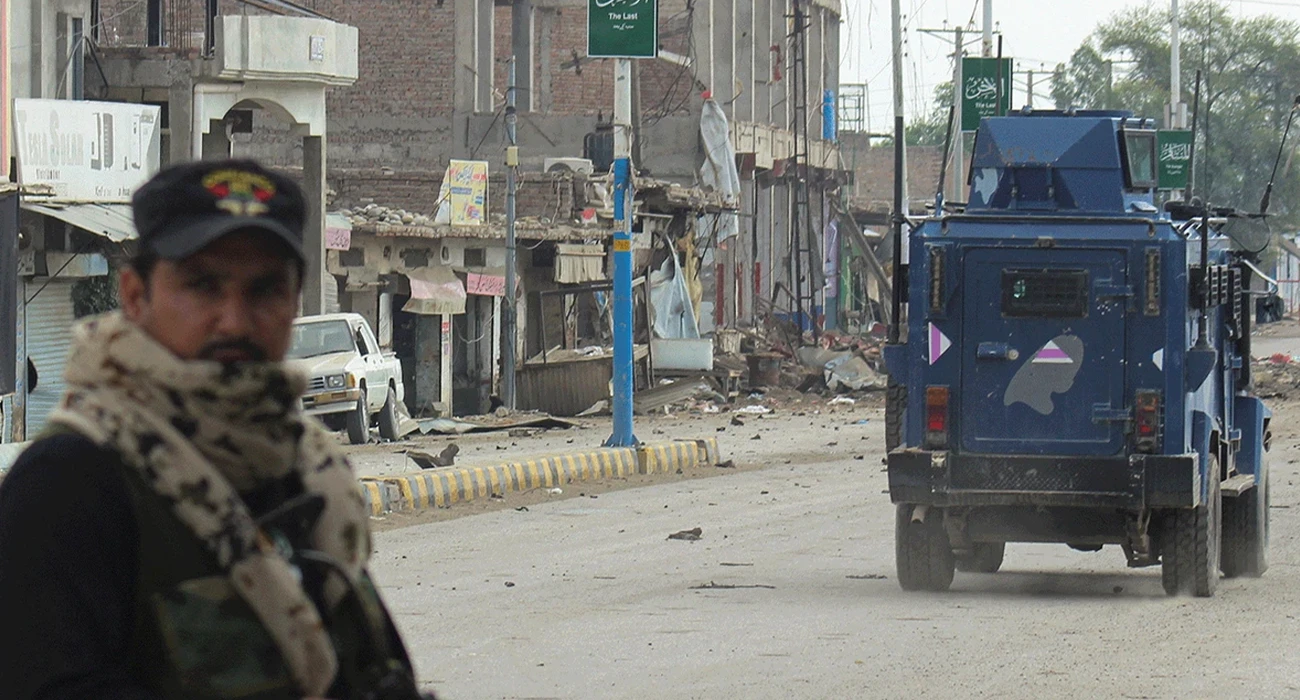
The party ruled Karachi with an iron grip for decades until 2013, when a paramilitary rangers' operation against crime also targeted MQM supporters, long accused of being involved in mafias and violence in the port city. The party denies the charges.
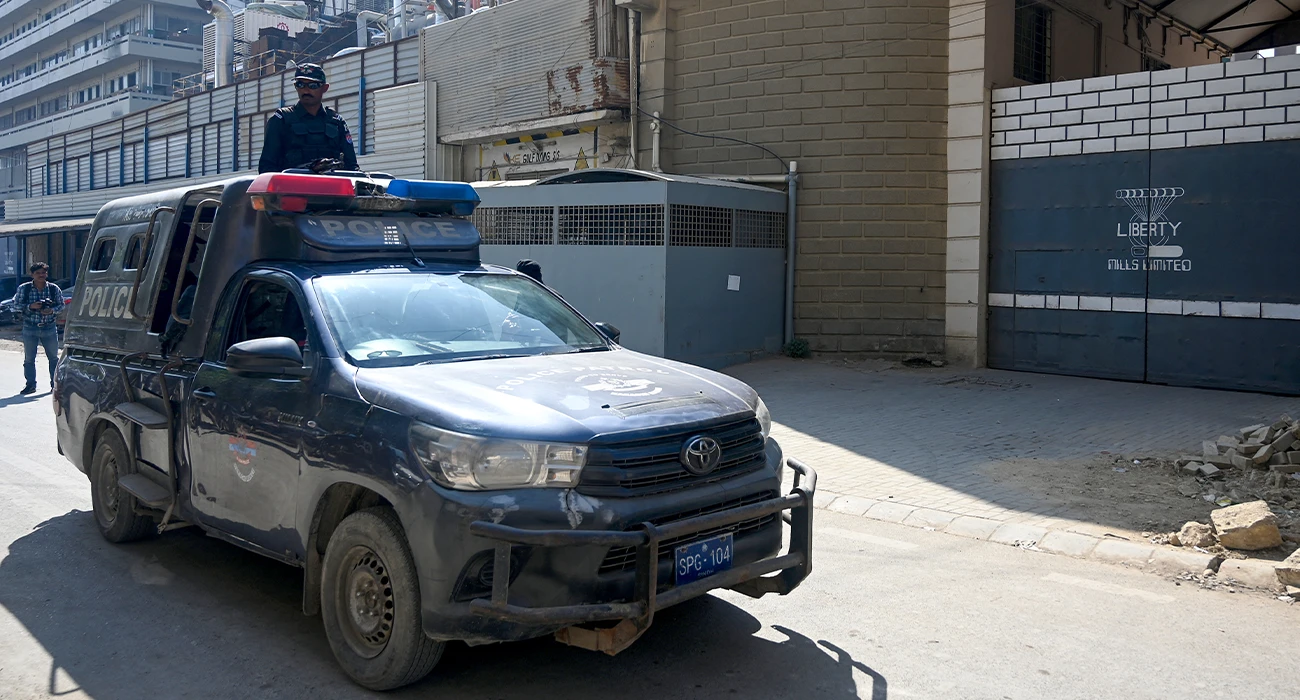
While there was no legal restriction on the party, the MQM has faced an “unannounced ban” on its activities since August 2016, following a telephonic speech by Hussain that was said to be inciting violence and after which mobs attacked police officials and television studios in Karachi.
The party’s deputy convener and Hussain’s longtime aide, Dr. Farooq Sattar, was among several leaders arrested after the speech. Sattar parted ways with Hussain after he was released by paramilitary rangers and announced he was forming the Muttahida Qaumi Movement-Pakistan (MQM-P). He was later side-lined after Dr. Khalid Maqbool Siddiqui took over the MQM-P.
British police said in 2019 they had charged Hussain with a terrorism offense for inciting violence in Pakistan. He was found not guilty by a London court in February this year.
“We have made senior member of the coordination committee Kanwar Khalid Younus the senior deputy convener and Momin Khan Momin the deputy convener of the party,” said Raza, who is a central leader of the MQM which is also referred to as MQM-London, while adding that both leaders were based in Pakistan.
“We will gradually start our organizational activities in Pakistan,” he told Arab News over the phone from London.
A recent MQM statement said the two newly appointed coordination committee leaders would pursue cases of detained party workers and try to ensure the recovery of missing activists.
The party has also filed a petition in the Sindh High Court, seeking the removal of a ban imposed on Hussain’s speeches by the Pakistan Electronic Media Regulatory Authority.
Raza said if the court gave a favorable verdict, it would help the party.
“If the court hands down a judgment in favor of Altaf Hussain and lifts the ban on telecasting his speeches, those who love Altaf Hussain in Pakistan will surely be excited. We will also need [new] office-bearers to rebuild the organization,” he added.
“If the court hands down a judgment in favor of Altaf Hussain and lifts the ban on telecasting his speeches, those who love Altaf Hussain in Pakistan will surely be excited. We will also need [new] office-bearers to rebuild the organization”
Qasim Ali Raza, senior Muttahida Qaumi Movement (MQM) leader
He said that his party had also requested that its “illegally sealed” head office in Karachi be returned to its leadership.
“The organizational activities will start from there. We have urged the court to remove the ban on Altaf Hussain’s speech and allow us to start our social and political activities.”
Speaking to Arab News, Mustafa Azizabadi, another MQM leader, said his party would also move the Lahore High Court against its decision to ban Hussain’s speeches.
“Legally, there is no restriction on MQM activities in Pakistan and its headquarter, Nine Zero, is also not legally sealed but on ground there is an unannounced ban on its activities,” said Mazhar Abbas, a Karachi-based analyst, while commenting on the development.
However, he said it would not be easy for the party to make a strong comeback and rule the city as it did in the past.
“Even if its political activities are resumed, many people will still fear they may land in trouble [after joining the party]. Therefore, I do not see a great impact even in the case of resumption of MQM’s political activities,” he noted.
Abbas said if the court removed the ban on Hussain’s speeches, his political narrative could create trouble for different party factions, including MQM-Pakistan.
“It will be a matter of concern for the leaders of MQM-P,” he said.