

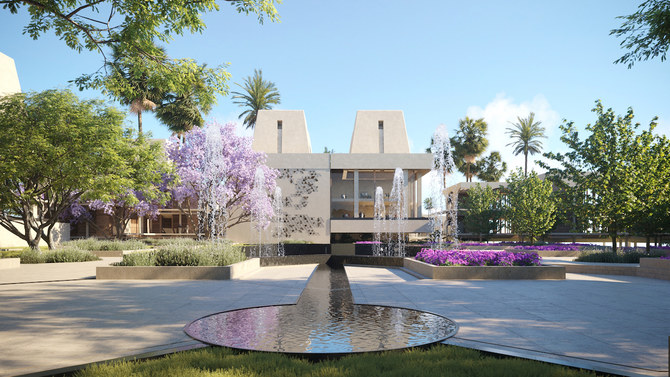

RIYADH: The first global integrated family wellness destination along the northwestern Red Sea coastline of Saudi Arabia had much to cheer about as environmentalists celebrated UN World Water Day, which this year is themed “Groundwater – Making the Invisible Visible” on Tuesday.
AMAALA, as the project is known, is ready to complete its initial phase of development by the end of 2024 by opening nine hotels. The aim is to provide a tourism experience without using the underground water in its spas.
Spanning over 4,155-sq.-km, the project will feature unique heritage and landscape, pristine ecosystems and state-of-the-art facilities.
Although the heart and soul of a luxury spa is the natural water from the area, according to its Wellness Director Stephan Wagner, AMAALA will not compromise the sustainability for the wellness experiences.
“As in keeping with AMAALA’s sustainability pledges, all assets including spas must meet the company’s regenerative targets,” he informed.
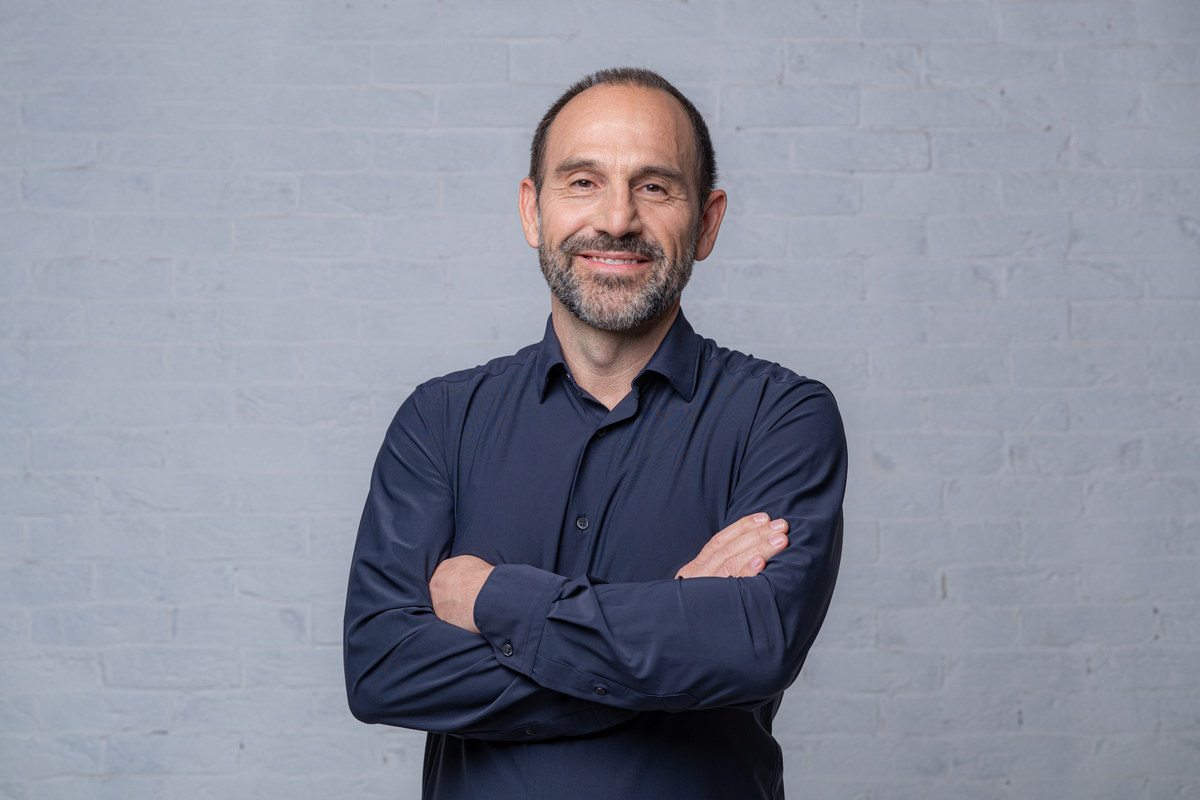
Stephan Wagner, Wellness Director, AMAALA
Talking of water — the main component as a natural resource at wellness centers and spas — it will apparently be well used in designs and treatments at AMAALA. Wagner explained with enthusiasm how the wellness centers and spas will be used for treatment.
“For thousands of years now, people have been using the power of water to heal ailments, to detoxify, to improve their appearance and to pamper themselves,” he explained.
“Therapeutic bath culture goes back more than 3,000 years. Water is a healing agent and bathing in it for 15 and more minutes is literally a treatment. Minerals can be absorbed through the skin barrier such as magnesium, zinc, potassium or sulphur which helps with muscle and joint pain. We will design unique mineral baths circuits, floating pools with underwater sound systems and vitality pools with the underwater massage jets,” he added.
Asked how frequent multisensory experience of clean water that is very good for psycho-physiological well-being, will help drive more tourists Wagner’s replied: “In addition to the pool and swimming features in the resorts, we will encourage inviting guests to bathe and soak in the lagoons and private pristine beaches at AMAALA.”
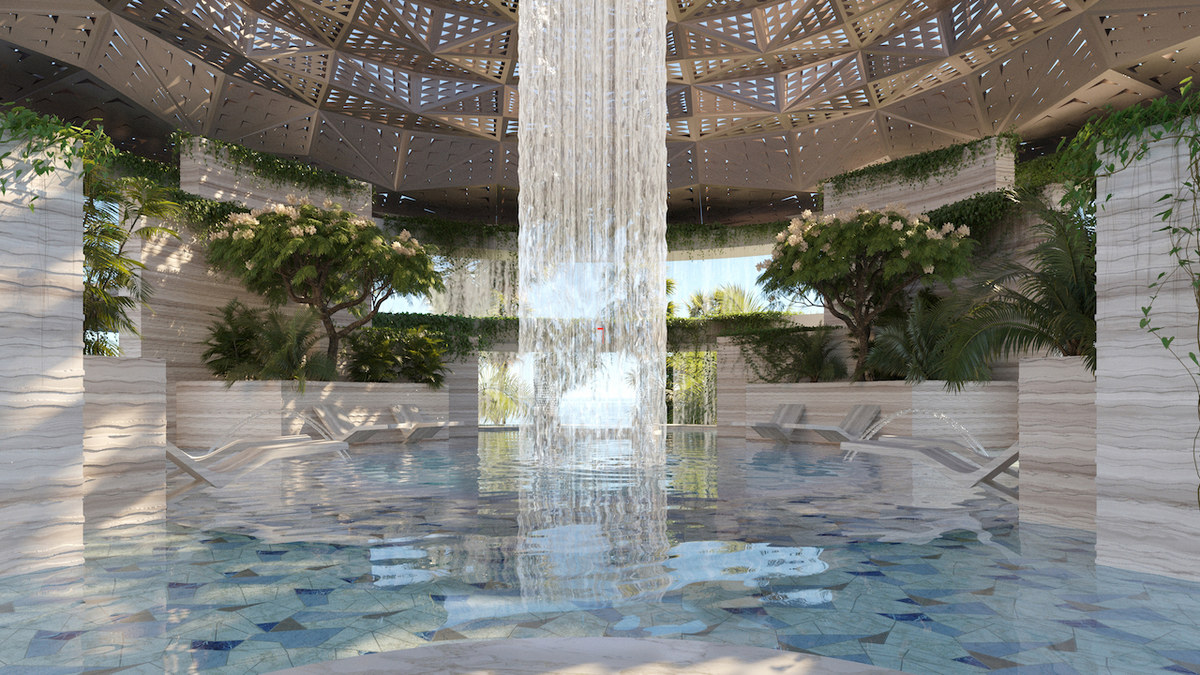
The wellness director was also eager to talk about the spa, which he hoped would be a big attraction for tourists who want to unwind and relieve their muscles.
“The word spa in Latin means Sanus per Aquam meaning health through water,” he said. “If you are healthy, water can further elevate your health and if you suffer from any ailments our wellness and medical staff will advise which pools and treatments are best for you.”
Inspired by the arts, wellness and the purity of the Red Sea, the luxury destination that is hidden in plain sight aims to redefine the definition of “wellness”. It will, not surprisingly, be a place of self-transformation.
People behind this project hope that it would be an added boon to the Kingdom’s economy and could create up to 50,000 jobs in the future.
As a significant driver of domestic and foreign direct investment, stimulating economic growth and job creation, AMAALA will support the diversification of Saudi Arabia’s leisure and tourism industry.


