

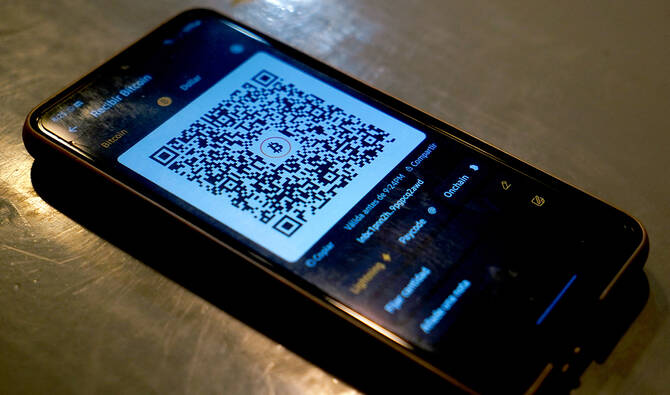

KARACHI: Bank Islami has launched Pakistan’s first Shariah-compliant QR payment gateway enables real-time online payments through dynamic, the bank said on Thursday, adding that the facility allows customers to pay instantly from their bank accounts and enables merchants to receive payments securely through a smooth checkout experience.
The payment gateway, called ‘aikPay,’ is built on the State Bank of Pakistan’s Raast digital payment infrastructure and was launched under Bank Islami’s ‘aik’ digital Islamic banking platform. With aikPay, customers can shop and pay online with greater ease using any Raast-enabled mobile banking app, with instant transaction confirmation and a card-free checkout experience.
Merchants benefit from a wider nationwide reach through Raast interoperability, real-time payment confirmation, instant settlement for improved liquidity, and low-cost payment acceptance through competitive rates, making it a scalable solution for small-medium enterprises, online businesses, institutions, and government entities, according to the bank.
“The world is shifting rapidly with technology, and digital payments have become an everyday habit,” Ashfaque Ahmed, the aik chief officer, said in a statement.
“At aik, we remain steadfast in our mission to promote Riba-free digital banking and support Pakistan’s national direction toward a digital economy by offering innovative solutions that make everyday transactions smoother, faster, and more seamless.”
The Pakistani central bank said in May last year that Islamic banking assets had for the first time reached Rs11.5 trillion ($40.7 billion) by the end of March 2025 as the country actively moved toward implementing a fully Shariah-compliant financial system.
In April 2022, Pakistan’s Federal Shariat Court (FSC) had directed the government to eliminate Riba, or interest, and align the country’s entire banking system with Islamic principles by 2027. Following the order, the government and the State Bank have taken several measures ranging from changing laws to issuing sukuk Islamic bonds to replace interest-based treasury bills and investment bonds.
In Nov. last year, Bank Islami also launched a nationwide outreach program to advance Islamic banking and supporting a Riba-free financial system in the country.
“This outreach program aligns with Bank Islami’s broader mission to promote Shariah-compliant financial inclusion and support policies that encourage ethical banking practices throughout the country,” the bank said at the time.


