LONDON: UN rights experts have called for an end to “misogynistic and sectarian” online attacks against a Muslim Indian woman journalist, asking the authorities to investigate the harassment.
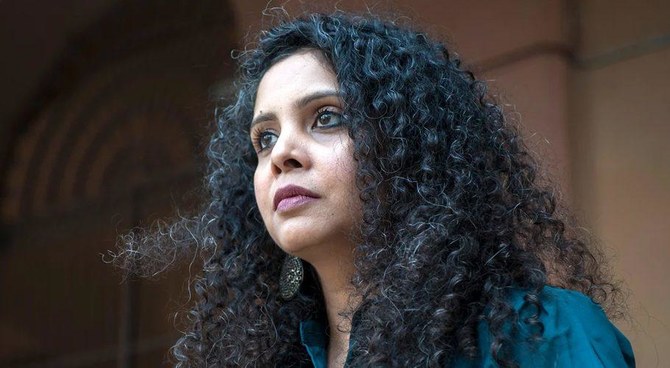
Rana Ayyub, a fierce critic of Prime Minister Narendra Modi and the Hindu nationalist ideology of his Bharatiya Janata Party (BJP), has been the target of a relentless campaign of online abuse — including death and rape threats.
She is the “victim of intensifying attacks and threats online by far-right Hindu nationalist groups,” the independent rapporteurs, who do not speak for the United Nations but are mandated to report to it, said in a statement Monday.
They said these attacks were in response to Ayyub’s reporting on issues affecting India’s minority Muslims, her criticism of the government’s handling of the Covid-19 pandemic, and her commentary on the recent hijab ban at schools and colleges in the southern state of Karnataka.
The rapporteurs added that the Indian government had failed to condemn or investigate the attacks.
She “has been subjected to legal harassment by the Indian authorities in relation to her reporting,” they said, including the freezing of her bank account and other assets.
Ayyub, 37, began as an investigative journalist and wrote a book accusing Prime Minister Narendra Modi of being complicit in deadly sectarian violence in Gujarat in 2002, when he was state premier.
Investigators cleared Modi of involvement.
She has since become a commentator for The Washington Post and other media.
This week, the Post put out a full-page advert saying Ayyub faces threats almost daily and that the free press is “under attack” in India.
The Indian mission at the UN in Geneva tweeted in response to the rapporteurs’ statement that allegations of “so-called judicial harassment are baseless & unwarranted,” and that advancing “a misleading narrative only tarnishes” the UN’s reputation.
Other journalists have also complained of increased harassment under Modi, whose government has been accused of trying to silence critical reporting.
Media rights group Reporters Without Borders places India at a lowly 142 in its World Press Freedom Index, saying that under Modi, “pressure has increased on the media to toe the Hindu nationalist government’s line.”
“The coordinated hate campaigns waged on social networks against journalists who dare to speak or write about subjects that annoy Hindutva (hard-line Hindu ideology) followers are terrifying and include calls for the journalists concerned to be murdered,” according to RSF.
“The campaigns are particularly violent when the targets are women.”


![]()

UN experts slam online attacks on Indian journalist
Short Url
https://arab.news/2d7j6
UN experts slam online attacks on Indian journalist
- UN human rights activists call for an end to “misogynistic and sectarian” online attacks against a Muslim Indian woman journalist


Latest updates


Recommended


© 2026 SAUDI RESEARCH & PUBLISHING COMPANY, All Rights Reserved And subject to Terms of Use Agreement.