- Gen. Ehsan ul Haq says a joint Saudi-Pakistani initiative was a missed opportunity for the US to avoid conflict
- Osama bin Laden’s ability to evade capture on Pakistani soil for so many years was “a huge intelligence failure”
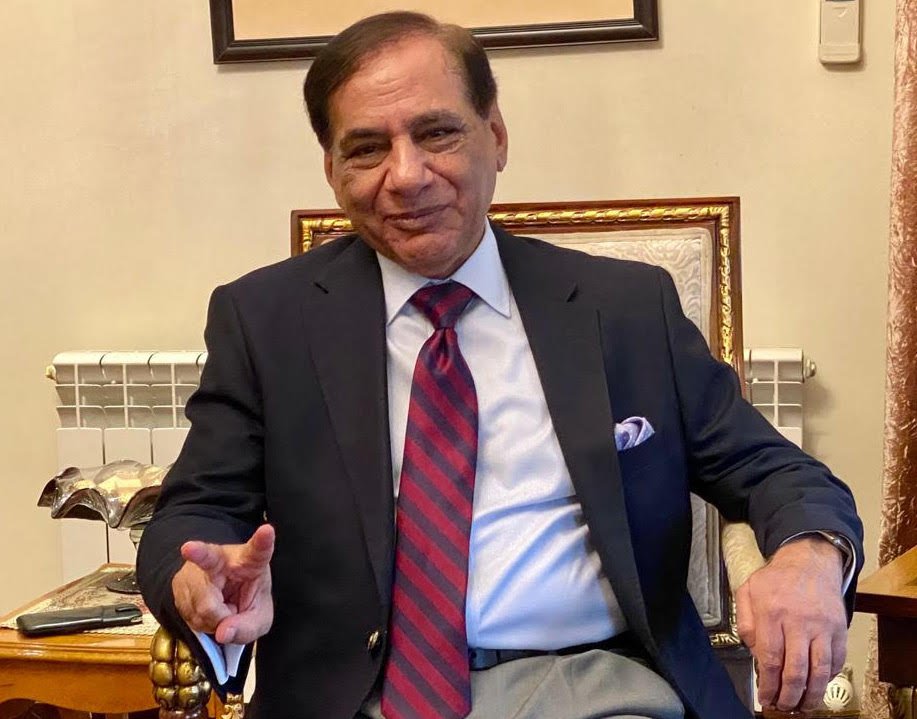
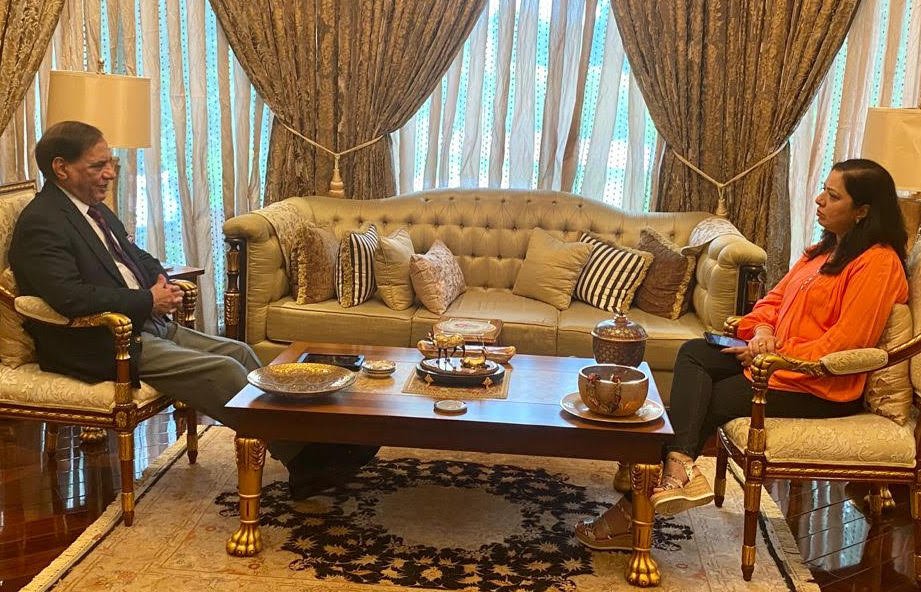
ISLAMABAD: The US could have averted a long and costly war in Afghanistan had it heeded the advice of Pakistani and Saudi officials after the Sept. 11, 2001, attacks, the former head of Pakistan’s Inter-Services Intelligence (ISI) told Arab News in an exclusive interview.
General Ehsan ul Haq became director-general of the ISI, Pakistan’s main spy agency, in October 2001, just weeks after the attacks against the US, and retired six years later, having served as chairman of the Joint Chiefs of Staff Committee. Both positions placed him at the very heart of post-9/11 decision-making in Pakistan and its role in the US war in Afghanistan.
In early November 2001, soon after NATO forces entered Afghanistan, Pakistan mounted a little-known diplomatic effort to rescue the region from chaos and the Taliban from self-destruction, with the assistance of Saudi Arabia.
Haq secretly flew to Washington, carrying a four-page letter from Pakistan’s military ruler, President Pervez Musharraf, addressed to US President George W. Bush.
The letter proposed launching a fresh initiative to resolve the Afghan conflict through negotiations with those Taliban leaders willing to cooperate in the fight against Al-Qaeda — the group held responsible for plotting the 9/11 attacks from its Afghan hideout.
“That was a Pakistan-Saudi Arabia joint initiative,” said Haq, who was interviewed at his home in Islamabad. “I traveled with the late Prince Saud Al-Faisal and we proposed to the US administration at the highest level — the President, the Secretary of State, the director of the CIA and other US leaders — that there should be a UN intervention in Afghanistan.”
Tony Blair, the then British prime minister, reportedly encouraged the initiative and volunteered to raise Musharraf’s concerns privately with Bush. In his 2018 book “Directorate S: The CIA and America’s secret wars in Afghanistan and Pakistan” American journalist Steve Coll said the delegation was given short shrift.
“Blair arrived in Washington on November 7,” wrote Coll. “But when Haq and his Saudi escorts landed soon after, Blair relayed bad news: There was no hope for negotiation, so far as the Bush administration was concerned. The war would go on until the Taliban surrendered unconditionally or were annihilated.”
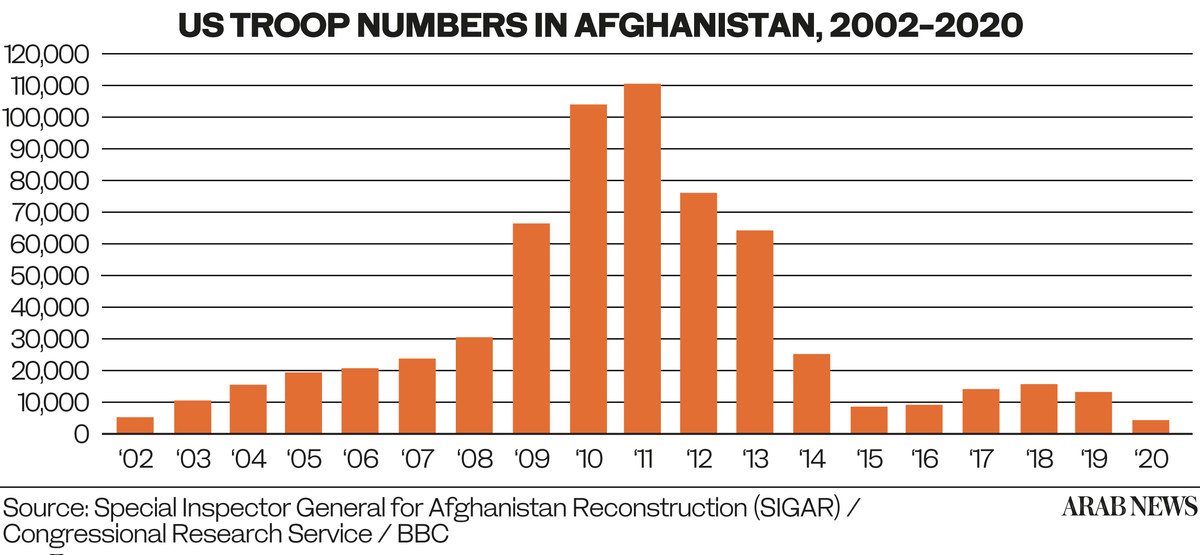
Twenty years on, Haq says the initiative was a missed opportunity for the Americans that could have spared them and the Afghan people much loss of blood and treasure and preserved regional stability.
“The war could have been averted in the first place,” Haq said. “The conflict would have been much shorter if the US had heeded recommendations presented by Pakistan and Saudi Arabia after 9/11.”
Haq said Pakistan and Saudi Arabia “very sincerely” advised the Americans there was no military solution to the situation in Afghanistan and that a political solution backed by the UN was the best option available.
“We said a broad-based consensus government should be brought in under the UN in Afghanistan so that the conflict would not stretch on and strengthen. But unfortunately, our sincere and best efforts were not heeded and the consequence was that the conflict continued for 20 long years.”
There was much debate surrounding Musharraf’s claim in an interview with CBS television in 2006 that the Bush administration threatened to bomb Pakistan “back to the stone age” after the attacks if the country did not cooperate with America’s war in Afghanistan. In response, Richard Armitage, the Assistant Secretary of State, did not deny that Pakistan had been put on notice, but disputed the language used.
However, Haq said that it did not take a phone call to persuade the country: “The US approached Pakistan about 24 to 36 hours (after 9/11). Pakistan had already condemned what had happened and we had already decided that we would stand with the international community and that our response would be in accordance with UN Security Council resolutions.”
Ten years on, relations between Islamabad and Washington hit rock bottom when US special forces launched a cross-border raid, without Pakistan’s prior knowledge, to locate 9/11 mastermind Osama bin Laden, who was hiding out in the Pakistani garrison town of Abbottabad.
Haq said Bin Laden’s ability to evade capture on Pakistani soil for so many years represented “a huge intelligence failure” on Pakistan’s part and was a source of great personal embarrassment.
“I am ashamed as a Pakistani, embarrassed as a former chairman of the joint chiefs of staff, and totally embarrassed as a former DG of ISI of what happened in Abbottabad, as we could not discover Osama bin Laden before the Americans did,” he said.
Looking to the future, Haq says Pakistan will gain “strategically” from the Taliban’s return to power because the change of rulers in Kabul will stop India from using Afghan soil to “destabilize” Pakistan. “We see an end to Afghan elements inimical to Pakistan,” he said.
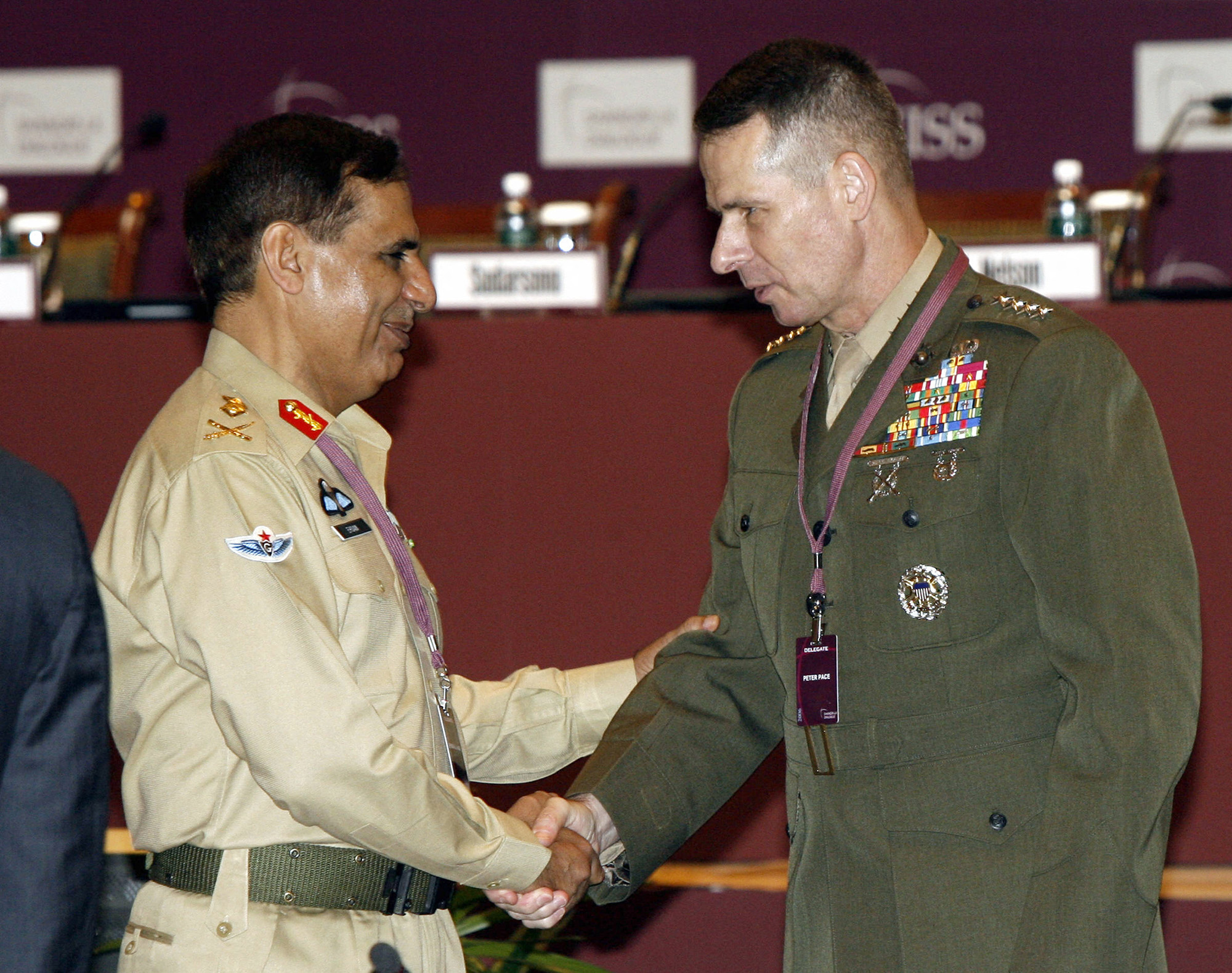
As for the US-Pakistan relationship, Haq believes there is a greater need than ever for its improvement, “because we need the US to help clear the mess and stabilize Afghanistan.” He also urged the Biden administration to recognize and work with the incoming Taliban administration for the sake of the Afghan people.
“If you keep the Taliban government or any other government in Afghanistan on a terrorist and sanctions list of the UN, Afghanistan will not be supported by international organizations,” he said. “And this will affect the behavior of the Taliban government, which will itself create problems.”