WASHINGTON: The United States is “deeply concerned” over the harassment and intimidation of foreign correspondents covering deadly floods in China, a State Department spokesman said Thursday.
His remarks came less than 24 hours after Beijing accused the BBC of broadcasting “fake news” about last week’s devastating flooding in the central province of Henan, and as the British broadcaster said its journalists had been subjected to hostility.
“The United States is deeply concerned with the increasingly harsh surveillance, harassment, and intimidation of US and other foreign journalists in the People’s Republic of China (PRC), including foreign journalists covering the devastation and loss of life caused by recent floods in Henan,” State Department spokesman Ned Price in a statement.
“The PRC government claims to welcome foreign media and support their work, but its actions tell a different story,” Price said.
Chinese foreign ministry spokesman Zhao Lijian had earlier on Thursday called the BBC a “Fake News Broadcasting Company” that has “attacked and smeared China, seriously deviating from journalistic standards.”
The BBC has said its reporters covering the deluge had been subjected to online vitriol, while other outlets had been harassed on the ground in “attacks which continue to endanger foreign journalists.”
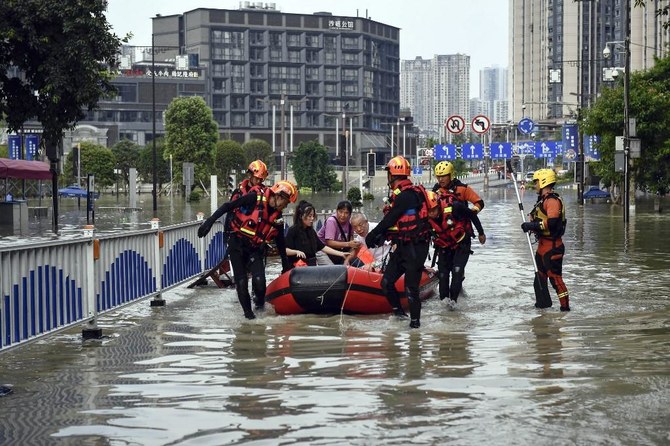
The BBC reported on last week’s floods in the city of Zhengzhou which left 14 people dead and more than 500 commuters trapped when the city’s subway system flooded during rush hour just as sensitivity toward any negative portrayal of China mounts.
Reporters from AFP were forced by hostile Zhengzhou residents to delete footage and were surrounded by dozens of men while reporting on a submerged traffic tunnel.
Zhao on Thursday said foreign correspondents “enjoy an open and free reporting environment in China.”
But press freedom groups say the space for overseas reporters to operate is tightening, with journalists followed on the streets, suffering harassment online and refused visas.
In his statement Thursday, Price urged China to not curtail press access to the 2022 Beijing Winter Olympics.
“We call on the PRC to act as a responsible nation hoping to welcome foreign media and the world for the upcoming Beijing 2022 Winter Olympic and Paralympic Games,” his statement said.


![]()

US condemns ‘harassment’ of foreign journalists in China
Short Url
https://arab.news/nc8zy
US condemns ‘harassment’ of foreign journalists in China
- The US is “deeply concerned” over the harassment and intimidation of foreign journalists covering floods in China
- The statement comes after foreign correspondents in China, including BBC reporters, were subject to online harassment and death threats


Latest updates


Recommended


© 2026 SAUDI RESEARCH & PUBLISHING COMPANY, All Rights Reserved And subject to Terms of Use Agreement.