Dhat Al-Hajj fort lies between the Halat Ammar Center and Tabuk city on the ancient Shami Hajj Road, also known as Al-Tabukiya road, which was once a popular route for pilgrims from the Levant traveling to Makkah and Madinah.
Many of them would take the opportunity to rest at the fort during their long journey, and it was also a convenient meeting point for convoys of pilgrims — thus becoming a place where cultures would often mix, swap stories and trade goods.
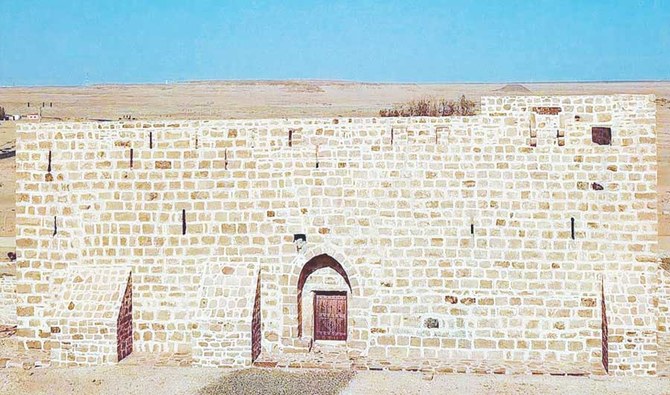
Built in 1564 CE, Dhat Al-Hajj is a fine example of the regional architecture of the time and is one of the most historically significant forts on the Shami Hajj Road. Its name is reportedly derived from a plant that grew abundantly in the area.
The fort is a rectangular five-room building, with an entrance in the western wall through to the interior courtyard. Outside the fort stands a pool that is the source of the drinking areas used by passers-by.
A prosperous village grew up around the fort, providing accommodation for pilgrims and a place to top up their stores of food and water. The location became still more important when the Hijazi Railroad was established in the early 20th century.
Despite their names, both the fort and the road were used throughout the year by merchants, and not just by pilgrims during Hajj.


![]()

ThePlace: Dhat Al-Hajj, a historically significant fort on the Shami Hajj Road in Tabuk
Short Url
https://arab.news/2p4gw
ThePlace: Dhat Al-Hajj, a historically significant fort on the Shami Hajj Road in Tabuk
- A prosperous village grew up around the fort, providing accommodation for pilgrims and a place to top up their stores of food and water


Latest updates


© 2026 SAUDI RESEARCH & PUBLISHING COMPANY, All Rights Reserved And subject to Terms of Use Agreement.