
DUBAI: Despite recent progress, women remain a minority in the science, technology, engineering and mathematics (STEM) professions, especially in the Middle East and North Africa.
On the upside, with a growing number of Saudi women opting for careers in STEM and contributing to a more gender-balanced work environment, the Kingdom’s industrial sector is leading the way in inclusivity.
Razan Alraddadi, a development specialist at Amaala — one of the Kingdom’s Vision 2030 megaprojects planned on the Red Sea coast — and Ruaa Mahmoud, a graduate consultant at WSP Middle East — a leading professional-services consultancy — are among the new crop of Saudis blazing a trail for women in STEM.
“Like most engineering students, I was good at math and I loved problem solving,” Alraddadi said in a recently recorded podcast titled “Engineering role models for a more diverse future,” hosted by WSP and Amaala.
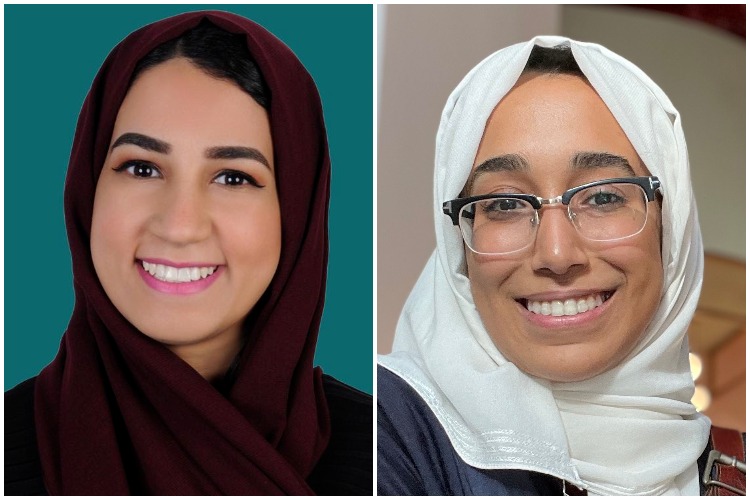
Razan Alraddadi (L) is a development specialist at Amaala and Ruaa Mahmoud (R) is a graduate consultant at WSP Middle East. (Supplied)
“I was a creative child growing up. I was solving everything that was broken around the house. My father noticed that and said he thought I’d make a good engineer and the first woman engineer in our family.”
The podcast was broadcast to mark International Women in Engineering Day, which this year took place on June 23. The objective was to raise the profile of women in engineering professions and focus attention on the career opportunities available to aspiring technologists.
Alraddadi recalled the first year of her scholarship at the University of Washington in 2014, where she found women significantly underrepresented in engineering courses.
But after listening to a female electrical engineer from NASA sharing her experiences during a panel discussion led by the Society of Women Engineers, she was filled with inspiration.
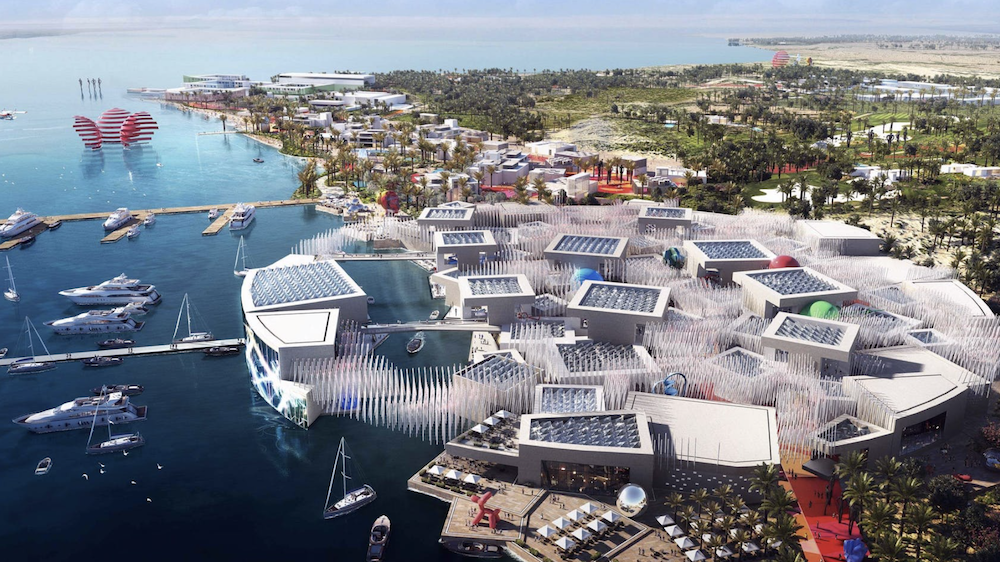
A rendering of Amaala, on the Red Sea coast, where Razan Alraddadi works as a development specialist. Amaala will be an ultra-luxurious international destination, and one of Saudi Arabia’s key Vision 2030 megaprojects. (Supplied/Amaala)
“It wasn’t until that moment that I saw another woman in engineering excelling. At that moment, I had the confidence needed to continue my career in engineering,” said Alraddadi.
“Since that day, it has been an amazing experience joining Amaala as an engineer, and I’m surrounded by an amazing team of engineers in a very inclusive and very good environment for women and engineering.”
For Mahmoud, the turning point came after she saw the 2006 American drama “The Astronaut Farmer,” in which a Texas ranger constructs a rocket in his barn in order to launch himself into space.
The movie sparked her interest in astrophysics and aeronautic engineering, and taught her that anything is possible with grit and determination — even visiting outer space.
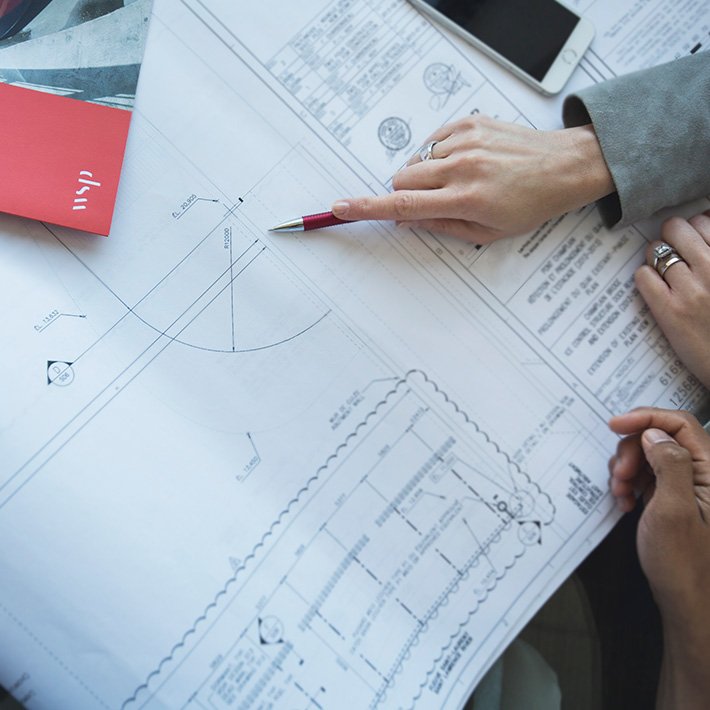
WSP provides opportunities for young Saudis working in STEM, and Saudi women are at the forefront of delivering Vision 2030. (Supplied/WSP)
“As a child, I felt like it was realistic and, growing up, I continued to feel that I’d get there,” she said.
“That’s what actually encouraged me to choose electrical and computer engineering — whatever would get me to work on spacecraft, autonomous systems or robotics that would help astronauts or help me get to the International Space Station and assist that vision of going into space.”
Both women recall forming a strong bond and a common sense of mission with the other women on their undergraduate engineering courses.
“You kind of formed this squad or this sisterhood-like group where we thought, ‘OK, we can conquer the world’,” Mahmoud said.
Although racked with self-doubt when she first arrived at university, Alraddadi soon found a support network that gave her the encouragement she needed throughout her studies. “That’s when I knew engineering was such a good major and career path,” she said.
Women in STEM
* June 23 has been designated International Women in Engineering Day.
* 8% - Female enrolment in engineering, manufacturing and construction courses worldwide in 2018 (UNESCO).
According to 2018 figures from the UNESCO Institute for Statistics, just 28.8 percent of the world’s researchers are women.
Female enrollment in engineering, manufacturing and construction courses stand at just 8 percent worldwide, while in natural sciences, mathematics and statistics, it is even lower — 5 percent. For information and communications technology, the figure drops to a paltry 3 percent.
In the Middle East, women now account for almost half of the total STEM student population.
And although 38 percent of Saudi graduates in the field are women, only 17 percent of them work in STEM sectors.
Women such as Mahmoud and Alraddadi are defying that trend. After studying abroad, they both chose to return to the Kingdom to launch their careers.
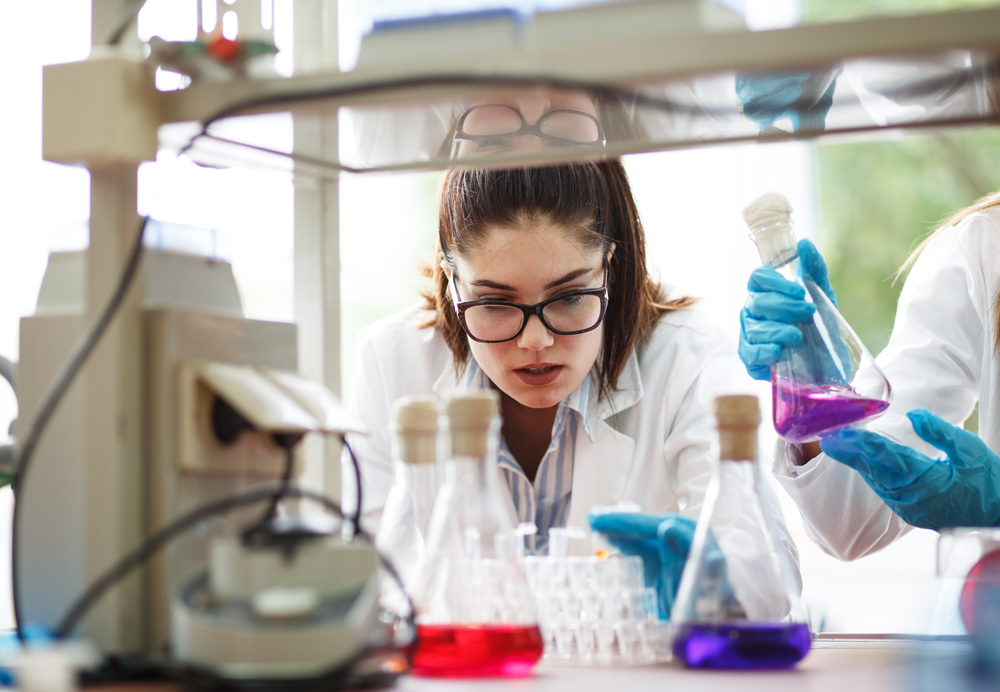
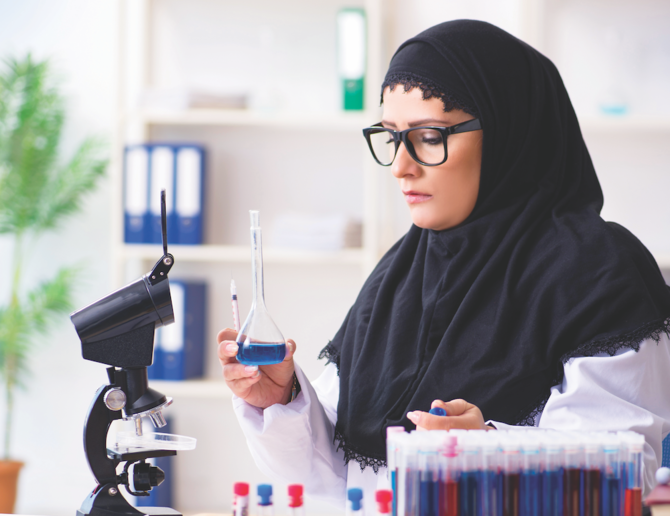
In the Middle East, women now account for almost half of the total STEM student population, reflecting the societal reforms for women in Saudi Arabia. (Shutterstock)
Alraddadi said: “I chose to come back to be around my family in my home country, working on a very big project that will potentially be revolutionary in Saudi Arabia’s history. So, definitely having those opportunities back home influenced my decision and made me so excited and proud to be back in Saudi Arabia.”
Providing graduate programs for both genders, such as the one hosted by WSP Middle East, is seen as a vital first step to attracting more female engineers to the industry and students into these fields.
But based on Mahmoud’s experience, gender stereotypes and cultural norms concerning the role of women in vocations traditionally dominated by men persist in the Middle East in general, and in the Kingdom in particular.
“I’ve been told that numerous times, and I’ve had friends who’ve been told that as well,” she said. “We need to break that barrier down and just talk with our community, our people, friends and family about how it’s normal for women in engineering to pursue such fields or to pursue such jobs.”
For Alraddadi, who has been working with Amaala for nine months, engineering could be made more attractive as a career path for women if their work, projects and lives were properly highlighted.
“I also believe in graduate programs that will take you and train you as an engineer after you graduate,” she said.
“That would make you feel like engineering is a really good profession in a place you’d benefit from.”
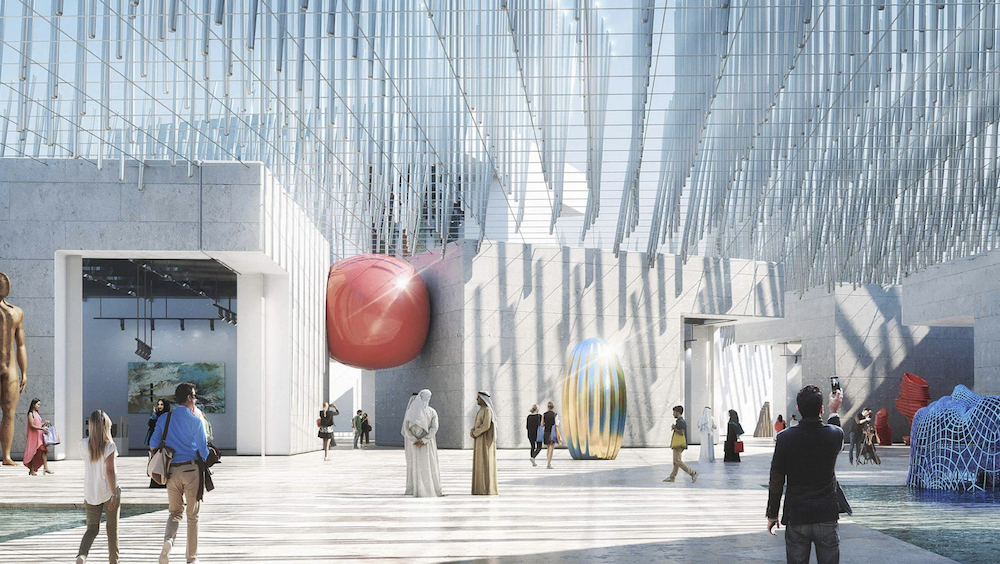
For Alraddadi, who has been working with Amaala (pictured) for nine months, engineering could be made more attractive as a career path for women if their work, projects and lives were properly highlighted. (Supplied/Amaala)
Working in the industry has helped both women advance personally and professionally. Alraddadi said: “As I continue to grow in my career, I’ll learn more and get more involved. It’s a learning process every day, and I feel like every day I’m discovering something new that I want to learn so much.”
Mahmoud believes working in the industry, as opposed to merely studying engineering, has provided her with a much broader view of the avenues open to her.
“Working at WSP, I’ve learned things that I wouldn’t otherwise have known, especially in construction, like electrical engineering,” she said.Globally, although women in STEM fields tend to have higher salaries than those in non-STEM fields, there still exists a gender pay gap in STEM professions.
Women in these professions also have higher rates of attrition than both their male counterparts and women in other non-STEM professions.
Even so, as noted by Shona Wood, the Gender Balance Steering Committee representative and head of integrated project delivery and architecture at WSP Middle East, the traditionally male-dominated industrial environment is undergoing a transformation as more and more women discover the rewards of a career in engineering.
“However, we all have a part to play in nurturing the development and pathways of future engineers,” she told podcast listeners.
“The key to this will be ensuring all industry professionals — both male and female — unite to empower our female youth by being bold allies and ensuring their voices are heard as they navigate the road to a more diverse future.”
--------------------
Twitter: @CalineMalek