- Mega-rounds and strategic deals signaling investors’ continued appetite
RIYADH: Capital kept moving across the Middle East and North Africa as January came to an end, with mega-rounds, record local fundraises, and strategic deals signaling investors’ continued appetite for scalable platforms, from property and wealth tech to insurance tech, mobility, and Arabic-first artificial intelligence.
Saudi Arabia-based wealthtech Vennre raised $9.6 million in a pre-series A round structured through a mix of equity and debt.
The round was co-led by Vision Ventures and anb seed Fund, with participation from Sanabil 500, Ace & Co, Plus VC, and a group of strategic individual investors.
Founded in 2021 by Ziad Mabsout, Anas Halabi, and Abdulrahman Al-Malik, Vennre focuses on providing high earners with Shariah-compliant access to private market investments.
The company said the new capital will be used to expand its client base, roll out new platform features, and deepen its presence in Saudi Arabia in line with Vision 2030 and the growth of the local fintech sector.

Property Finder secures $170m
UAE-based property tech Property Finder has raised $170 million in new funding led by Mubadala Investment Company, alongside another UAE sovereign wealth fund and BECO Capital.
Under the transaction, Mubadala and the second sovereign investor will each invest $75 million, while BECO Capital will commit $20 million from its recently launched $250 million Growth Fund I.
Founded in 2007 by Michael Lahyani and Renan Bourdeau, Property Finder operates a marketplace that enables users to search for properties to buy or rent using advanced filtering tools.
The investment follows a $525 million round in 2025 led by Permira, with significant participation from Blackstone Growth, bringing total equity raised to nearly $700 million.
The company has also secured $250 million in debt financing from Ares Management and HSBC, making it one of the largest funding stories in MENA tech.
Property Finder said the fresh capital will support its ambition to build the region’s leading real estate operating system, focused on transparency, trust, and data-driven decision-making.
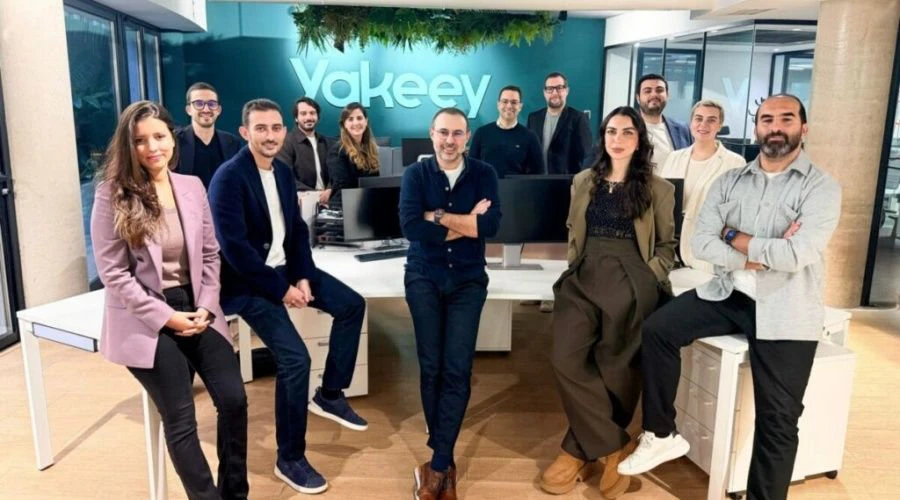
Yakeey sees record Moroccan series A round
Beltone Venture Capital has made a strategic equity investment in Moroccan proptech Yakeey as part of the startup’s $15 million series A round, the largest completed in Morocco to date.
The round also includes IFC, Enza Capital, and 212 Founders. Founded to modernize Morocco’s fragmented real estate sector, Yakeey is building an end-to-end digital platform that integrates property search, valuation, brokerage, and financing.
The company said its early scalability and growing broker network position it for regional expansion as demand rises for transparent, digitised real estate services across North Africa.
Enakl closes $2.3m seed round
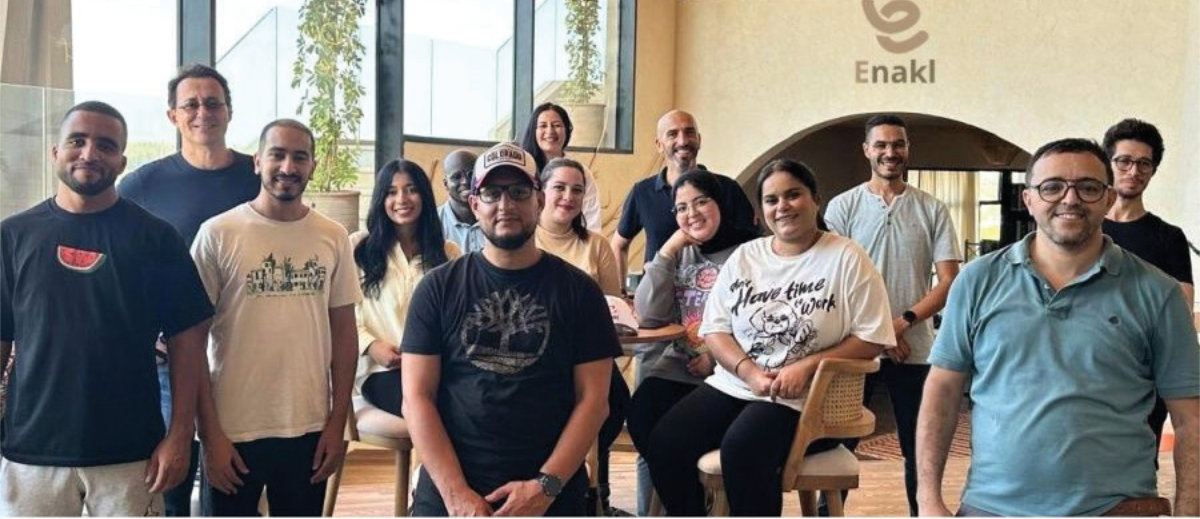
Startup Enakl has closed a $2.3 million seed funding round, finalized in December, following an initial $1.4 million round completed at the end of 2024.
The round brought in new Moroccan investors Azur Innovation Fund, Witamax, and MFounders, alongside reinvestment from Catalyst Fund and Digital Africa.
Founded in 2022 by Samir Bennani and Charles Pommarede, Enakl develops technology to design and manage flexible shared transport networks for companies and public-sector actors.
The company said the funds will be used to strengthen commercial teams, launch the first version of its Software-as-a-Service product, and test new development models for ridepooling fleets, following its first pilot public contract with the Casablanca–Settat Region.
Glamera Holding signs MoU to acquire Bookr Group
Middle East–based lifestyle technology platform Glamera Holding has signed a memorandum of understanding to acquire Bookr Group, a multi-market operator active across Kuwait, Bahrain, and Saudi Arabia.
Founded in 2022 by Mohamed Hassan Hijazi and Omar Fathy, Glamera operates a technology platform for the beauty and wellness sector and has processed transactions exceeding SR4 billion ($1.07 billion), supporting more than 4,500 service providers.
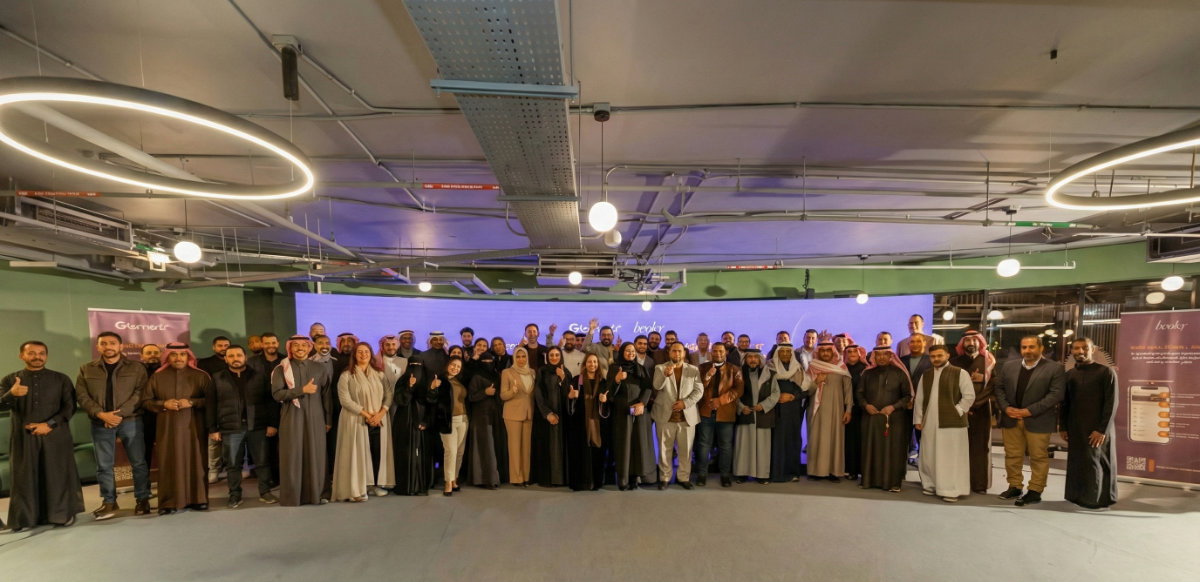
Bookr Group runs a service-provider management platform and consumer booking application with more than 300,000 users.
Glamera said the acquisition will strengthen its regional footprint and support its ambition to build a unified, AI-powered ecosystem for service providers and end users, with the combined platform expected to serve millions across the Middle East.
Mantas raises $1.77m seed
UAE-based insurance tech Mantas has emerged from stealth with a $1.77 million seed funding round to launch parametric insurance products covering cloud outages and digital downtime.
The round includes Nuwa Capital, Suhail Ventures, and Plus VC, as well as OQAL Angel Syndicate, and a group of angel investors.

Founded in 2024 by Basil Mimi, Mantas combines cloud outage insurance with real-time risk monitoring, targeting digital-first businesses such as fintechs, airlines, e-commerce platforms, SaaS providers, and regulated enterprises.
The company said the funds will support product development, risk modelling, and early customer deployments across MENA and North America.
Juthor raises $500k pre-seed
Saudi Arabia-based e-commerce startup Juthor has raised $500,000 in a pre-seed round led by Flat6Labs, with participation from angel investors.

Founded in 2025 by Lolwah Binsaedan and Irfan Khan, Juthor is building a cloud-based platform to help retailers manage sales across multiple online marketplaces through real-time stock synchronization and AI-driven customer insights.
The company said the capital will be used to build scalable infrastructure and accelerate product development in Saudi Arabia and beyond.
Yozo.ai secures $1.7 million pre-seed
UAE-based e-commerce AI startup Yozo.ai has raised $1.7 million in pre-seed funding, with the round co-led by Access Bridge Ventures and Disruptech Ventures, with participation from Arzan VC, Oraseya Capital, and Plus VC, as well as Suhail Ventures, Glint Ventures, and M-Empire Angels.
Founded in early 2025, Yozo builds an AI-native revenue engine designed to automate e-commerce growth and retention marketing.
The company said the funding will support product development and international expansion beyond MENA.
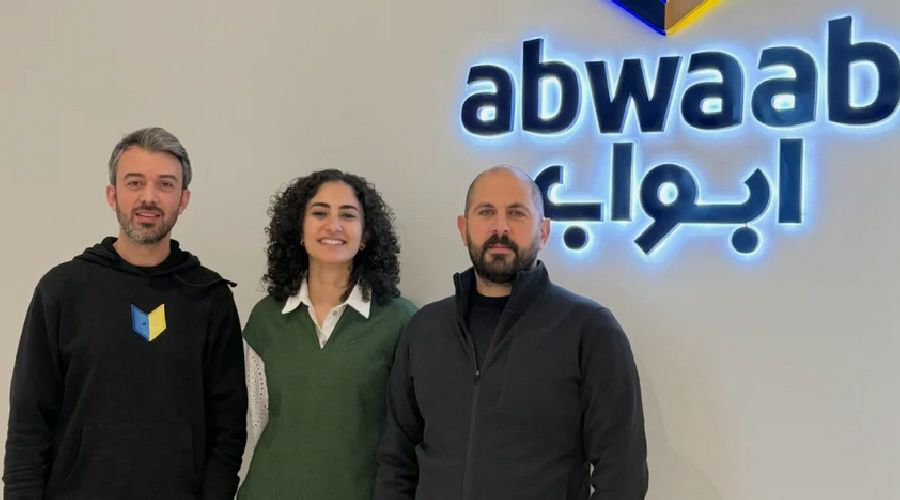
Abwaab acquires Apex Education
Jordan-based education tech platform Abwaab has acquired Egypt-based college admissions advisory Apex Education for an undisclosed amount.
Founded in 2019, Apex Education provides personalized admissions guidance to students applying to leading global universities, while Abwaab operates a digital tutoring platform across Jordan, Egypt, and Pakistan.
Abwaab said the acquisition strengthens its end-to-end offering, extending from tutoring through to international university admissions.
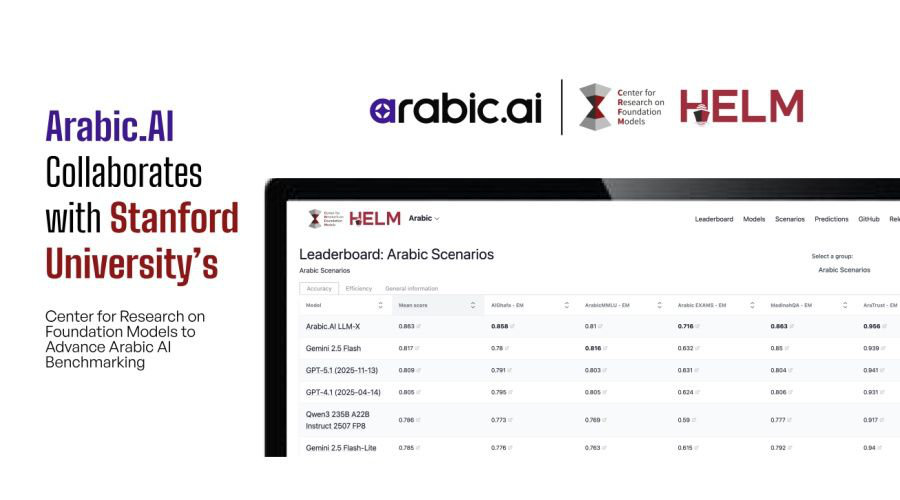
Arabic.AI collaborates with Stanford University
Arabic.AI has announced a collaboration with Stanford University’s Center for Research on Foundation Models to establish the first holistic benchmark for evaluating Arabic large language models.
The initiative will extend Stanford’s HELM framework into Arabic, providing a transparent and reproducible reference for assessing model performance and risk.
Arabic.AI said the collaboration supports its mission to advance Arabic-first AI models while contributing a public research asset for the wider AI and enterprise ecosystem.