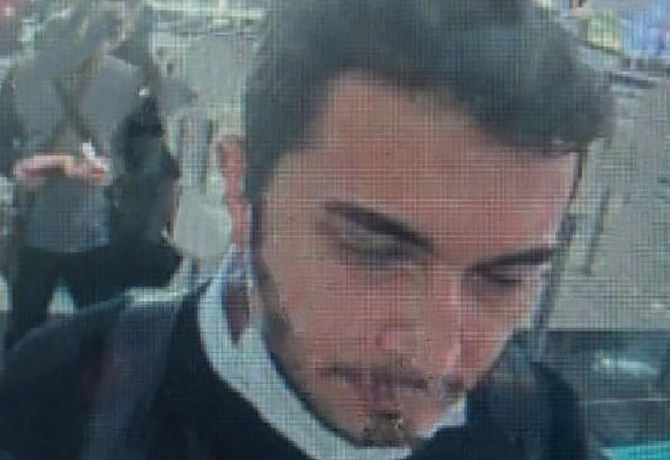


ANKARA: Turkey’s cryptocurrency market has seen its first large-scale fraud case after the founder of cryptocurrency exchange Thodex, Faruk Fatih Ozer, fled the country with about $2 billion, leaving more than 391,000 users defrauded.
Ozer reportedly escaped to Albania.
In collaboration with Turkish authorities, Interpol has issued a red notice for the fugitive wanted for prosecution.
Although an investigation was launched into the company whose accounts were blocked by the financial crimes investigation board MASAK on April 21, the scheme revealed loopholes in the system.
The company has operated since 2017. It recently shut down services for several days, saying that it will allow outside investment from “prestigious banks and funding companies” in order to serve partners.
However, shortly after the statement, users began facing problems with money transfers before the site became inaccessible.
The daily volume of cryptocurrency trading in Turkey is believed to be about $1-$2 billion.
The fraud case is the largest in Turkish history, and coincided with an overnight decision by the Central Bank of Turkey to ban the use of digital currencies and assets to pay for goods and services from April 30.
Among other decisions, the central bank also targeted people and companies that fund illegal activities or facilitate money laundering through cryptocurrencies.
The Thodex founder was previously photographed in a meeting with several top Turkish policymakers.
According to a report by the World Economic Forum, Turkey ranked fourth among the 74 largest economies in the world and first in Europe for cryptocurrency adoption by the population.
“Thodex, as a cryptocurrency trading platform, is just another company in Turkey, and there are no laws for this kind of setup,” Fatih Guner, an expert on the cryptocurrency market, told Arab News.
Recent polls revealed that between 16 and 20 percent of Turks used or owned cryptocurrencies last year.
“The adoption is high, but the literacy is not that high. And the lack of literacy is crucial for cryptocurrency trading platforms because these platforms only make money if people buy and sell coins on their platforms. Exchanges from all over the world are investing in PR and dark marketing to gain new amateur traders, with influencers, YouTube creators, newsletter writers and Twitter trolls,” Guner said.
According to Guner, influencers work with exchanges to encourage inexperienced investors with false claims of profit.
“Turkey is a haven for coin exchanges because of the lack of legislation. The government has to step up and legislate heavily,” he said.
“In recent years, we saw that Turkish people heavily indulged in the lottery, football bets and all kinds of lawful gambling. The government seems to see exchanges as some other kind of gambling and loosely controls them to keep people busy while they live on the edge of poverty. Turkey’s cryptocurrency adoption rate is fourth in the world after Nigeria, Vietnam and the Philippines. The economic resemblance is uncanny,” Guner added.
Experts have long urged the government to take tougher measures to deal with criminals who defraud amateur cryptocurrency investors.
In March, a man in the southern Turkish city of Antalya killed his two children and wife before committing suicide after losing a large sum of money in Bitcoin investments.