MAKKAH: Jazan is one of the most promising regions in Saudi Arabia for investment, due to its tourism and agricultural assets, as well as its maritime wealth from fishing and its two commercial ports.
Dr. Majed Al-Gohary, secretary-general of the Jazan Chamber of Commerce and Industry, told Arab News: “Jazan is achieving major success (under) King Salman and Crown Prince Mohammed bin Salman, who launched the Kingdom’s Vision 2030, which had positive repercussions on economic development in the Kingdom generally, and Jazan in particular.”
He added that Jazan Economic City had been created, on a total area of 145 million square meters, which would enable the establishment of 250 new factories in the region.
“In addition, the giant Saudi Aramco Jazan Bulk Plant is located in the region, and is the biggest oil refinery in the Kingdom — the fourth biggest refinery worldwide — with a total capacity of 420,000 barrels per day of Arabian Heavy and Arabian Medium crude oil, representing 17.5 percent of the gross production of Saudi refineries.”
Jazan’s attractiveness for business investment is helped by its location on the Red Sea close to the Horn of Africa and the Yemeni border, which generates various export and commerce opportunities for all industrial, agricultural, and fish producers in the region. Al-Gohary noted that Jazan Port and the Port of Jazan Economic City were key outlets for exporting these goods.
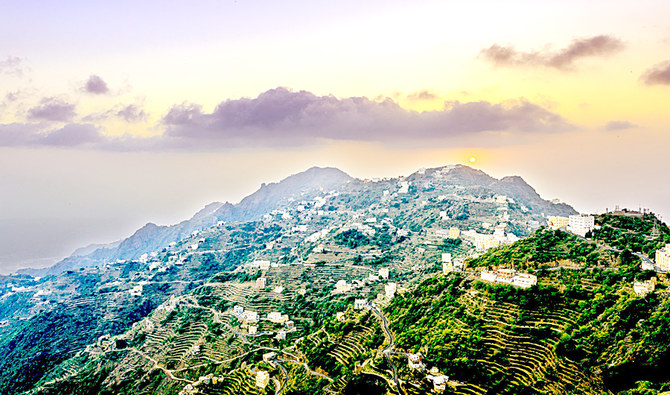
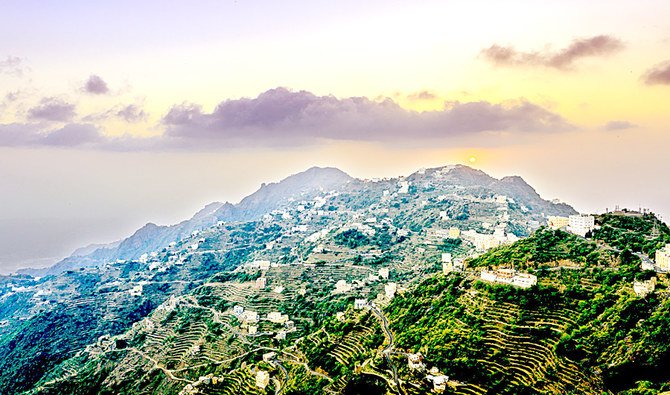
Al-Gohary also played up Jazan’s potential as a tourism destination. “Jazan’s mountainous areas provide visitors with fascinating scenes and a comprehensive natural map with beaches, islands, mountains, valleys, hills, plateaus, and deserts, and with diversified mountainous, coastal, and desert climates, all of which are attractions for tourists who visit the region to enjoy the culture and heritage of the region,” he said.
FASTFACTS
• Jazan’s attractiveness for business investment is helped by its location on the Red Sea close to the Horn of Africa and the Yemeni border, which generates various export and commerce opportunities for all industrial, agricultural, and fish producers in the region.
• There are 80 islands off Jazan, including the famous Farasan Island with its turquoise-colored waters, nature, beaches, coral reefs and warm climate.
• The giant Saudi Aramco Jazan Bulk Plant is also located in the region, which is the biggest oil refinery in the Kingdom and the fourth biggest worldwide.
There are 80 islands off Jazan, including the famous Farasan Island with its turquoise-colored waters, nature, beaches, coral reefs and warm climate.
“All this contributes to Jazan’s richness in various tourist destinations, where reality merges with imagination with its historical castles, towers, and markets,” he added.
Regarding ways to attract economic interest from outside the region, Al-Gohary said: “We have many mechanisms to attract and develop investments in Jazan, including promotion by the official state agencies like the Ministry of Commerce and Investment, the Ministry of Tourism, and the Investment Council in Jazan headed by Jazan Gov. Prince Mohammed bin Nasser bin Abdul Aziz.”
In addition, the Jazan Chamber of Commerce hosts many foreign investment delegations to introduce them to the business environment in the region, and publishes studies about feasible investment opportunities in all economic sectors and activities, he added.
The chamber, he said, contributes to organizing various activities that advertise investment opportunities, whilst the Saudi Industrial Development Fund provides loans covering 75 percent of the cost of new industrial projects in the region over a period of 20 years.
“The concerned agencies in Jazan region work on supporting and encouraging the establishment of projects in all governorates of the region,” he said.

keywords