

Saudi Arabia approves Oxford-AstraZeneca COVID-19 vaccine

1 / 2
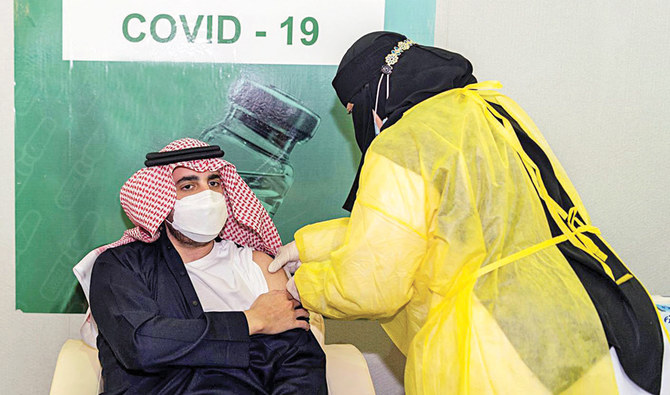
Jouf Gov. Prince Faisal bin Nawaf bin Abdul Aziz receives the first dose of coronavirus vaccine in Sakaka on Thursday. (SPA)
2 / 2
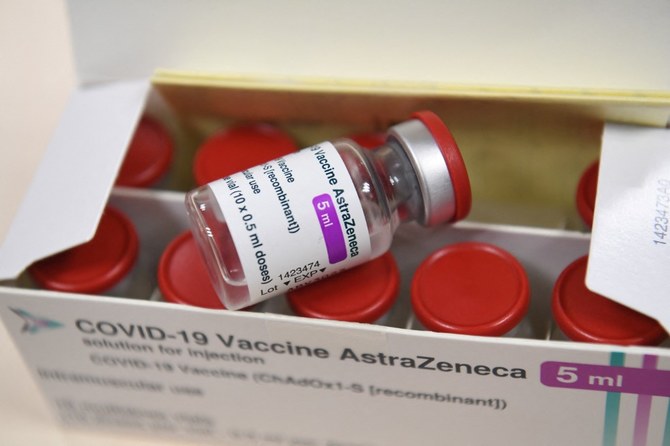
The SFDA gave clearance for the administration of the jab based on data provided by the manufacturers. (File/AFP)
Short Url
Updated 19 February 2021
Follow

Saudi Arabia approves Oxford-AstraZeneca COVID-19 vaccine

  • The authority uses a scientific process to approve vaccines based on safety and efficacy results of clinical studies
  • The SFDA gave clearance for the administration of the jab based on data provided by the manufacturers

JEDDAH: The Saudi Food and Drug Authority (SFDA) on Thursday approved the importation and use of the Oxford-AstraZeneca vaccine against the coronavirus disease (COVID-19).

The SFDA gave clearance for the administration of the jab based on data provided by the manufacturers, but will test the vaccine once they receive the shipments, the Saudi Press Agency reported.
The authority uses a scientific process to approve vaccines based on safety and efficacy results of clinical studies and other data provided by manufacturers, the report added.
Health Ministry spokesman Dr. Mohammed Al-Abdulaali said: “We have exceeded half-a-million doses of the coronavirus vaccine, and the plan to expand continues to accelerate.” He added that the National Committee for Infectious Diseases has approved one dose for those who have previously been infected with the virus six months on from their recovery.


The dose, he said, is considered a booster for the natural immunity that they have formed, and the health status in Tawakkalna app will be “immune-recovered.”
He also stressed that vaccines are a strong weapon to combat the pandemic, and that all vaccines given in the Kingdom are safe and effective.
Saudi Arabia’s armed forces announced on Wednesday that they will inoculate their employees against COVID-19.
Maj. Gen. Mohammed Al-Balawi, deputy commander of the Saudi Air Defense Forces, held a meeting to review the plans and initiatives.
Leaders from the Kingdom’s regions, air bases, fleets and other groups were in attendance, along with a team from the Ministry of Defense’s temporary crisis support cell for the coronavirus pandemic.

FASTFACTS

374,029 Total cases

365,017 Recoveries

6,450 Deaths

They urged employees to register their data through their units in the ministry’s inoculation system and to continue to adhere to precautionary measures.
The Kingdom launched its coronavirus vaccination campaign on Dec. 17, 2020 after receiving its first consignment of the Pfizer-BioNTech vaccine a day before in an effort to control the outbreak.
Saudi Arabia is the second country in the Gulf Cooperation Council, after Bahrain, to use the Pfizer-BioNTech vaccine after it was approved by SFDA.
Saudi Arabia announced five COVID-19-related deaths on Thursday. Its death toll now stands at 6,450.
The Ministry of Health reported 327 new cases, meaning that 374,029 people have now contracted the disease. There are 2,562 active cases, 493 of which are critical.
In addition, 371 more patients have recovered, bringing the total number of recoveries in the Kingdom to 365,017.
Saudis and expats in the Kingdom continue to receive their doses of coronavirus vaccines, with 501,710 doses give in the past 24 hours. Those wishing to receive a vaccine should register through the Ministry of Health’s Sehhaty app.

The Kingdom vs. COVID-19
How Saudi Arabia acted swiftly and coordinated a global response to fight the coronavirus, preventing a far worse crisis at home and around the world

Enter


keywords

Klija Festival in Buraidah empowers small businesses

Updated 24 January 2026
Follow

Klija Festival in Buraidah empowers small businesses

  • Half a million attend 15-day celebration of heritage; event creates 1,500 seasonal jobs

RIYADH: The 17th Klija Festival in Buraidah drew more than half a million visitors during its 15-day run, celebrating the region’s heritage and entrepreneurial spirit.

Organized by the Qassim Chamber of Commerce, the event highlighted small businesses, providing a platform for entrepreneurs to showcase local products.

More than 340 sales outlets, marketing corners and points of sale welcomed attendees, while the festival provided 1,500 seasonal job opportunities, the Saudi Press Agency reported.

The small business pavilions featured families in the cottage industry, artisans and startups presenting traditional foods, and handicrafts and heritage items that reflect the region’s identity.

Participants said that the festival was a key marketing platform, boosting sales, increasing brand awareness, facilitating knowledge exchange and fostering connections with organizations supporting SMEs.

Mohammed Al-Hanaya, Qassim Chamber secretary-general and festival supervisor, said that the event brought together families, artisans, SMEs, companies and institutions, stimulating commercial activity, opening direct marketing channels and enhancing economic returns.

He added that the festival provided seasonal jobs for more than 1,500 young men and women across operations, marketing and services, supporting the labor market, empowering national talent, and connecting youth to the events and creative economy.

Klija, a traditional cookie made from wheat flour, dates or sugar, date syrup and natural ingredients such as cardamom and lemon, is a rich source of energy, carbohydrates, dietary fiber and natural proteins.

A cultural icon rooted in Qassim’s traditions, the cookie has gained international exposure through the festival, expanding the availability of packaged products.

Starting next year, the festival will be renamed the International Klija Festival, a rebranding approved by Qassim Gov. Prince Faisal bin Mishaal, who described it as a “successful model for turning local initiatives into global economic engines.”

This year’s festival, held at the King Khalid Cultural Center, included international participants from Egypt, Turkiye and Morocco, marking its evolution into a cross-cultural platform.