Saudi leadership in Islamic finance set to continue into 2021: expert

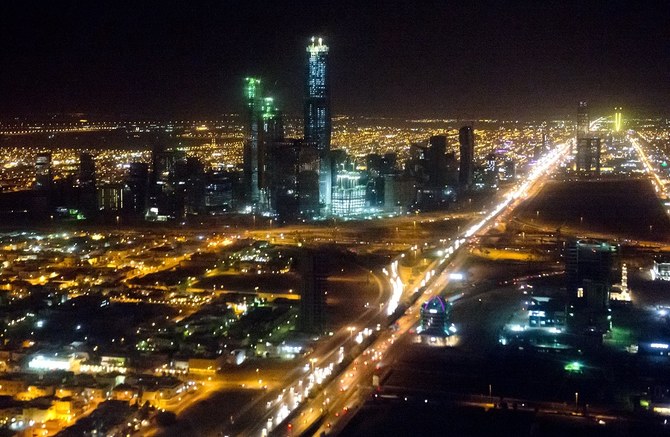
Saudi Arabia was historically known only to lead in countries where there was dual Islamic and conventional financing. (File/AFP)
Short Url
Updated 31 January 2021
Follow

Saudi leadership in Islamic finance set to continue into 2021: expert

  • Islamic finance expert from Fitch Ratings said Saudi Arabia leads the Middle East and world in Islamic finance
  • Normalization of GCC-Qatar ties and growing emphasis on green finance are positive developments for the Kingdom

LONDON: Saudi leadership in the Islamic finance economy looks set to continue into 2021, according to a senior industry expert, who explained that the end of the GCC rift and growing emphasis on green finance both boost the Kingdom’s credentials.

“The region, and specifically I would say Saudi Arabia, is leading the Islamic finance market globally,” Fitch Ratings’ Global Head of Islamic Finance Bashar Al-Natoor told Arab News.

“Although Islamic finance is small globally, it is significant in the Middle East, and it is very significant in Saudi Arabia.”

Across the five key sectors of Islamic finance — Islamic banks, Sukuk, Takaful, fund management and Sharia-compliant corporate sectors — Saudi Arabia was historically known only to lead in countries where there was dual Islamic and conventional financing.

However, Al-Natoor said, this is now changing.

The Kingdom has started to lead the Sukuk market: “The Kingdom has previously carried out the largest ever Sukuk offering internationally — we expect this trend to continue.”

Saudi Arabia is also chasing the top spot in the fund management sector, where, alongside Malaysia, it has the most fund managers dedicated to Islamic finance.

Across Sukuk, fund management, Takaful, and the wider Islamic finance world, Al-Natoor said “you find that Saudi Arabia is leading.”

One development that has contributed to Saudi Arabia’s pre-eminence in Islamic finance is the end of the GCC-Qatar rift.

The normalization of ties between the GCC bloc and Qatar, Al-Natoor explained, not only increased investors’ confidence in the region and eliminated a political risk, but also provided a material boost to the Sukuk market.

“With the end of the GCC-Qatar rift, we expect Qatari sovereign entities to slowly re-enter the wider Sukuk market,” Al-Natoor said.

He said the relatively shallow investor pool for Sukuks, compared with traditional bonds, means that, for Qatari entities, the importance of accessing the Saudi Arabian and Emirati markets are even more significant.

In addition to the favorable political conditions that have cemented Saudi leadership in Islamic finance, their experience in sustainable, green finance will also be instrumental in the future. 

Saudi Arabia, Al-Natoor said, issued its first ever green Sukuk last year when the Saudi Electric Company issued over $1.3 billion in Shariah-compliant bonds to assist in the company’s green transition.

This pattern of markets shifting towards green Sukuk, Al-Natoor said, is one he expects to continue.

“What we saw in 2020 is a trend that we expect to continue: Issuers coming with Sukuk and prioritising being sustainable.”

Green financing, whether conventional or Islamic, is still at an early stage of adoption globally, Al-Natoor explained, but green Sukuks represent a smart way for issuers to attract more investors.

“Because issuers are trying to widen their investment bases, we have seen the mix of green and Islamic coming to the forefront. Whether in Saudi Arabia, the UAE, or multilateral organizations like the Islamic Development Bank, we expect this trend to continue.”

Fitch Ratings released their Global Sukuk Outlook Dashboard earlier this month. Their report warned that some Sukuk issuers in the Middle East had taken a hit to their credit ratings due to the pandemic’s economic conditions and the drop in oil prices.

The report said: “In 2021, we expect global sukuk supply to accelerate, as issuers seek to refinance maturing debt, fund large budget needs, and as GCC investment restrictions ease following the normalisation of relations between Qatar and its neighbors.”


Saudi investment pipeline active as reforms advance, says Pakistan minister

Updated 08 February 2026
Follow

Saudi investment pipeline active as reforms advance, says Pakistan minister

ALULA: Pakistan’s Finance Minister Mohammed Aurangzeb described Saudi Arabia as a “longstanding partner” and emphasized the importance of sustainable, mutually beneficial cooperation, particularly in key economic sectors.

Speaking to Arab News on the sidelines of the AlUla Conference for Emerging Market Economies, Aurangzeb said the relationship between Pakistan and Saudi Arabia remains resilient despite global geopolitical tensions.

“The Kingdom has been a longstanding partner of Pakistan for the longest time, and we are very grateful for how we have been supported through thick and thin, through rough patches and, even now that we have achieved macroeconomic stability, I think we are now well positioned for growth.”

Aurangzeb said the partnership has facilitated investment across several sectors, including minerals and mining, information technology, agriculture, and tourism. He cited an active pipeline of Saudi investments, including Wafi’s entry into Pakistan’s downstream oil and gas sector.

“The Kingdom has been very public about their appetite for the country, and the sectors are minerals and mining, IT, agriculture, tourism; and there are already investments which have come in. For example, Wafi came in (in terms of downstream oil and gas stations). There’s a very active pipeline.”

He said private sector activity is driving growth in these areas, while government-to-government cooperation is focused mainly on infrastructure development.

Acknowledging longstanding investor concerns related to bureaucracy and delays, Aurangzeb said Pakistan has made progress over the past two years through structural reforms and fiscal discipline, alongside efforts to improve the business environment.

“The last two years we have worked very hard in terms of structural reforms, in terms of what I call getting the basic hygiene right, in terms of the fiscal situation, the current economic situation (…) in terms of all those areas of getting the basic hygiene in a good place.”

Aurangzeb highlighted mining and refining as key areas of engagement, including discussions around the Reko Diq project, while stressing that talks with Saudi investors extend beyond individual ventures.

“From my perspective, it’s not just about one mine, the discussions will continue with the Saudi investors on a number of these areas.”

He also pointed to growing cooperation in the IT sector, particularly in artificial intelligence, noting that several Pakistani tech firms are already in discussions with Saudi counterparts or have established offices in the Kingdom.

Referring to recent talks with Saudi Minister of Economy and Planning Faisal Alibrahim, Aurangzeb said Pakistan’s large freelance workforce presents opportunities for deeper collaboration, provided skills development keeps pace with demand.

“I was just with (Saudi) minister of economy and planning, and he was specifically referring to the Pakistani tech talent, and he is absolutely right. We have the third-largest freelancer population in the world, and what we need to do is to ensure that we upscale, rescale, upgrade them.”

Aurangzeb also cited opportunities to benefit from Saudi Arabia’s experience in the energy sector and noted continued cooperation in defense production.

Looking ahead, he said Pakistan aims to recalibrate its relationship with Saudi Arabia toward trade and investment rather than reliance on aid.

“Our prime minister has been very clear that we want to move this entire discussion as we go forward from aid and support to trade and investment.”