Al-Ahsa spirit welcoming tourists with open arms

1 / 10
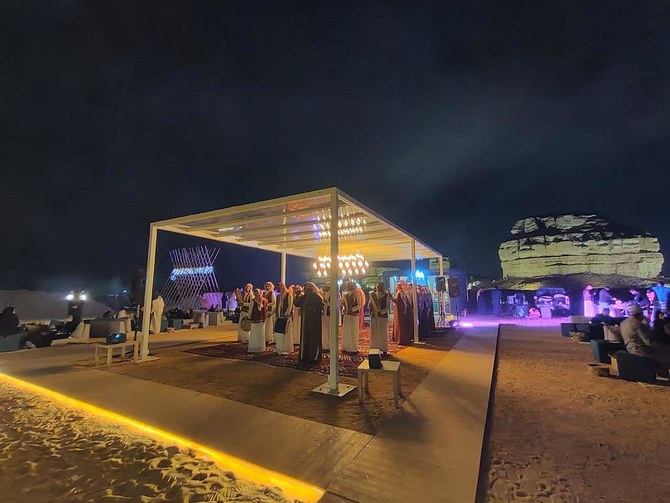
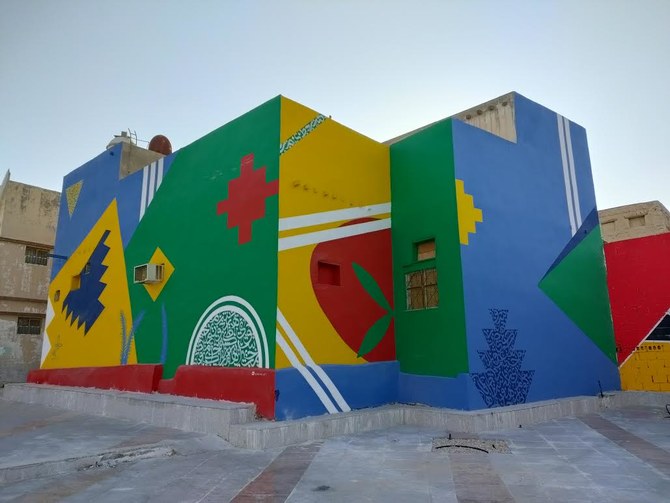
The Tourism Authority has helped pave walkways, allocate local tour guides and create pop-up venues across the city to create an exceptional experience for tourists. (Supplied)
2 / 10
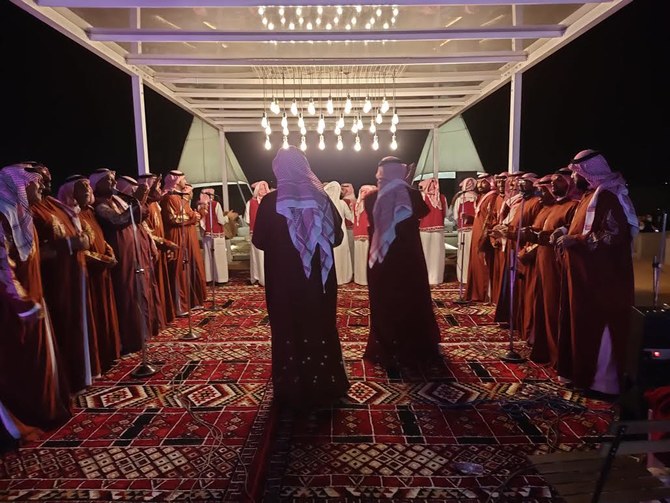
Al-Ahsa is one of 17 regions taking part in the “Arabian Winter” campaign launched by the Saudi Tourism Authority to expand tourism and adventure opportunities in the Kingdom. (Supplied)
3 / 10
Al-Ahsa is one of 17 regions taking part in the “Arabian Winter” campaign launched by the Saudi Tourism Authority to expand tourism and adventure opportunities in the Kingdom. (Supplied)
4 / 10
Al-Ahsa is one of 17 regions taking part in the “Arabian Winter” campaign launched by the Saudi Tourism Authority to expand tourism and adventure opportunities in the Kingdom. (Supplied)
5 / 10
Al-Ahsa is one of 17 regions taking part in the “Arabian Winter” campaign launched by the Saudi Tourism Authority to expand tourism and adventure opportunities in the Kingdom. (Supplied)
6 / 10
Al-Ahsa is one of 17 regions taking part in the “Arabian Winter” campaign launched by the Saudi Tourism Authority to expand tourism and adventure opportunities in the Kingdom. (Supplied)
7 / 10
Al-Ahsa is one of 17 regions taking part in the “Arabian Winter” campaign launched by the Saudi Tourism Authority to expand tourism and adventure opportunities in the Kingdom. (Supplied)
8 / 10
Al-Ahsa is one of 17 regions taking part in the “Arabian Winter” campaign launched by the Saudi Tourism Authority to expand tourism and adventure opportunities in the Kingdom. (Supplied)
9 / 10
Al-Ahsa is one of 17 regions taking part in the “Arabian Winter” campaign launched by the Saudi Tourism Authority to expand tourism and adventure opportunities in the Kingdom. (Supplied)
10 / 10
Al-Ahsa is one of 17 regions taking part in the “Arabian Winter” campaign launched by the Saudi Tourism Authority to expand tourism and adventure opportunities in the Kingdom. (Supplied)
Short Url
Updated 23 January 2021
Follow

Al-Ahsa spirit welcoming tourists with open arms

  • Located in the Eastern Province, the city is eager to welcome visitors and show them the historic and cultural landmarks it has to offer
  • The city is eager to show visitors the historic and cultural landmarks it has to offer

AL-AHSA: Al-Ahsa is one of 17 regions taking part in the “Arabian Winter” campaign launched by the Saudi Tourism Authority to expand tourism and adventure opportunities in the Kingdom.

Containing more than 200 tourism private sector operators and over 300 social experiences, the city is home to many cultural landmarks promoted by its humble and welcoming people.


“If I were to rank Al-Ahsa, it would be first in everything,” local Mona Al-Hussein told Arab News. “The people here are friendly and so welcoming and are full of life and love. They appreciate every part of the land, and help make Al-Ahsa flourish and prosper for its people. If they have any guests they befriend them and welcome them.”

Located in the Eastern Province, the city is eager to welcome visitors and show them the historic and cultural landmarks it has to offer, Al-Hussein said.
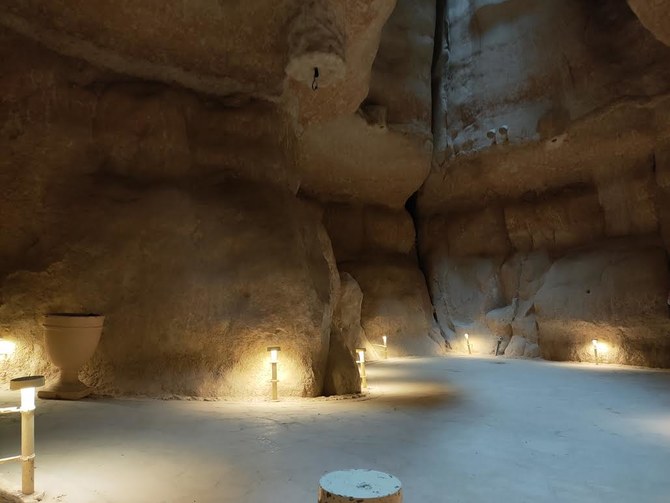
The Tourism Authority has helped pave walkways, allocate local tour guides and create pop-up venues across the city to create an exceptional experience for tourists.

What sets Al-Ahsa apart from other tourist destinations is the overall knowledge gained from each landmark, and the history behind them being explained by passionate, experienced locals.

HIGHLIGHT

Containing more than 200 private sector tourism operators and over 300 social experiences, the city is home to many cultural landmarks promoted by its humble and welcoming people.

“Al-Ahsa’s civilization dates back to 5,000 B.C. It is not just the palm trees or the fruit, it is the people — the people are what make up Al-Ahsa,” said Hani Al-Najem, a tour guide. “When you come to Al-Ahsa you find civilization, culture, an oasis, mountains, people and history.”

Nestled between the Gara Mountains is the the Al-Dougha Pottery Factory, owned by the Gabash family. The factory has been passed down through generations for more than 150 years.
“It’s a family affair, from grandfather to grandfather to grandfather, from generation to generation,” a member of the Gabash family told Arab News. “It has been continuously passed down for easily over 150 years.”

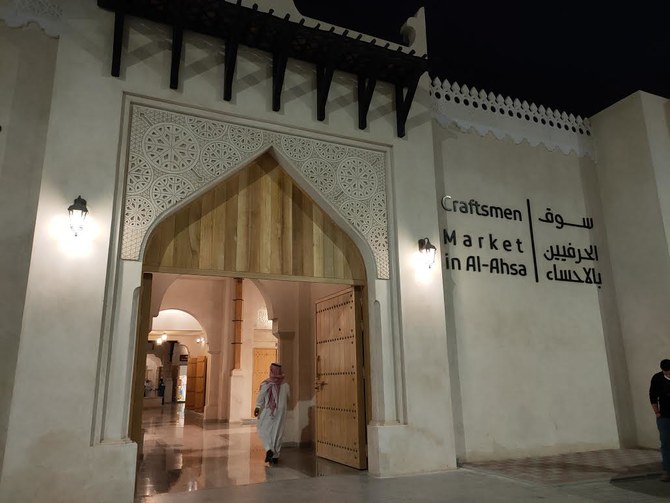
Another landmark in the city is the Craftsmen Market, a newly built trading area that hosts the shops of some of the most well-known craftsmen in the Kingdom.

The market contains skilled artisans that still use the traditional techniques of weaving and woodworking by hand.

The people here are friendly and so welcoming and are full of life and love.

Mona Al-Hussein

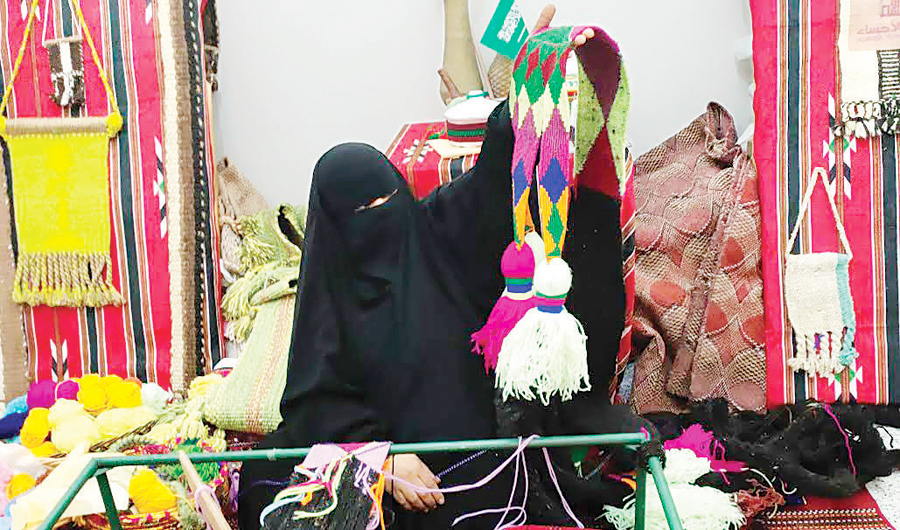
One such artisan is Fatma Mahmoud, who is known locally as Bint Al-Torath. She has used the traditional technique of thread weaving to create clothing, frames and tissue boxes since childhood.

“I learned as a child from my father and have continued the craft for years. It’s important to maintain the origin of our culture. I am proud of who we are. This is how are our ancestors did it, and this is the way I do it to show people the history of our culture,” she told Arab News. “I am proud that I can teach my skills to visitors.”
Meanwhile, the Yellow Lake experience, another tourist attraction in the region, embodies the spirit of Al-Ahsa. The lake itself has a surface area of about 326,000,000 square meters and is 3 meters deep. It contains a number of migratory bird species, including egrets, flamingos, eagles and peregrines.

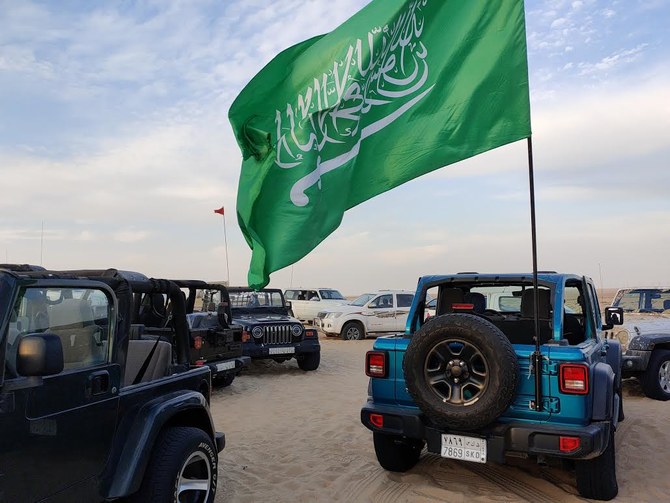
An off-road Jeep ride through the sand dunes transports tourists in a colorful trip through the Yellow Lake, where they can see people parachuting in the sky, equestrian activities, Saudi flags waving in the wind, and tea and coffee gatherings.

Such collaborative efforts are not created by one organization alone, but by locals, in the hope of creating lasting memories and experiences for visitors.
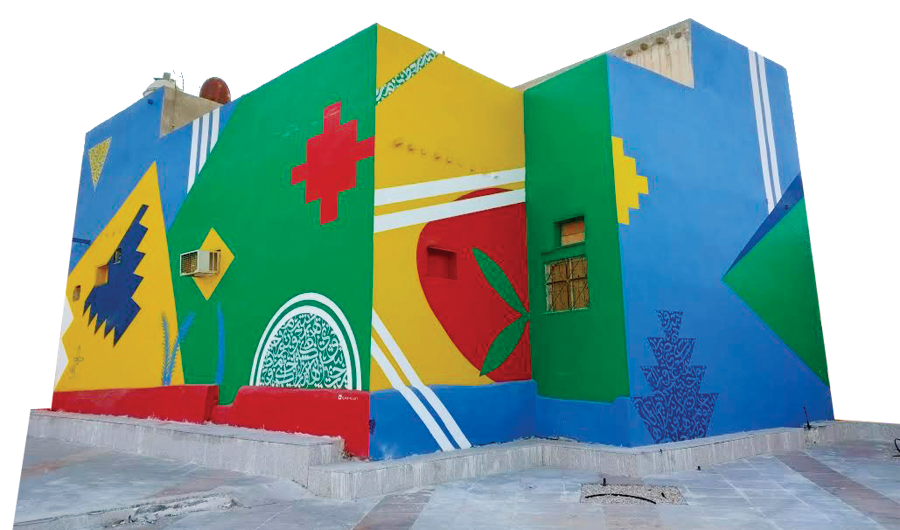
“The youth of Al-Ahsa have become involved in tourism. They have created innovative ideas to better serve the tourism industry, like the gentleman with the 4x4 cars,” Mona Al-Turief, a member of Saudi Tour Guides, told Arab News. “They each used their own cars to create teams and services for tourists.”

Another group of young locals assembled their fleet of Jeeps to guide tourists through the dunes of the desert and into the Yellow Lake. Lights, walkways and maps have been placed in every major landmark to assist tourists. Pop-up tents and venues have also been placed in the heart of archaeological centers to enliven the visitor experience.

Farm owner Abu Mohammed is a self-taught farmer who has harvested crops his entire life. He welcomes guests into his home with open arms and introduces visitors to his daily routine.

“I have been farming since I was a child. I never attended a college or university, I was taught by God,” he told Arab News.

He reaps crops with his sickle and offers tourists a chance to try their hand at farming. He said: “No one comes here and leaves empty-handed. This is our way.”


Amr Moussa: Saudi Arabia and Egypt must lead Arabs for true peace

Updated 5 sec ago
Follow

Amr Moussa: Saudi Arabia and Egypt must lead Arabs for true peace

RIYADH: Amr Moussa, former Arab League secretary-general, has called for the establishment of an effective Arab leadership led by Saudi Arabia and Egypt, in partnership with Jordan, to unify regional positions and negotiate on the Palestinian cause and broader regional future.

During a panel discussion at the King Fahd National Library in Riyadh on Thursday evening, Moussa stressed this was “both vital and achievable” and emphasized the primary goal should be the establishment of a fully sovereign and effective Palestinian state: “True peace is only that which protects all parties … we need genuine peace, not a facade or a superficial justification,” he said.

Such a state must be “responsible for security and peace in the Middle East alongside its neighbors,” rather than a fragile entity, he added.

Moussa underlined that achieving this objective first requires the Arab world to demonstrate the capacity for unified and decisive action. “Are we as Arabs truly capable of being ‘we,’ or has that moment passed?” he asked.

He said the firm positions taken by Saudi Arabia and Egypt in rejecting forced displacement and calling for an end to aggression “underscore that it is possible to assert ‘no’ when the Arab stance is justified.”

Warning of the severe consequences of maintaining the status quo, he added: “If things continue this way … there will inevitably be something akin to October 7 again, because injustice breeds resistance.”

He placed full responsibility on Israel, saying it “bears complete responsibility for the chaos and destruction.”

On a practical mechanism to implement a unified Arab stance, Moussa proposed that Saudi Arabia and Egypt take the lead in establishing a diplomatic baseline, representing their “yeses and noes” in consultation with other Arab states. This framework, he said, would counter any attempts to impose unjust solutions under labels such as the new international “Peace Council,” which might “demand Palestinian concessions on Palestinian land.”

On whether peace was possible with the current Israeli government, which he described as “not committed to peace,” Moussa said: “There are other Israelis who speak the language of peace.” He urged efforts to “identify and support them to create a political alternative within Israel.”

He said the first thing Palestinians should do is hold comprehensive Palestinian elections as soon as possible, utilizing technology to ensure all Palestinians took part, including those in Jerusalem, to select a new leadership “with strong negotiating legitimacy.”

Moussa also warned that the challenges “are not limited to Palestine,” saying the Arab world faces interconnected crises in Syria, Yemen, Sudan, Lebanon and Libya, alongside shifts in the international order and the race for space.

“The issue of our future (requires) reviving a new Arab world,” capable of actively shaping that future rather than being marginalized, the former secretary-general concluded.