

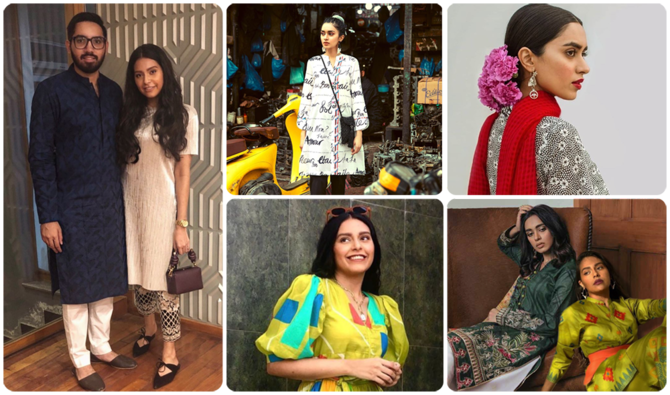

RAWALPINDI: Model Atikah Gardezi, stylist Maryam Raja and producer Emad Khalid Mughal have a lot in common: they’re young, they’re Lahore based, they’re causing a stir in their respective fields, and they all grew up in Saudi Arabia.
Makkah-born Raja lived in Jeddah until age 25 and left for Pakistan three years ago to work for brands such as Zara Shahjahan, Beechtree and Khaadi.
"When I think about growing up in Saudi Arabia, ironically, I think a lot about water, visiting the beautiful Red Sea ... Most people would think desert," she told Arab News laughing.
But the stereotypes which for her need to be fixed are not only related to landscape.
"There’s this idea here that KSA is incredibly conservative and restrictive which, yes in some ways it is more so than here, but the way Pakistanis picture it is a bit off,” she said. “I know it’s not the same for everyone and I speak with some privilege, but over there I felt like I could move more freely, and it helped build up my independence.”
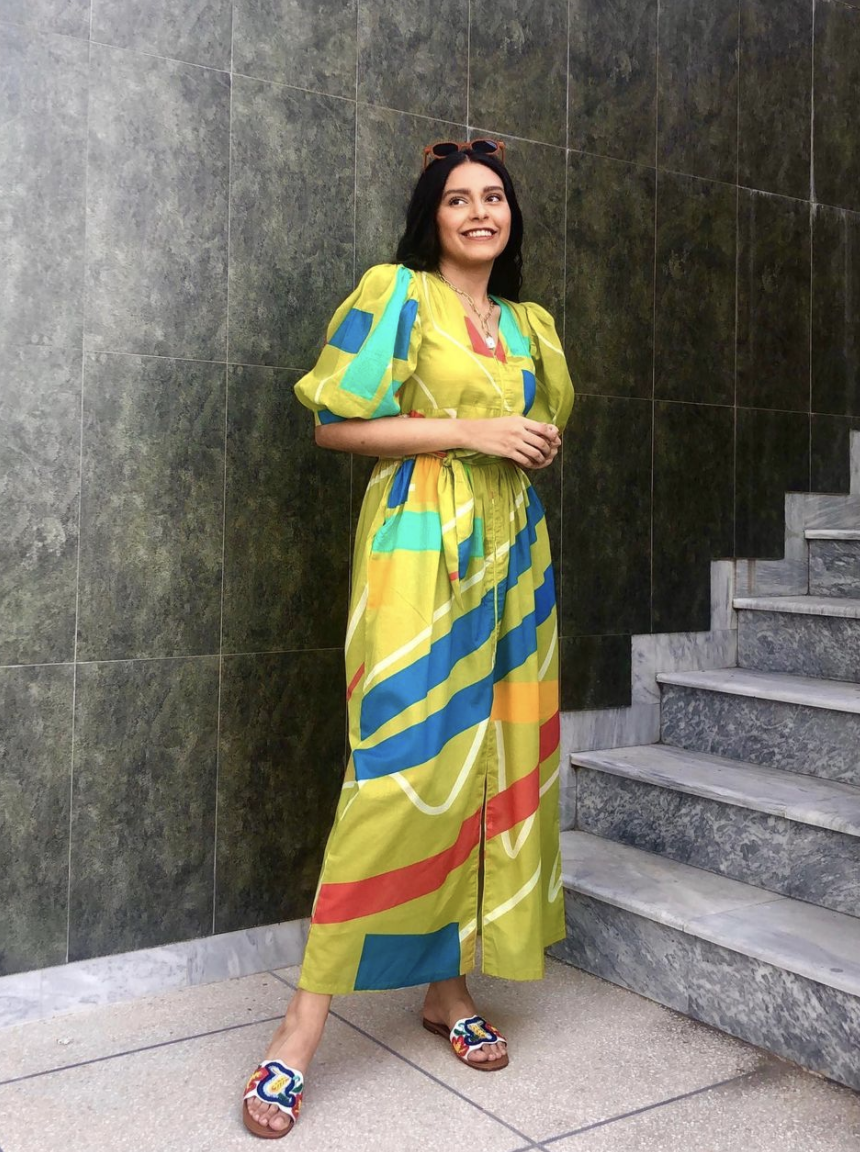
Stylist Maryam Raja at her home in Lahore, Pakistan on Aug. 5, 2020. (Photo courtesy: Maryam Raja)
Her current career, however, might have been impossible in Saudi Arabia.
"Being an expat, even though my parents migrated when they were three and four years old respectively, it continues to be hard getting a job because of the way the visas work," she said.
"It's harder to hire someone who is not a Saudi national. Now I have a career path, very strongly defined in Pakistan."
Correcting misconceptions about the childhood home is also what Mughal, who moved to Pakistan some 10 years ago, keeps on doing.
"There’s a big misconception that Saudi is just nomads roaming around looking for water or something when in reality it’s been at the forefront of a lot of development and urbanization. There are some crazy mega infrastructure projects going on," he said.
"If people saw beyond the label of it being a traditional country and look at the cities it would probably change their perspectives."
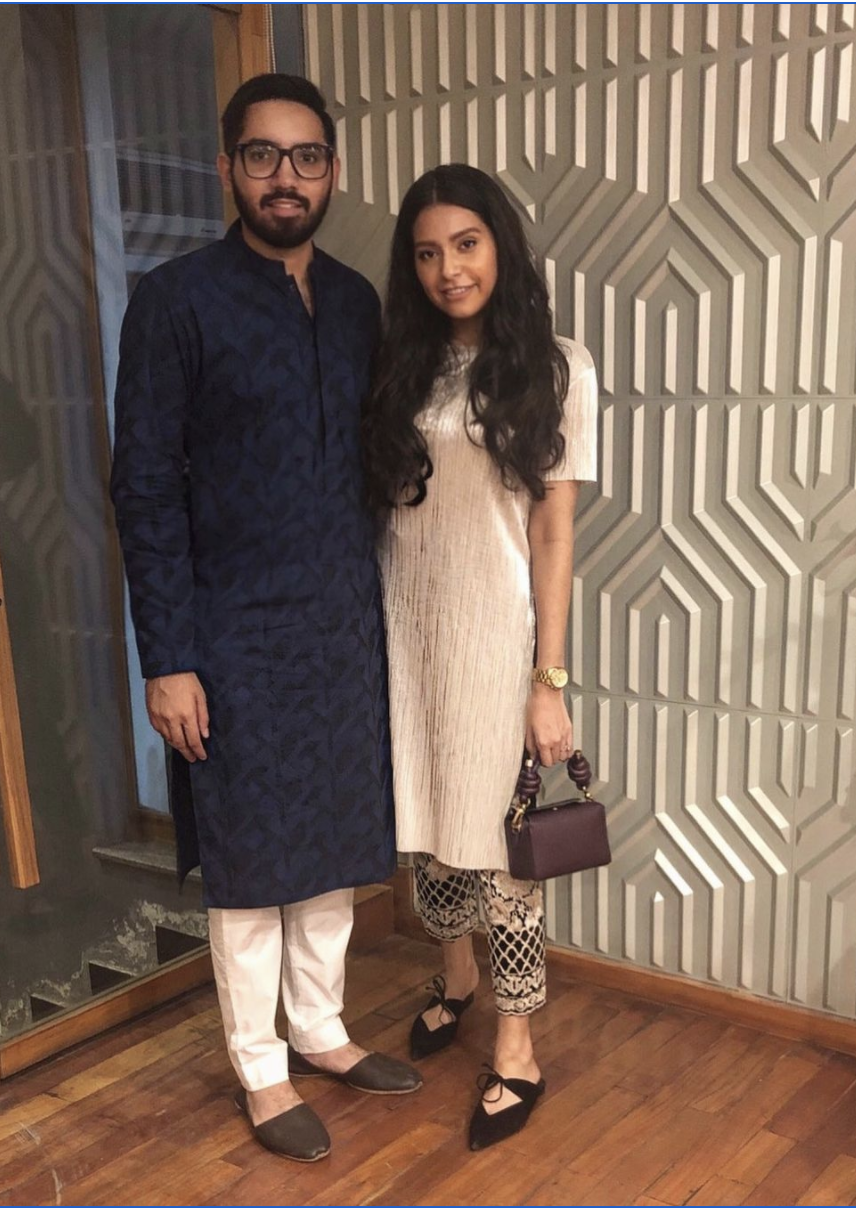
Emad Khalid Mughal, left, and Maryam Raja in Lahore on June 6, 2019. (Photo courtesy: Maryam Raja)
Although born in Kuwait, he spent most of his life in Jeddah and moved to Pakistan to pursue his bachelor's degree. He recalled the "surreal" feeling of always being surrounded by holy sites in his Saudi childhood.
"All the holy sites are around the corner it’s a surreal way to grow up," he told Arab News. "It’s such a privilege because some people, right here in Pakistan, work their whole lives to get there and we had them, sometimes walking distance from us."
A decade into his life in Lahore and with a number successful projects in his resume, like editing films such as "Yaalghaar," "Ashen Streets," the 30-year-old says he is still missing his Saudi life.
“It’s the food I miss the most, but also the lifestyle," he said.
Unlike Mughal and Raja, Gardezi, who became a professional model in Pakistan, knew that Pakistan would someday become her home.
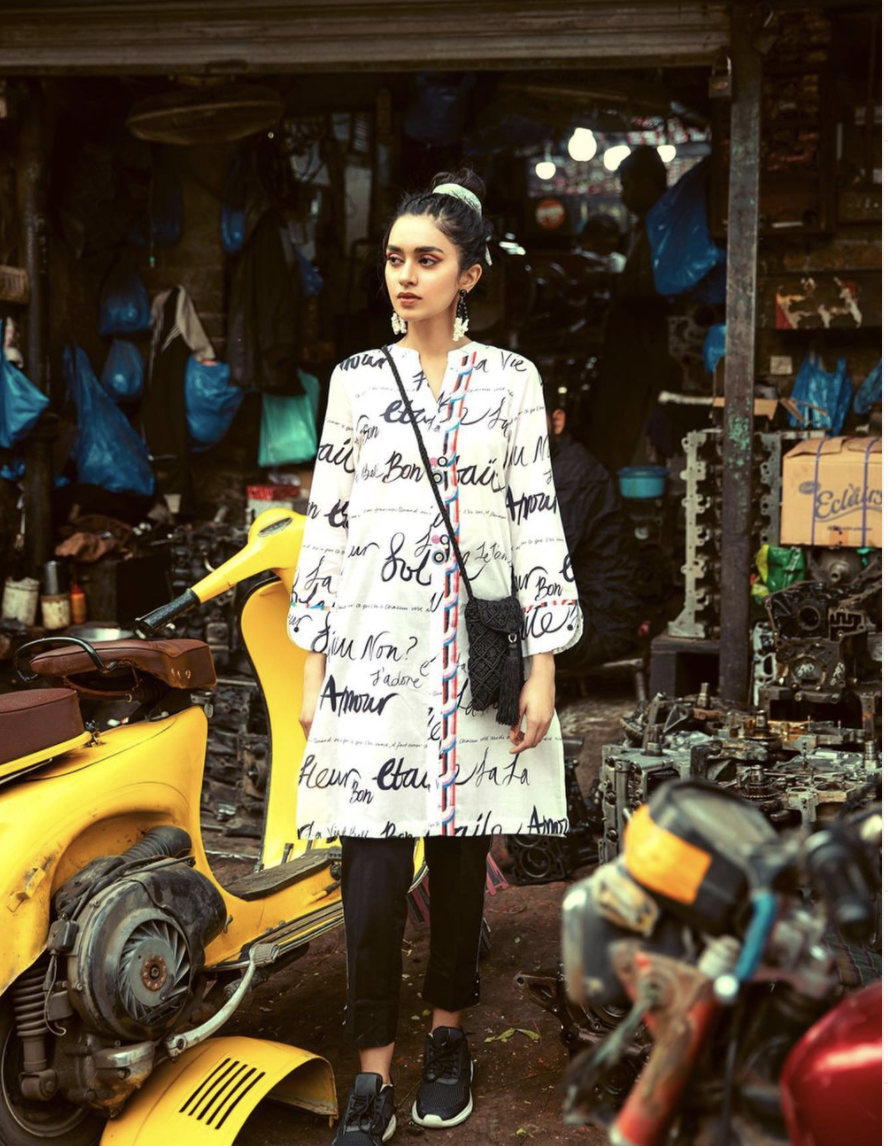
Model Atikah Gardezi in Lahore, Pakistan, April 1, 2020. (Photo courtesy: Atikah Gardezi)
“I always felt like an outsider in Saudi even being born and raised there," said the 28-year-old born in Makkah.
That strangeness and being an outsider is something she continues to feel in Pakistan, though on different levels.
"That is something I feel in Pakistan now," she said, adding that with her childhood memories being associated with Saudi Arabia she often feels little out of place, even though she has already found her footing and made a new home.
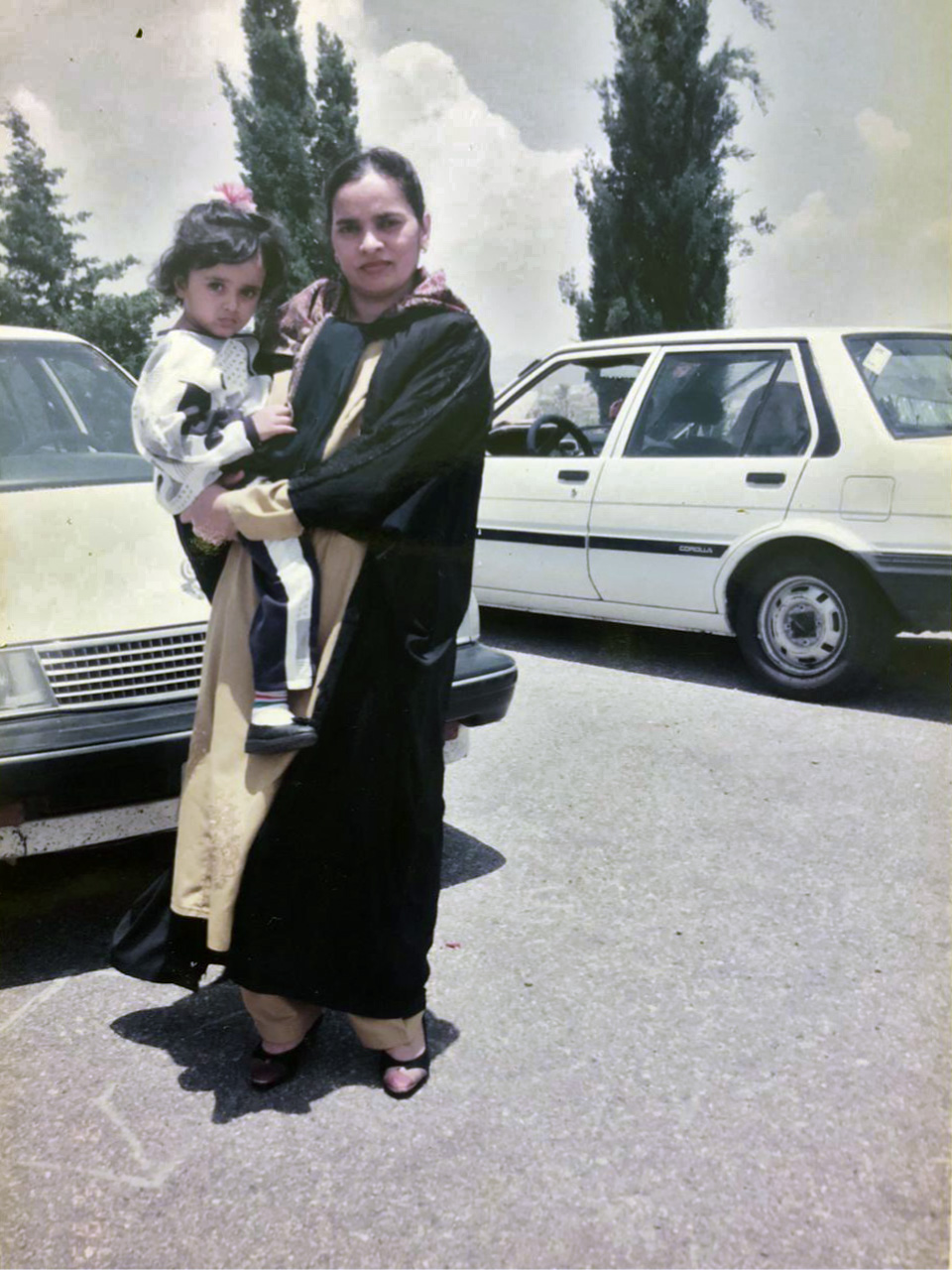
Atikah Gardezi and her mother on a road trip to Abha, Saudi Arabia in November 1995. (Photo courtesy: Atikah Gardezi)
But she says she remembers her Saudi childhood as diverse and inclusive: "My favorite thing about growing up in Saudi was the diaspora community we built in the building I grew up in."
This sense of community is what she is struggling to find in Pakistan.
"What was different when I first moved here is the lack of community. Moving here I realized things like your position in society mattered a great deal to the culture here, what you wore and who you were friends with. For me personally, that was not the case in Makkah."


