WASHINGTON: A CIA officer was killed in combat in Somalia in recent days, US media said Thursday without releasing details of how the agent died.
The veteran officer was a member of the CIA’s Special Activities Center, a paramilitary branch that carries out some of the US intelligence agency’s most dangerous tasks, The New York Times said.
The officer died of injuries sustained during an operation last week, according to CNN.
The CIA has not commented publicly on the death.
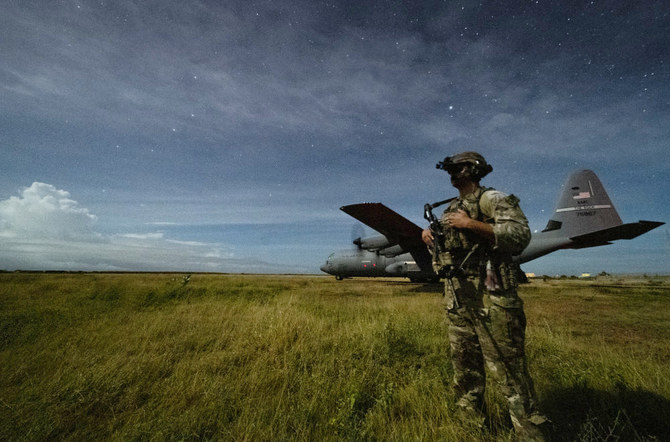
Washington has some 700 troops deployed in Somalia carrying out training of Somali forces and conducting counter-terrorism raids against the Al-Shabab militant group, which Washington designated a terrorist movement in 2008.
Earlier this month, Washington put on its terror blacklist the leader of an elite unit of the Al-Qaeda-affiliated group blamed for a January attack in Kenya that killed three Americans.
Al-Shabab is estimated to have between 5,000 and 9,000 fighters who have vowed to overthrow the Somali government, which is supported by some 20,000 troops from the African Union.
The slain US operative was a veteran of special forces operations, having previously been a member of the elite SEAL Team 6, the Times reported.
The outgoing administration of President Donald Trump is considering withdrawing all US forces from Somalia by the time he leaves office in January, the paper added.
At the start of his term, Trump gave the Pentagon a freer hand to expand their operations, with both air strikes and ground raids, in the war-ravaged African country.
But an official report released in February said that “despite continued US air strikes in Somalia and US assistance to African partner forces, Al-Shabab appears to be a growing threat that aspires to strike the US homeland.”


![]()

CIA officer killed in Somalia: US media
Short Url
https://arab.news/zveff
CIA officer killed in Somalia: US media
- The US has some 700 troops training Somali forces and carrying out raids against Al-Shabab militants
- Al-Shabab, an Al-Qaeda affiliate, is estimated to have between 5,000 and 9,000 fighters


Latest updates


© 2026 SAUDI RESEARCH & PUBLISHING COMPANY, All Rights Reserved And subject to Terms of Use Agreement.