

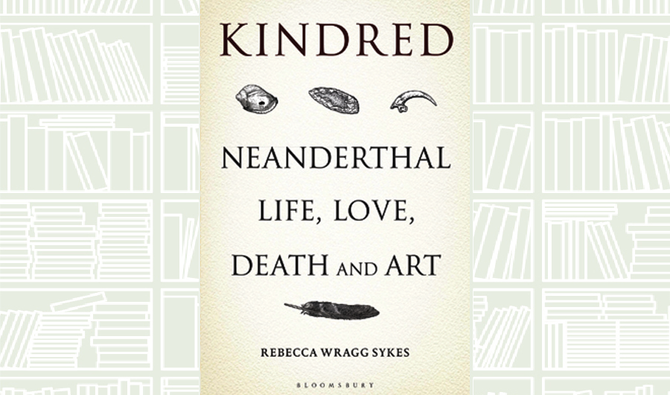

The book sheds new light on where Neanderthals lived, what they ate, and the increasingly complex Neanderthal culture that researchers have discovered.
“Kindred is an ambitious book that takes in the full sweep of 150 years of scientific discovery and covers virtually every facet of their biology and culture,” said a review in goodreads.com
Author Rebecca Wragg Sykes explains that Neanderthals “were sophisticated and competent human beings who adapted to diverse habitats and climates,” Yuval Noah Harari said in a review for The New York Times. “They ranged from the shores of the Atlantic to the steppes of Central Asia. They thrived in hot climates as well as in ice age tundra,” said Harari.
The author “has done a remarkable job synthesizing thousands of academic studies into a single accessible narrative. From her pages emerge new Neanderthals that are very different from the cartoon figures of old. Kindred is important reading not just for anyone interested in these ancient cousins of ours, but also for anyone interested in humanity,” said the review.
Harari is the author of Sapiens and Homo Deus.


