

Saudi tourist visas to be available by 2021

1 / 2
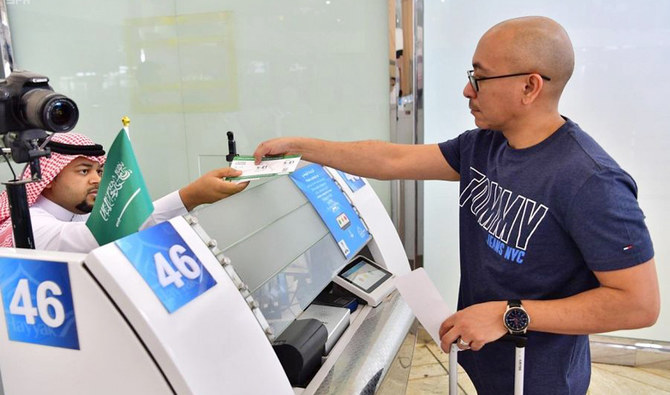
Domestic travel grew by 31 percent this year compared with the previous 12 months. (Supplied)
2 / 2
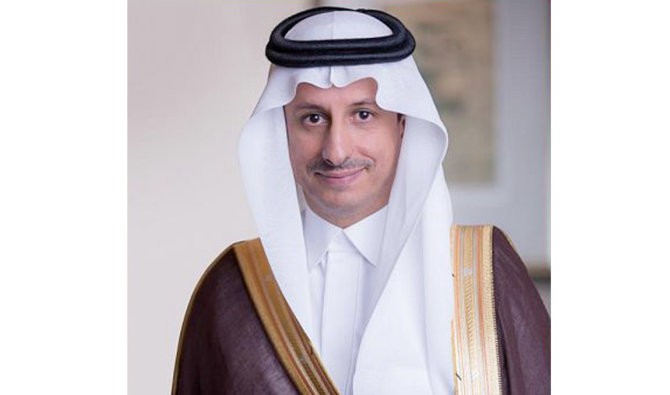
Saudi Tourism Minister Ahmed Al-Khateeb. (SPA)
Short Url
Updated 28 September 2020
Follow

Saudi tourist visas to be available by 2021

  • A specific date is yet to be announced on the official opening of the country’s borders in December

JEDDAH: Saudi Arabia will resume issuing tourist visas as early as January 2021 following months of lockdown, according to Tourism Minister Ahmed Al-Khateeb.
The minister told Bloomberg visas could be issued sooner depending on “positive developments” regarding a vaccine.
“It’s possible the process could be accelerated and visas made available at an earlier date,” he said.
While Saudi Arabia prepares to reopen its borders to foreign tourists, it also plans to use its G20 presidency role this year to facilitate the resumption of global travel.
The Kingdom halted international travel and closed its borders on March 15 after the coronavirus outbreak. It resumed domestic travel on May 31 and partially opened its borders on Sept. 15, allowing foreign workers holding resident permits to return to the Kingdom and others to leave.

FASTFACT

Domestic travel grew by 31 percent this year compared with the previous 12 months, with popular destinations such as the southern mountains of Abha and the island-dotted Umluj drawing increasing numbers of visitors. 

While the number of international tourists fell during the lockdown, the minister said that domestic tourism flourished, helping to offset the decline.
The Kingdom is still on track to expand the sector by 10 percent, he said, with 10 locations selected across the country to promote domestic tourism.
Domestic travel grew by 31 percent this year compared with the previous 12 months, with popular destinations such as the southern mountains of Abha and the island-dotted Umluj drawing increasing numbers of visitors.
Al-Khateeb said that although the numbers are positive, the tourism sector has been hit hard by the lockdown and expected to see a 35-45 percent decline by the end of the year.
The Kingdom will end all restrictions on air, land and sea transport after Jan. 1, 2021, the Interior Ministry said.
A specific date is yet to be announced on the official opening of the country’s borders in December.

Over 4.8m captagon pills found hidden in Jeddah charcoal shipment

Updated 09 January 2026
Follow

Over 4.8m captagon pills found hidden in Jeddah charcoal shipment

  • Captagon is an addictive, amphetamine-type stimulant that is mass-produced in illicit factories

RIYADH: Saudi Arabia’s Zakat, Tax and Customs Authority foiled an attempt to smuggle more than 4.8 million captagon pills through Jeddah’s port, hidden inside a shipment of charcoal.

The authority’s spokesperson Hamoud Al-Harbi said that a shipment arrived at the port, which, after being assessed by customs authorities, was found to contain a large amount of the illicit drug, hidden inside charcoal bags, the Saudi Press Agency reported.

After the pills were seized, the authority coordinated with the General Directorate of Narcotics Control to ensure that the intended recipients were arrested.

Al-Harbi added that ZATCA is working to tighten customs control on Saudi imports and exports and stands ready to combat smuggling.

He called on members of the public to contribute to the fight against smuggling.

ZATCA may be contacted for security reports by phone from inside the Kingdom at 1910, outside the Kingdom at +9661910, or by email at [email protected].

The authority receives reports related to smuggling crimes and violations of the customs system in complete confidentiality and offers financial rewards to any reports that are accurate.

Captagon is an addictive, amphetamine-type stimulant that is mass-produced in illicit factories.

It is simple to produce compared to other narcotics, and drug smugglers have found a market for the substance in the Gulf states.

Syria under Bashar Assad was one of the largest producers of captagon in the region.

When his government was overthrown in December 2024, one of the first steps taken by the new President Ahmed Al-Sharaa was to crack down on the production of captagon in Syria.