Gone are the days when doing online business was considered a novelty. Today, one is bombarded with adverts scrambling for attention.
In this competition, the idea behind a business and the way it is executed matters most. The more novel the idea, the more chances of success.
The Rabbit Hole, an online thrift store, is one such concept, inspired by the famous Lewis Carroll book “Alice in Wonderland.” As the name suggests, the store has almost everything on offer, and at cheap rates.
Layan Kassas, a 17-year-old Syrian at Dar Jana International School, came up with the idea to make it easier for people to buy affordable goods.
“I was scrolling through a famous Instagram-based thrift store, just thinking of how inspiring it is that people outside of Saudi Arabia have created a community of stylish thrifters. Then I thought to myself: ‘I wish we had thrift stores in Saudi Arabia.’
“In this digital age, the projects you are capable of working on are limitless, so I decided to create @jeddahthrift, the Rabbit Hole,” Kassas told Arab News.
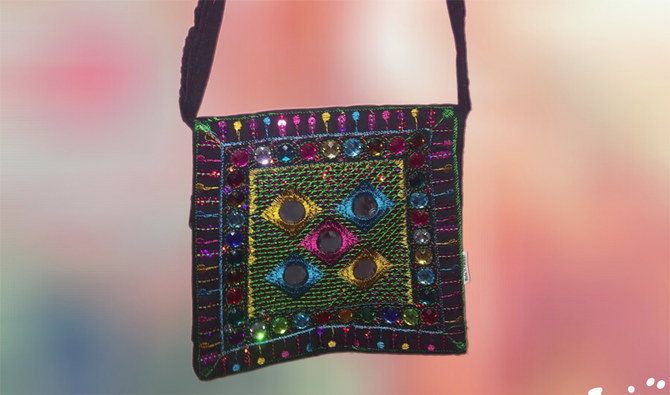
Items at the Rabbit Hole include books, shirts, dresses, bags, and more. Items to be added soon include sunglasses, stickers, pins, and even shoes. It is also currently planning on opening an unused items section. “At the Rabbit Hole, you can shop 100 percent ethically and stylishly,” Kassas said.
“The name of the thrift store actually came to me easier than I expected. ‘Alice in Wonderland’ has always been my favorite tale, and I kind of linked it with thrifting. When Alice fell down the rabbit hole (into Wonderland) all the items surrounding her were unique and peculiar. That’s what I wanted to create — a platform for unique items from unique people.”
Kassas wishes to inspire the creation of more thrift stores in Jeddah and the Kingdom.
“I’ve always been very inspired by how thrift stores sort of had their own community of stylish people,” she said. “I decided to rely on what my mom always tells me: ‘No matter what emotions you go through, you’re never alone.’
“I was sure that out of the 3 million people living in Jeddah, I wasn’t the only one wishing we had that same community in Saudi Arabia. When the idea came to me, I almost felt like I was responsible for giving myself as well as all the other people — who share similar feelings — an opportunity for it to come true.”
Recycling items by selling or donating them to thrift stores has a positive effect on the environment and disempowers unethical production and the use of sweatshops, she added.
“Aside from the opportunity for us to express our style using unique, vintage, or street trends, the benefits of thrifting go way beyond just fashion. Unfortunately, some of the most renowned fashion brands use sweatshops.
“In addition, the fashion industry has been contributing to global carbon emissions for years now, and even wasting water. For example, making one pair of blue jeans uses up to 1,800 gallons of water. That’s the equivalent of the total water an individual drinks in six years. Today, with multiple emerging local businesses, stores, and thrift shops — all of which offer great product quality — we have the freedom to favor and support local businesses and thrift stores,” Kassas said.
“Shop at thrift stores. Support small businesses. Stand for the unprivileged. Save the environment. All while being stylish.”


![]()

Startup of the Week: Venturing down the rabbit hole to a thrift shopping wonderland
Short Url
https://arab.news/cmddk
Startup of the Week: Venturing down the rabbit hole to a thrift shopping wonderland
- Recycling items by selling or donating them to thrift stores has a positive effect on the environment and disempowers unethical production and the use of sweatshops


Latest updates


© 2026 SAUDI RESEARCH & PUBLISHING COMPANY, All Rights Reserved And subject to Terms of Use Agreement.