



DUBAI: In spite of the backlash Netflix received for its use of an inappropriate poster to promote French-language film “Cuties” (“Les Mignonnes”), the streaming giant has gone ahead with the Sept. 9 debut of Maïmouna Doucouré’s controversial, award-winning movie on its platform.
“Cuties” premiered at the Sundance Film Festival in January to glowing reviews, taking home the World Cinematic Director Award.
Then, Netflix US’s marketing team kicked off a firestorm online due to its promotion of the film. Social media users accused the streaming giant of using hyper-sexualization to promote the film on its platform, prompting Netflix to issue an apology. However, the problem with “Cuties” goes beyond just poor marketing.
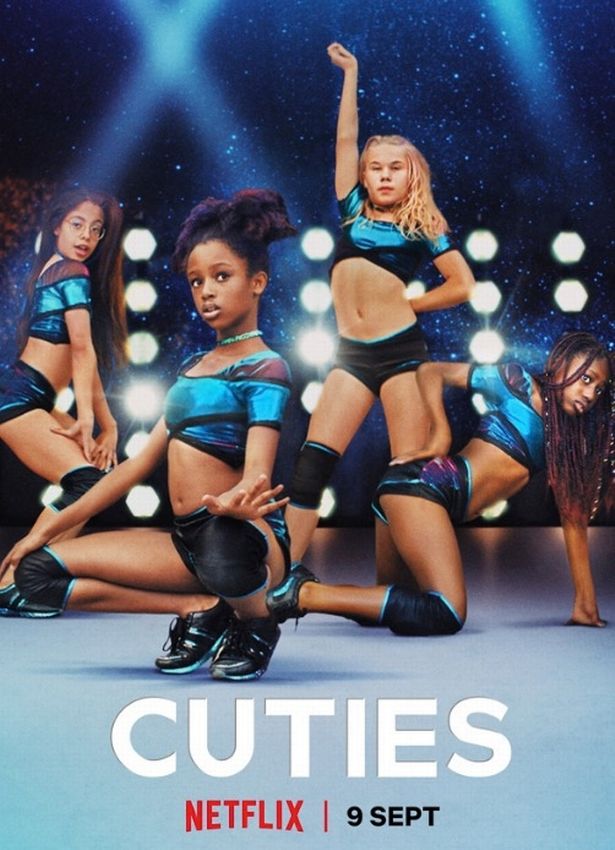
Social media users accused the streaming giant of using hyper-sexualization to promote the film on its platform. Supplied
The coming-of-age film tells the story of an 11-year-old Muslim immigrant girl named Amy (Fathia Youssouf), who shortly after accidentally learning that her father is taking another wife, joins a twerking dance group with three other young girls in an attempt to escape her family dysfunction and defy traditions.
At the time, the Senagalese-French filmmaker explained, the project was inspired after she witnessed a group of young girls performing what she described as “sensual” dances for an audience of their parents.
“The main message of the film is that these young girls should have the time to be children, to enjoy their childhood, and have the time to choose who they want to be when they are adults. You have a choice; you can navigate between these cultures and choose from the elements of both, to develop into your own self, despite what social media dictates in our society,” Doucouré told Deadline.
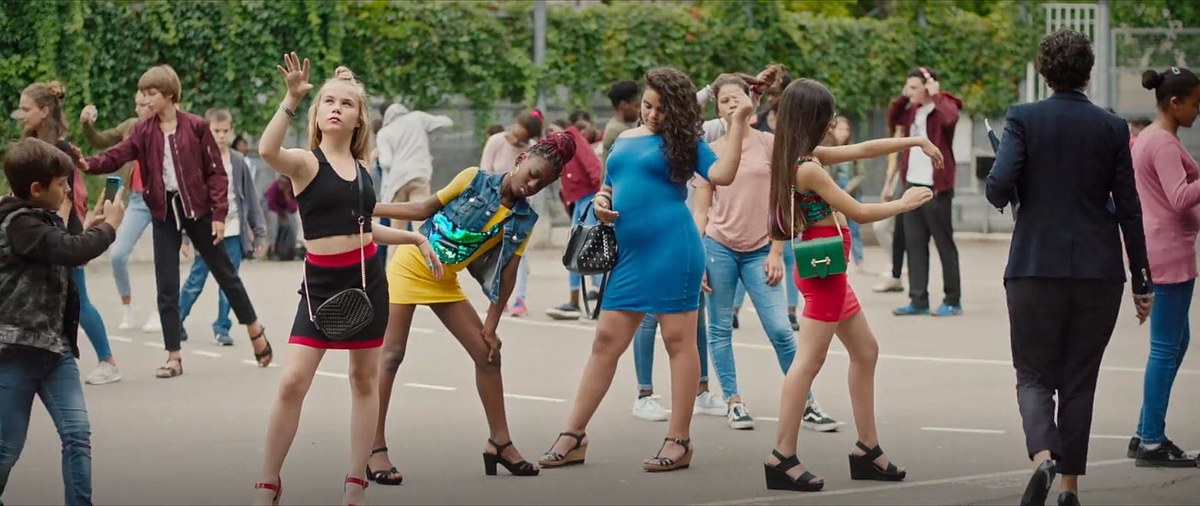
The coming-of-age film tells the story of an 11-year-old Muslim immigrant girl named Amy (Fathia Youssouf) who joins a twerking dance group. Supplied
Indeed, the message Doucouré attempts to convey is vital. Unfortunately, it is overwhelmed by the film’s poor execution.
Produced by Sylvain de Zangroniz, the movie uses disturbing methods to relay its point.
The actors, who are barely teenagers — the central four range from 12 to 14-years-old — twerk, run their hands across their bodies, lick their fingers and touch each other inappropriately while wearing revealing clothing.
In one scene, Amy gets attacked by girls at school who pull her pants down and expose her underwear. Another sees the dance troupe busted for sneaking into laser tag. To persuade the security guards to let them go, Amy twerks for one of them — a middle-aged man.
The camera work during the dance scenes doesn’t focus on the children’s faces at all. Instead, viewers see repeated close ups of little girls’ rears and crotches amid leg-spreading and bending, rampant in the choreography — made even more concerning when one realizes the cinematographer behind the film was a man (Yann Maritaud).
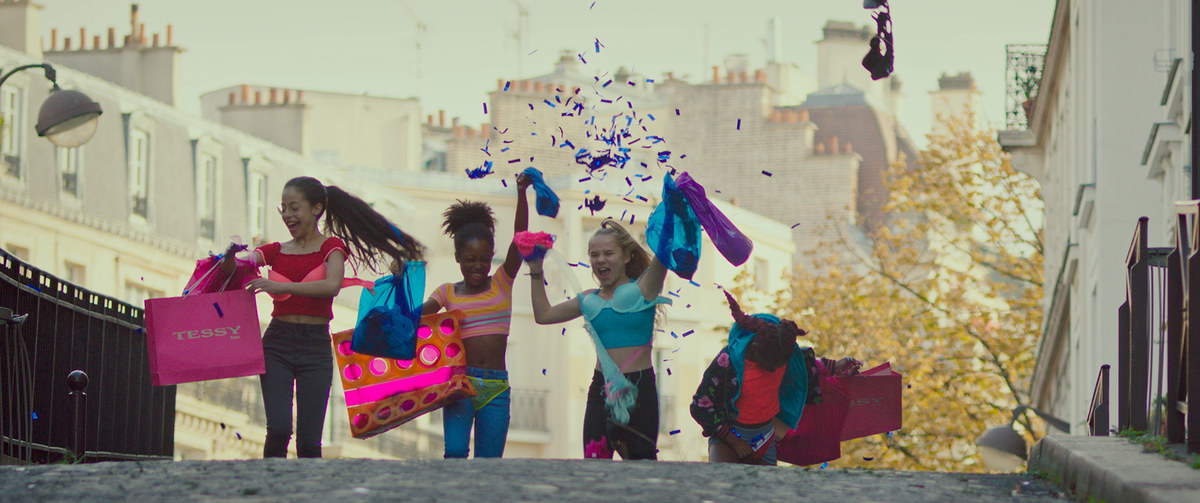
Produced by Sylvain de Zangroniz, the movie uses disturbing methods to relay its point. Supplied
According to Reem Shaheen, LMHC counseling psychologist and founder and director of BE Psychology Center for Emotional Wellbeing in Dubai, the overt sexualization of children in consumer culture is damaging in many ways.
“The hyper-sexualization of children both in mainstream and social media is causing an increase in the early development of depression, anxiety, low self-esteem, high risk behaviors, self-harm, substance use and abuse as well as eating disorders in children,” Shaheen explained.
“For example, the average onset age of eating disorder 20 years ago was 13-16, today the onset age is 7-9 years old. The same applies to the majority of mental illness,” she adds.
Now imagine how long it takes to film such explicit material. There are stage managers, choreographers, producers as well as the parents of the children involved, all who are seemingly okay with having young girls sexualize themselves day by day, hour upon hour, for the sake of social critique.
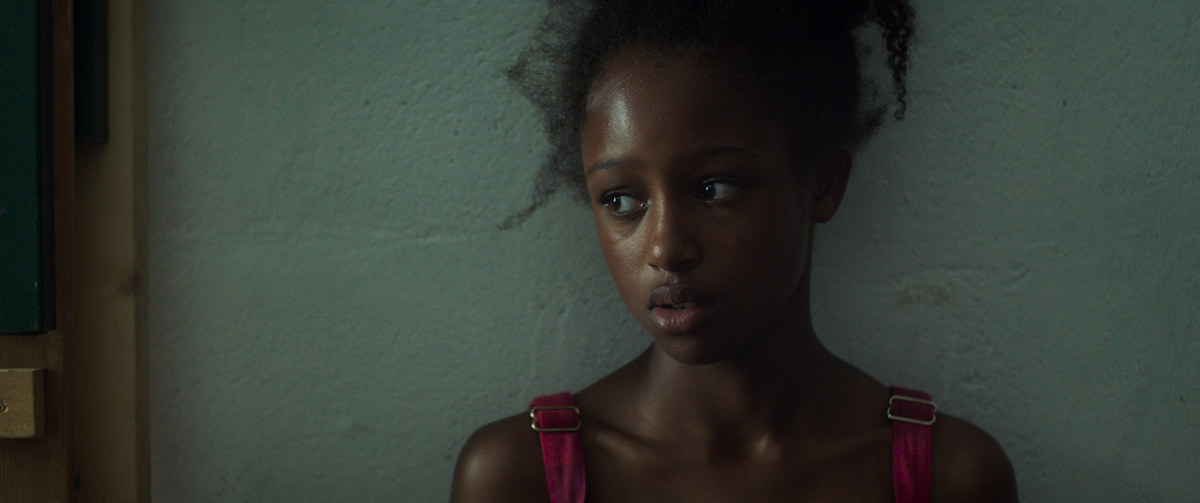
The overt sexualization of children in consumer culture is damaging in many ways. Supplied
Did none of the adults involved see an issue? Or did they simply believe so much in the film’s message that they were willing to sacrifice young girls for the sake of art?
The film’s director assured Indiewire that a child therapist was involved, saying: “We worked with a child psychologist throughout the filming. She’s still working with the children, because I want to make sure that they can navigate this newfound stardom.” However, the sexualization of child actors in a celebrated film is still a matter of concern.
Shaheen explains that it is the parent’s duty to protect children from sexualization because “a child pre-puberty doesn’t necessarily subscribe to a gender role and identification. A child is a child, but once you sexualize them, then you are taking away that stage of their lives, pushing them into a later stage that they are not ready or mature enough for.”
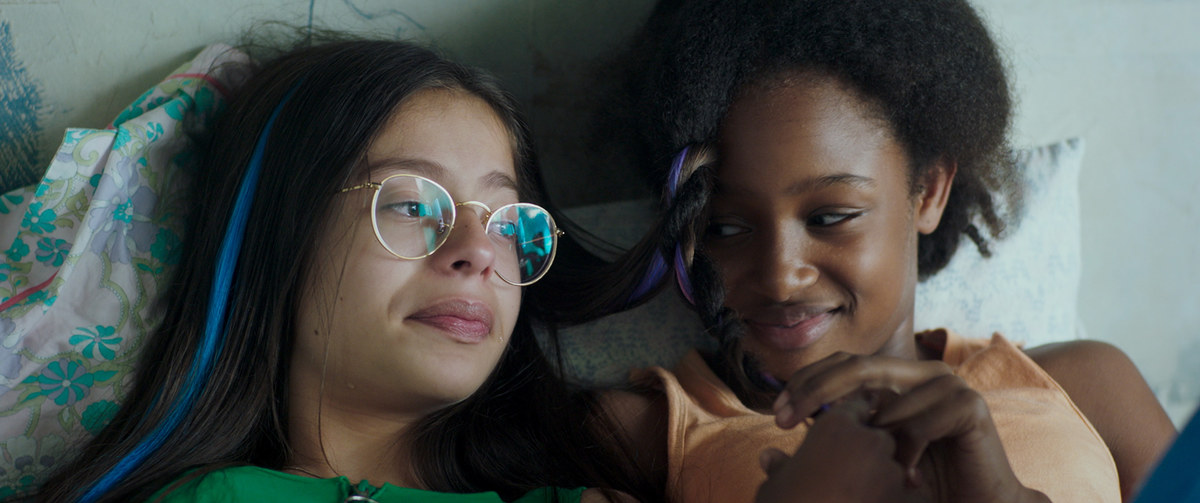
The film’s director assured Indiewire that a child therapist was involved in the filming process. Supplied
However sometimes, parents can be complicit. “In many ways parents unknowingly contribute to these kinds of exploitations, for instance buying a toddler heels or make up, and exposing them to television material that is congruent with their age,” Shaheen said. “In today’s hyper-sexualized world, parents should be hyper-vigilant about the material their children are exposed to. They should always make sure that toys, clothes, and media material should be age appropriate.”
Many people took to social media to express their outrage over the film, calling it “child pornography” and sparking the hashtag #CancelNetflix. A Change.org petition to boycott the service has over 600,000 virtual signatures at the time of writing.
On the other side of the spectrum, many people are defending the film, justifying its controversial material by suggesting that the director is simply exposing hyper-sexualization and exploitation of children.
While that may be true, the welfare of children comes before any kind of social commentary. One would hope that there are better ways to bring attention and awareness to the sexual exploitation of children, other than to sexually exploit children.


