

Saudi Arabia elected to UNESCO’s Intangible Cultural Heritage Committee

1 / 3
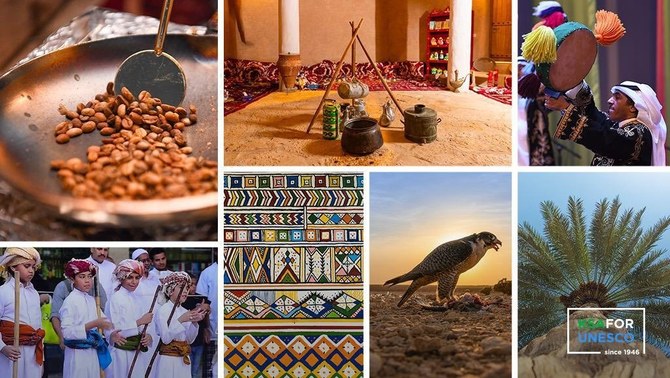
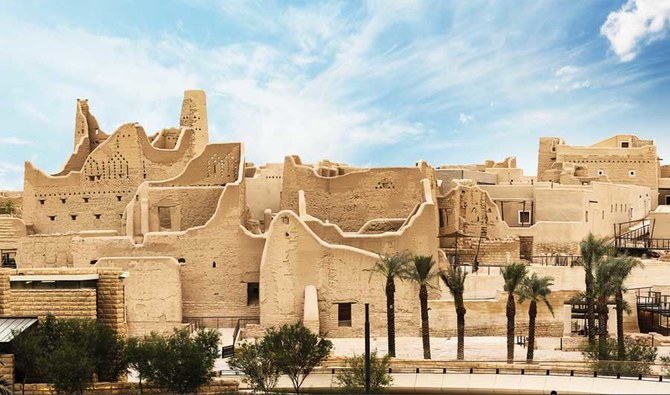
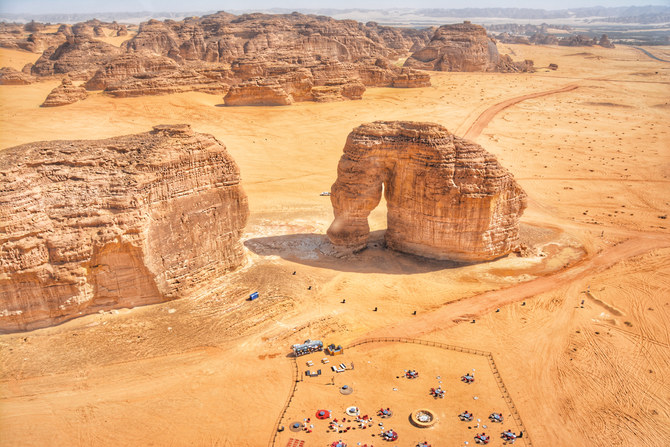
Saudi Arabia was elected Thursday as a member of the United Nations Educational, Scientific and Cultural Organization (UNESCO)’s Intangible Cultural Heritage Committee for the first time. (Supplied)
2 / 3
The election puts Saudi Arabia in a select group of countries which maintain membership of the three basic committees at UNESCO — the Executive Council, the World Heritage Committee, and the intangible cultural heritage committee. (Supplied/File Photo)
3 / 3
Saudi Arabia was elected Thursday as a member of the United Nations Educational, Scientific and Cultural Organization (UNESCO)’s Intangible Cultural Heritage Committee during a general assembly in Paris. (File Photo)
Short Url
Updated 10 September 2020
Follow

Saudi Arabia elected to UNESCO’s Intangible Cultural Heritage Committee

  • Kingdom now holds membership of all three of UNESCO’s basic committees

LONDON: Saudi Arabia was elected Thursday as a member of the United Nations Educational, Scientific and Cultural Organization (UNESCO)’s Intangible Cultural Heritage Committee for the first time, Saudi Press Agency (SPA) reported.

The Kingdom’s accession to the committee was confirmed during UNESCO’s eighth General Assembly in Paris, being held September 10-12.

The Saudi delegation in the French capital is headed by Princess Haifa bint Abdul Aziz Al-Muqrin, the Kingdom’s permanent representative to UNESCO.

The election puts Saudi Arabia in a select group of countries which maintain membership of the three basic committees at UNESCO — the Executive Council, the World Heritage Committee, and the intangible cultural heritage committee.

Prince Badr bin Abdullah bin Farhan, Minister of Culture and Chairman of the National Committee for Education, Science and Culture, congratulated the Kingdom’s leadership on the accession.

The prince said the election reflected the international community’s confidence in Saudi Arabia and its commitment to protecting local culture and heritage, SPA reported.

“The Kingdom possesses an enormous stock of intangible cultural heritage in various villages, cities and regions, and we will work in the Ministry of Culture through the Heritage Authority to preserve and develop this rich national heritage, and support practitioners of it in all their specialties,” he said.

The prince also said the decision confirmed the comprehensive renaissance of Saudi culture in light of the Kingdom’s Vision 2030 plans, and how it will have a positive impact on the local culture.

International cooperation through a reputable organization such as UNESCO would raise the level of local cultural management to international standards, in addition to what it will contribute to the development of areas of intangible cultural heritage in Saudi Arabia, he added.


KSrelief transfers Gaza girl to Jordan for cancer treatment

Updated 26 December 2025
Follow

KSrelief transfers Gaza girl to Jordan for cancer treatment

  • Roza Al-Dreimli in Jordan because Israel destroyed Gaza hospitals
  • Under assessment, monitoring at the King Hussein Cancer Center

AMMAN: A cancer-stricken Palestinian girl from Gaza is now undergoing clinical observation prior to treatment at a specialist hospital in Jordan, thanks to Saudi Arabia’s aid agency KSrelief.

Roza Al-Dreimli was transported to Amman from the Gaza Strip through the initiative of KSrelief, as a part of Saudi Arabia’s continued medical support for Palestinians, the Saudi Press Agency reported on Friday.

Al-Dreimli was prioritized because assessments indicated the need for advanced treatment of cancerous cells at the base of her brain. She is at the King Hussein Cancer Center, and being treated by a team of pediatricians.

She is currently undergoing “intensive clinical monitoring” to “ensure control of the condition, and prevent any potential neurological or visual complications resulting from the tumor’s location,” the SPA reported.

Al-Dreimli’s family expressed profound gratitude for KSrelief’s swift intervention, and hoped the specialized care would ensure a full recovery.

Such specialized care is currently unavailable in the Gaza Strip because of Israel’s alleged genocidal destruction of hospitals and killing of medical workers since Oct. 7, 2023.

Israel has systematically destroyed homes and commercial buildings and infrastructure in the Palestinian enclave, killing over 70,000 Palestinians, many of them unarmed men, women and children, and injuring more than 170,000.

Tel Aviv has stated that its actions were in retaliation to a raid by Hamas of Israeli border villages, during which the militant group reportedly killed more than 1,200 people and took 254 hostages.