Oil falls below $43 a barrel on coronavirus fears

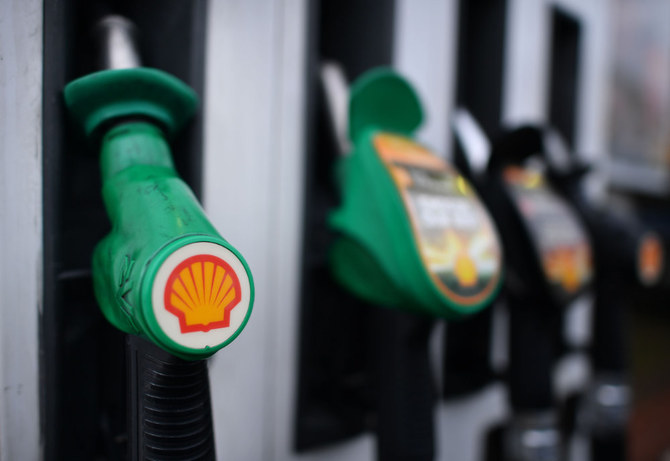
A resurgence of coronavirus cases worldwide has brought down oil prices to below $43 a barrel on Friday amid concern that fuel demand growth could stall. (AFP file photo)
Short Url
Updated 04 July 2020
Follow

Oil falls below $43 a barrel on coronavirus fears

  • Brent has more than doubled from a 21-year low below $16 reached in April

LONDON: Oil fell below $43 a barrel on Friday as a resurgence of coronavirus cases raised concern that fuel demand growth could stall, although crude was still headed for a weekly gain on lower supply and wider signs of economic recovery.

The US reported more than 55,000 new coronavirus cases on Thursday, a new daily global record for the pandemic. The rise in cases suggested US jobs growth, which jumped in June, could suffer a setback.

“If this trend continues, oil demand in the region is at risk,” said Louise Dickson of Rystad Energy.

Brent crude was down 56 cents, or 1.3 percent, at $42.58 a barrel in early afternoon trade in London and US West Texas Intermediate (WTI) crude fell 58 cents, or 1.4 percent, to $40.07.

“The fragile US economic rebound is at risk of being undone by the latest surge in new infections,” said Stephen Brennock of oil broker PVM.

Signs of economic recovery, and a drop in supply after a record supply cut by the Organization of the Petroleum Exporting Countries and allies, known as OPEC+, have helped Brent more than double from a 21-year low below $16 reached in April.

Boosting recovery hopes, a private survey showed on Friday that China’s services sector expanded at the fastest pace in over a decade in June.

OPEC oil production fell to its lowest in decades in June and Russian production has dropped to near its OPEC+ target.

The bankruptcy filing of US shale pioneer Chesapeake Energy also supported prices by raising expectations production will decline, JBC Energy said in a report.

Gasoline demand will be closely watched as the US heads into the July 4 holiday weekend. 


Saudi Arabia’s industrial output rises 10.4% in November: GASTAT 

Updated 11 January 2026
Follow

Saudi Arabia’s industrial output rises 10.4% in November: GASTAT 

RIYADH: Saudi Arabia’s industrial output rose at its fastest rate in months, climbing 10.4 percent year on year in November, supported by stronger manufacturing activity and higher oil production, official data showed. 

The Industrial Production Index increased to 114.4, up from 103.6 a year earlier, according to the General Authority for Statistics, though the index slipped 0.7 percent from October.

The latest figures highlight continued momentum in the Kingdom’s industrial sector as Saudi Arabia pursues economic diversification under its Vision 2030 agenda.

In its latest report, GASTAT stated: “Preliminary results indicate an increase of 10.4 percent in the IPI in November 2025 compared to the same month of the previous year, supported by the rise in mining and quarrying activity, manufacturing activity and water supply, sewerage and waste management and remediation activities.”  

The sub-index of mining and quarrying activity increased by 12.6 percent year on year in November, supported by Saudi Arabia’s decision to raise oil production to 10.1 million barrels per day, compared to 8.9 million bpd a year earlier. 

Manufacturing activity rose by 8.1 percent compared to November 2024, driven by a 14.5 percent increase in the production of coke and refined petroleum products. The manufacture of chemical products also recorded a 10.9 percent annual rise.

In contrast, the sub-index of electricity, gas, steam, and air conditioning supply declined by 4.3 percent year on year, while water supply, sewerage and waste management and remediation activities rose by 10.2 percent. 

On a month-on-month basis, the overall IPI fell by 0.7 percent in November. 

Mining and quarrying activity rose by 0.5 percent from October, while manufacturing activity edged up by 0.3 percent.

However, electricity, gas, steam, and air conditioning supply recorded a sharp monthly decline of 28.6 percent. Water supply, sewerage and waste management and remediation activities fell by 3.1 percent over the same period. 

Overall, the index of oil activities advanced by 12.9 percent year on year in November, while non-oil activities increased by 4.4 percent. 

Compared to October, oil activities rose by 0.4 percent, while non-oil activities declined by 3.4 percent. 

The IPI measures changes in industrial output based on the International Standard Industrial Classification framework and covers mining, manufacturing, utilities, and waste management sectors.