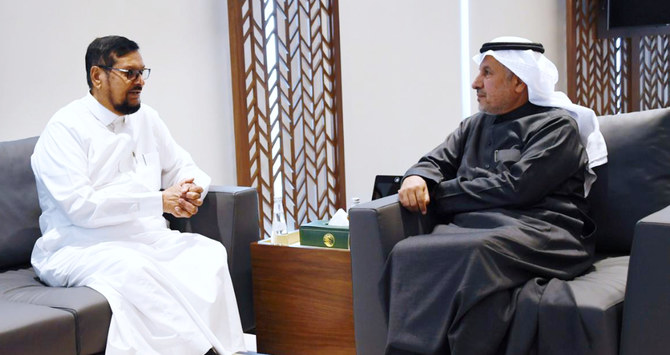
RIYADH: Mauritian Ambassador to Saudi Arabia Shaukat Ali Soudhan held talks with Dr. Abdullah Al-Rabeeah, supervisor general of the King Salman Humanitarian Aid and Relief Center (KSRelief).
They “held a virtual meeting, and the two sides discussed various ways to enhance bilateral cooperation,” KSRelief said in a statement.
“The two leaders also discussed mutual coordination to cope with the emerging situation because of the coronavirus disease (COVID-19) pandemic, as well as KSRelief’s work and program developments on various projects in Mauritius.”
They discussed joint humanitarian and relief efforts, and reviewed various KSRelief programs in Mauritius.
Soudhan praised KSRelief’s ongoing efforts to alleviate the suffering of people in crisis-affected countries worldwide, particularly in Mauritius.
He thanked Saudi Arabia for its assistance to his country’s people. The Kingdom is among the largest donors of humanitarian aid in the world.
In November 2019, Saudi Arabia confirmed that it had provided nearly $18 billion of humanitarian assistance to help refugees.
The Kingdom and Mauritius are developing closer ties. Soudhan in February said his country had benefited from a 400 percent increase in the number of Saudi tourists in the past two years following the opening of direct flights.


![]()

DiplomaticQuarter: Mauritius ambassador, Saudi aid agency chief discuss cooperation
Short Url
https://arab.news/nyas8
DiplomaticQuarter: Mauritius ambassador, Saudi aid agency chief discuss cooperation


Latest updates


© 2026 SAUDI RESEARCH & PUBLISHING COMPANY, All Rights Reserved And subject to Terms of Use Agreement.