GCC says attack on one is threat to all, asserts right to self-defense after Iran strikes

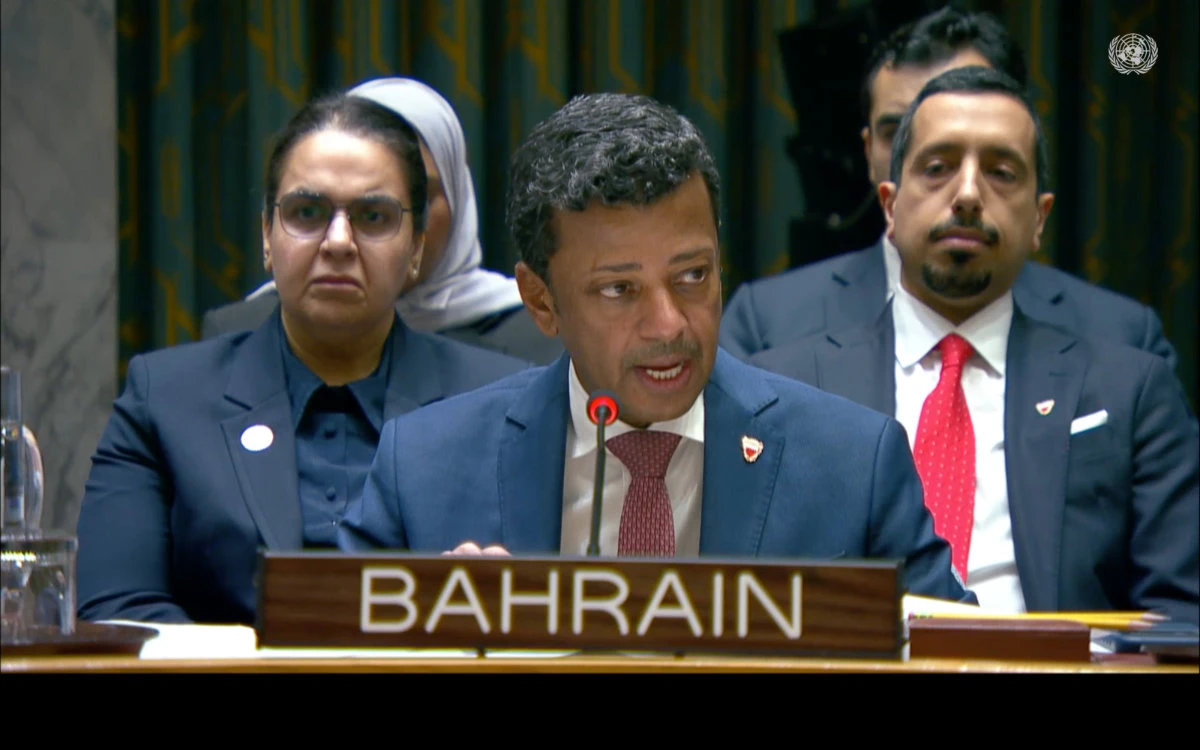
Bahrain’s UN Ambassador Jamal Fares Alrowaei. (UN photo)
Short Url
Updated 01 March 2026
Follow

GCC says attack on one is threat to all, asserts right to self-defense after Iran strikes


NEW YORK: Gulf Arab states, joined by Jordan and Syria, told the UN Security Council on Saturday that an attack on any one of them constitutes a threat to the security and stability of the entire region, as they condemned Iranian missile strikes on their territories.

Delivering a statement by the Gulf Cooperation Council — which comprises the UAE, Saudi Arabia, Oman, Qatar, Kuwait and Bahrain — as well as Jordan and Syria, Bahrain’s UN Ambassador Jamal Fares Alrowaei said: “These attacks are a blatant violation of our sovereignty and territorial integrity, and they threaten the security and stability of the entire region.”

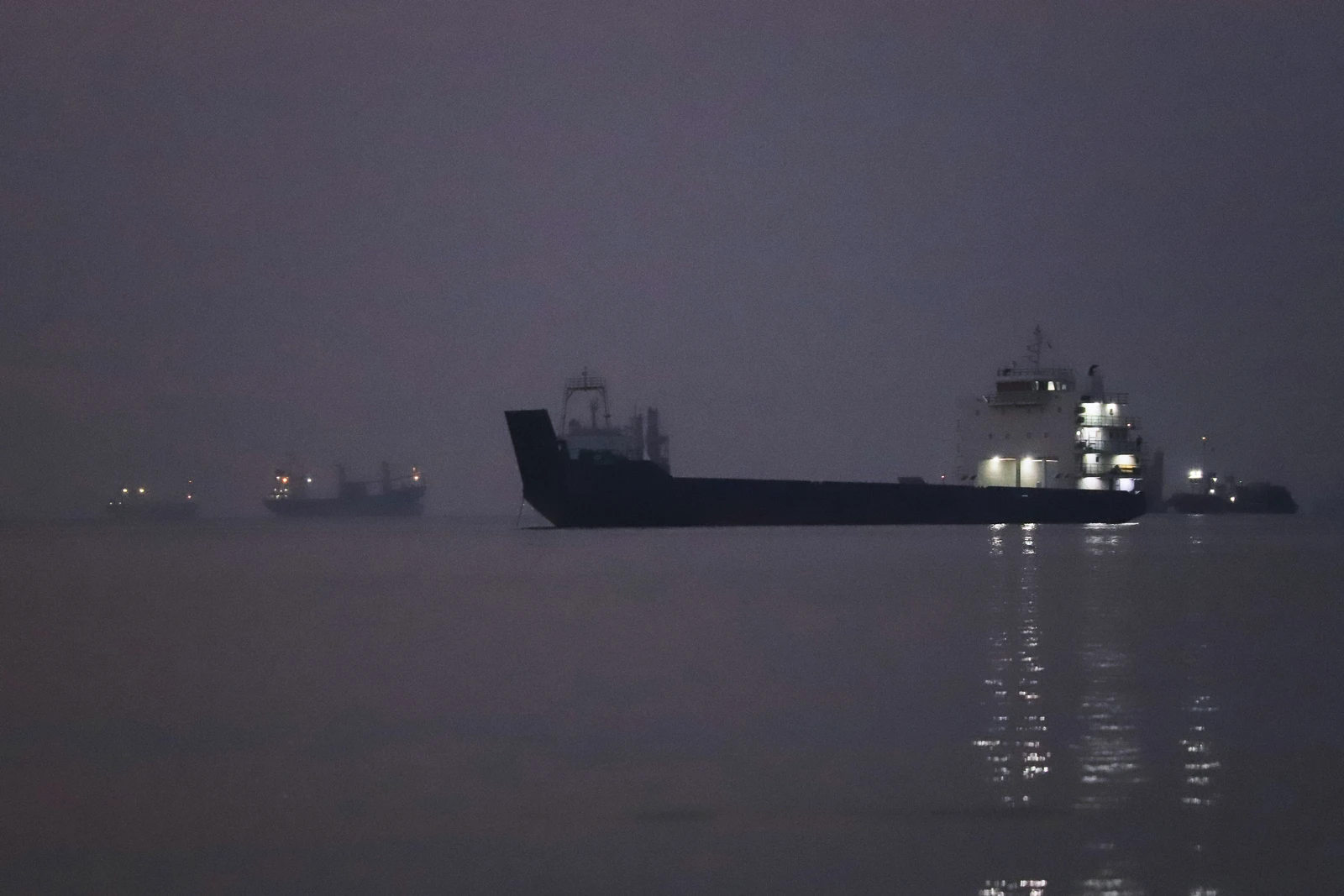
He added that the strikes had caused injuries to civilians, killed at least one person, damaged infrastructure, disrupted air travel and threatened maritime navigation through the Strait of Hormuz.

He held Iran fully responsible, saying: “There is no excuse for these cowardly acts, and they cannot be justified under international law or the UN Charter.”

Alrowaei emphasized that the targeted countries reserve their right to self-defense under the UN Charter, and to respond proportionally to protect their territories, populations and national interests.

He also warned against using regional territories as a stage to escalate the conflict, noting prior efforts by Gulf states, Jordan and others to facilitate dialogue with Iran.

Alrowaie urged the UNSC to take a firm stance condemning the attacks and preventing their recurrence, calling for urgent action to contain the crisis and safeguard regional and international peace and security.



Lebanese man flees hometown, months after repairing home damaged in last war

Updated 3 sec ago
Follow

Lebanese man flees hometown, months after repairing home damaged in last war

  • Lebanese man rebuilt home four times but fled new war
  • Many in Lebanon ‌were still recovering from 2024 conflict
HAZMIEH: Just days ago, Hussain Khrais was proudly showing off his newly restored home in south Lebanon, fixed up after ​being badly damaged in 2024 clashes between Israel and Hezbollah. But a new war has since erupted and his home is in the line of fire again.
Khrais fled his hometown of Khiyam, about five km (three miles) from the border with Israel, as Israel pounded Lebanon with heavy airstrikes last week in retaliation for Iran-backed group Hezbollah’s rocket and drone fire into Israel.
“Is the house I worked so hard to build, or the business I started, still there? Or is it all gone?” Khrais told Reuters from a relative’s home near the capital Beirut where he and his family are now staying.
“The feeling is ‌very, very upsetting, ‌because we still don’t know if we’ll go back or not.”
’WHAT ​KIND ‌OF ⁠LIFE IS ​THAT?’
It ⁠wasn’t Khrais’ first time — or even his second. The 66-year-old has been displaced at least four times in the last four decades by Israeli incursions and airstrikes, each time returning to a town in ruins and rebuilding patiently.
Last year, he spent months and around $25,000 repairing the damage from the last war between Hezbollah and Israel, which ended 15 months ago. Hezbollah started firing at Israel after the United States and Israel launched airstrikes against Iran on February 28.
“It really bothers me to think this is the life I’ve lived,” Khrais told Reuters. “Once ⁠again, displacement, return, rebuilding, restoration — then again displacement, return, rebuilding. What kind of life ‌is that?“
With no support from the Lebanese state and ‌little coming from Hezbollah’s social welfare program, most Lebanese whose homes were ​damaged or destroyed in the 2024 war have ‌used their own private funds to rebuild.
Reconstruction has placed a huge burden on affected Lebanese families, still ‌struggling to access their savings in commercial banks after a financial collapse in 2019.
Two weeks ago, Khrais had told Reuters he was scared that a new war would start. “I’m at an age where I can’t start all over again. That’s it,” he said.
’WORTH THE WORLD’S TREASURES’
The new war has dealt Lebanese another blow. About 300,000 people have ‌been displaced over the last week by Israel’s strikes and by the Israeli military’s evacuation orders, which encompass around 8 percent of Lebanese territory.
Khrais is staying ⁠with around 20 other ⁠displaced relatives, some displaced from Khiyam and others from Beirut’s southern suburbs, which have been hit hard by Israeli strikes.
He is glued to the television, where news bulletins have reported on Israeli troops and tanks pushing deeper into his hometown.
“I’ve been in Beirut for four days now, and these four days feel like 400 years,” Khrais said.
He misses his house dearly.
“Maybe the thing I’m most attached to, is when I open the door to my children’s bedrooms and see the pictures of their children hanging on the walls,” he said.
“That sight is worth the world’s treasures — to see my grandchildren’s pictures in Khiyam.”
Khrais has no news on the state of his home. He said he remains hopeful but that if it has been destroyed, he’ll still do what he’s always done.
“The big shock would be if I ​came back and didn’t find it. But my ​feeling says no, God willing, it will remain. And like I said, even if we don’t find the house, we’ll go back and rebuild,” he said.